Scientists Find the Molecular 'Identity Switch' That Lets Colon Cancer Turn Deadly and Spread
When levels of a gene-regulating factor called GATA6 fall, colorectal cancer cells revert to a primitive, fetal-like state that can invade the bloodstream and seed tumors in the liver, a Weill Cornell and MIT study finds.
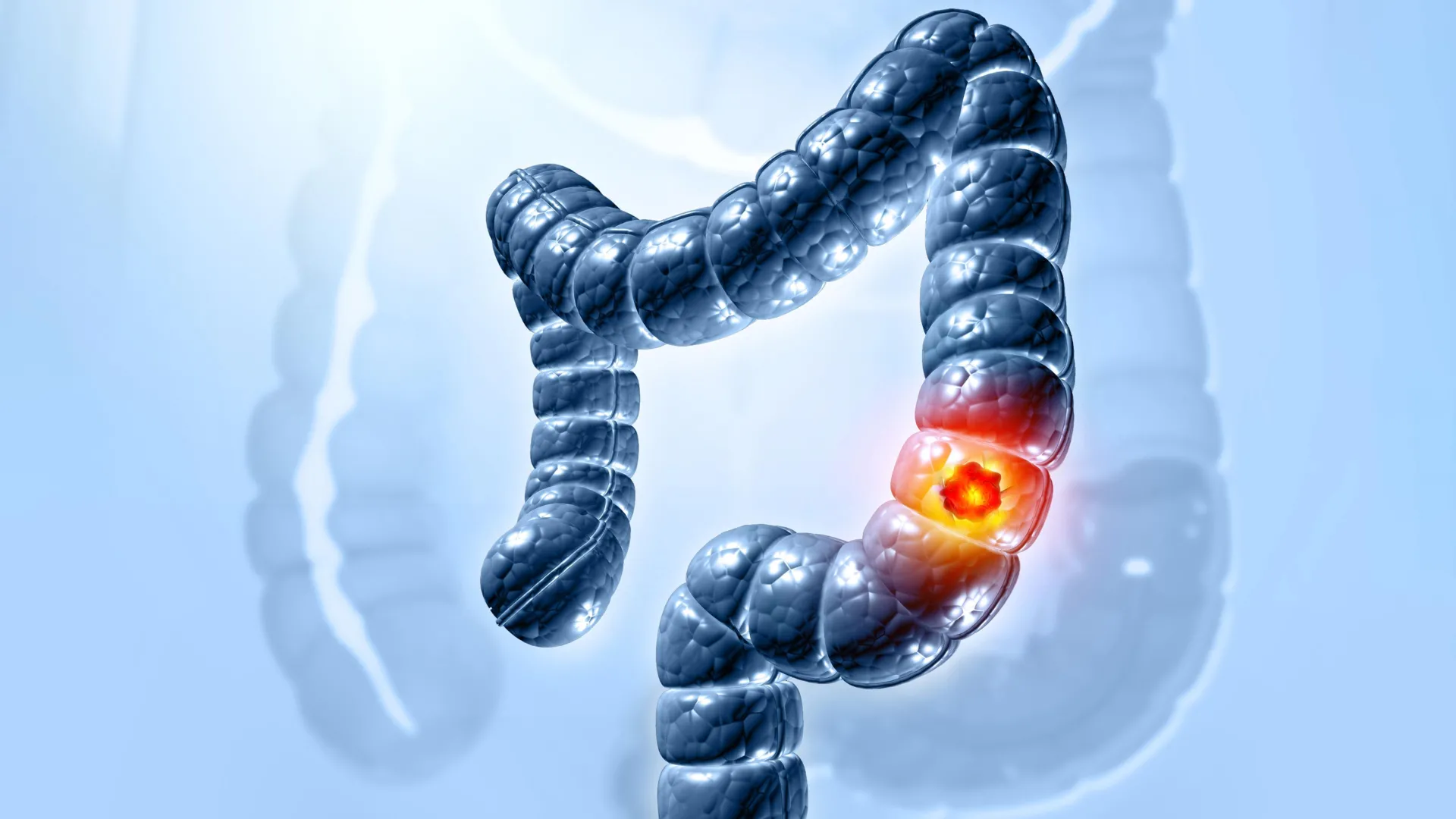
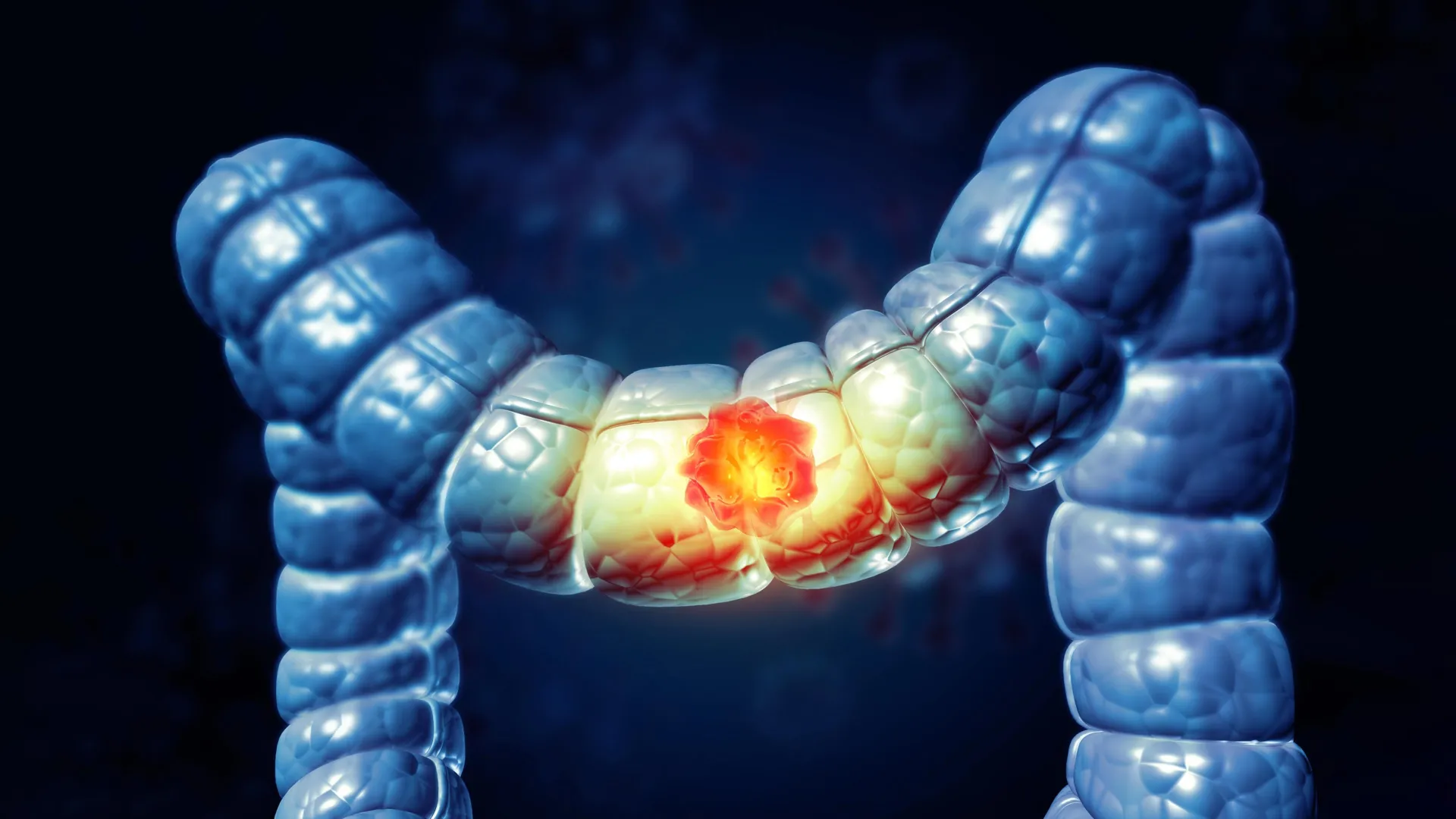
Colorectal cancer becomes far more dangerous once it spreads beyond the colon, and researchers have long struggled to explain what flips a contained tumor into a lethal, metastatic one. Now scientists at Weill Cornell Medicine and the Massachusetts Institute of Technology say they have identified a molecular switch that appears to govern that deadly transition — a discovery that could open new avenues for stopping the disease before it reaches the liver.
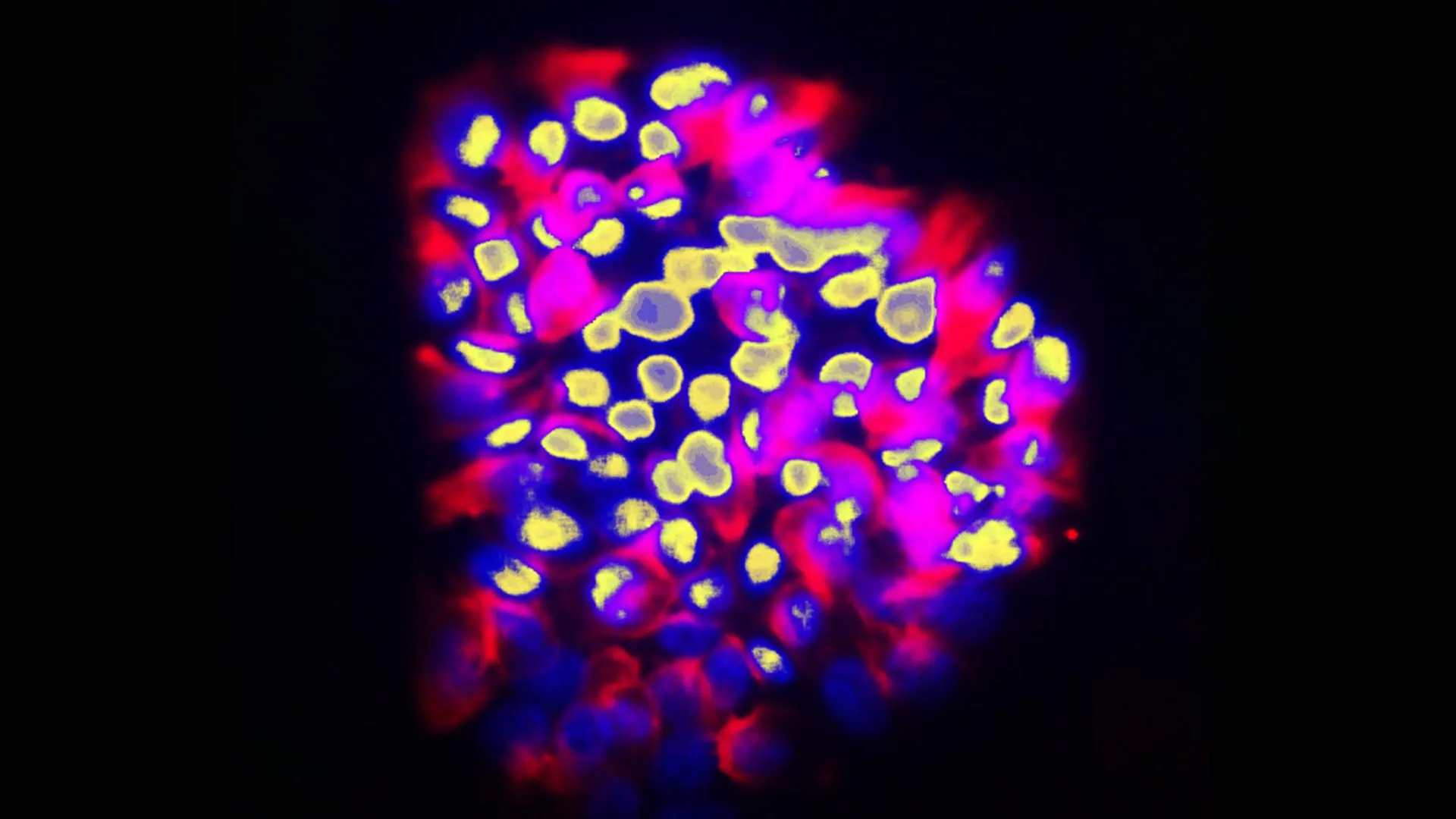
At the center of the finding is GATA6, a transcription factor — a protein that controls which genes are turned on or off — that normally acts as an "identity keeper" in the cells lining the intestine, helping them hold onto their specialized functions. When GATA6 levels decline, the researchers found, cancer cells lose their normal identity and revert to a more primitive, highly adaptable, fetal-like state. In that reprogrammed condition, the cells become capable of slipping into the bloodstream, surviving the journey, and establishing new tumors in distant organs, most notably the liver.
Crucially, the team reported that this transformation is driven primarily by changes in how genes are switched on and off — the field of epigenetics — rather than by new genetic mutations in the cancer's DNA. That distinction matters, because it suggests the deadly change is a matter of altered gene regulation that might, in principle, be reversed or blocked, rather than a permanent rewrite of the genome that is far harder to undo.
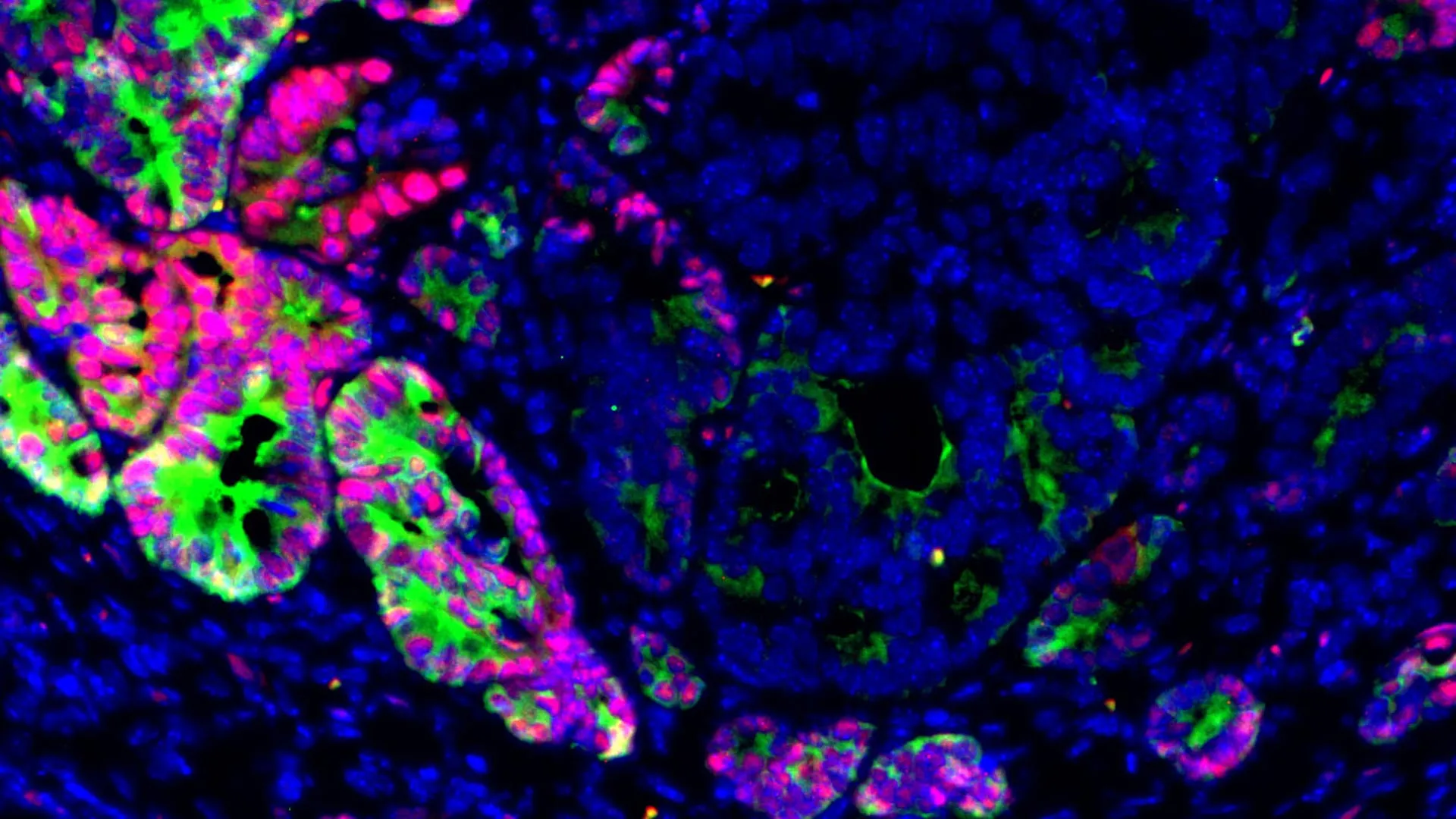
The evidence pointing to GATA6 was consistent across species and settings. The researchers found that GATA6 levels were markedly lower in liver metastases in both mice and human patients with colorectal cancer, and that reduced GATA6 expression tracked with poorer outcomes for those patients. Together, the data cast the loss of GATA6 not as a bystander but as a driver of the cell's dangerous shift toward metastasis.
Colorectal cancer is among the most common and deadliest cancers worldwide, and the liver is its most frequent site of spread — the point at which treatment options narrow and survival odds fall sharply. By exposing the regulatory machinery behind that spread, the study offers researchers a concrete target: therapies that preserve or restore GATA6 activity, or that otherwise keep cancer cells from reverting to their primitive state, could one day blunt the disease's most lethal step. The authors caution that translating the insight into treatments will take years of further work.
The study fits a growing body of research suggesting that cancer's deadliest behaviors are often powered by cells hijacking developmental programs normally reserved for the embryo, reawakening a flexibility that healthy adult tissue has switched off. GATA6 now joins a short list of regulatory factors that appear to guard against that reversion, and its loss offers a potential biomarker that clinicians could one day use to flag which tumors are most likely to spread. Because epigenetic changes are, at least in principle, reversible with drugs, the finding raises the tantalizing prospect of coaxing dangerous cells back toward their settled identity rather than merely trying to kill them. For the millions diagnosed with colorectal cancer each year, understanding the switch that turns a treatable tumor into a lethal one is a crucial step toward heading it off.