Earth May Have Been Seeding Venus's Clouds With Living Microbes for a Billion Years
A new modeling study finds that asteroid impacts could blast Earth microbes into space, potentially delivering about 100 viable cells a year — up to 20 billion over a billion years — into the Venusian atmosphere.
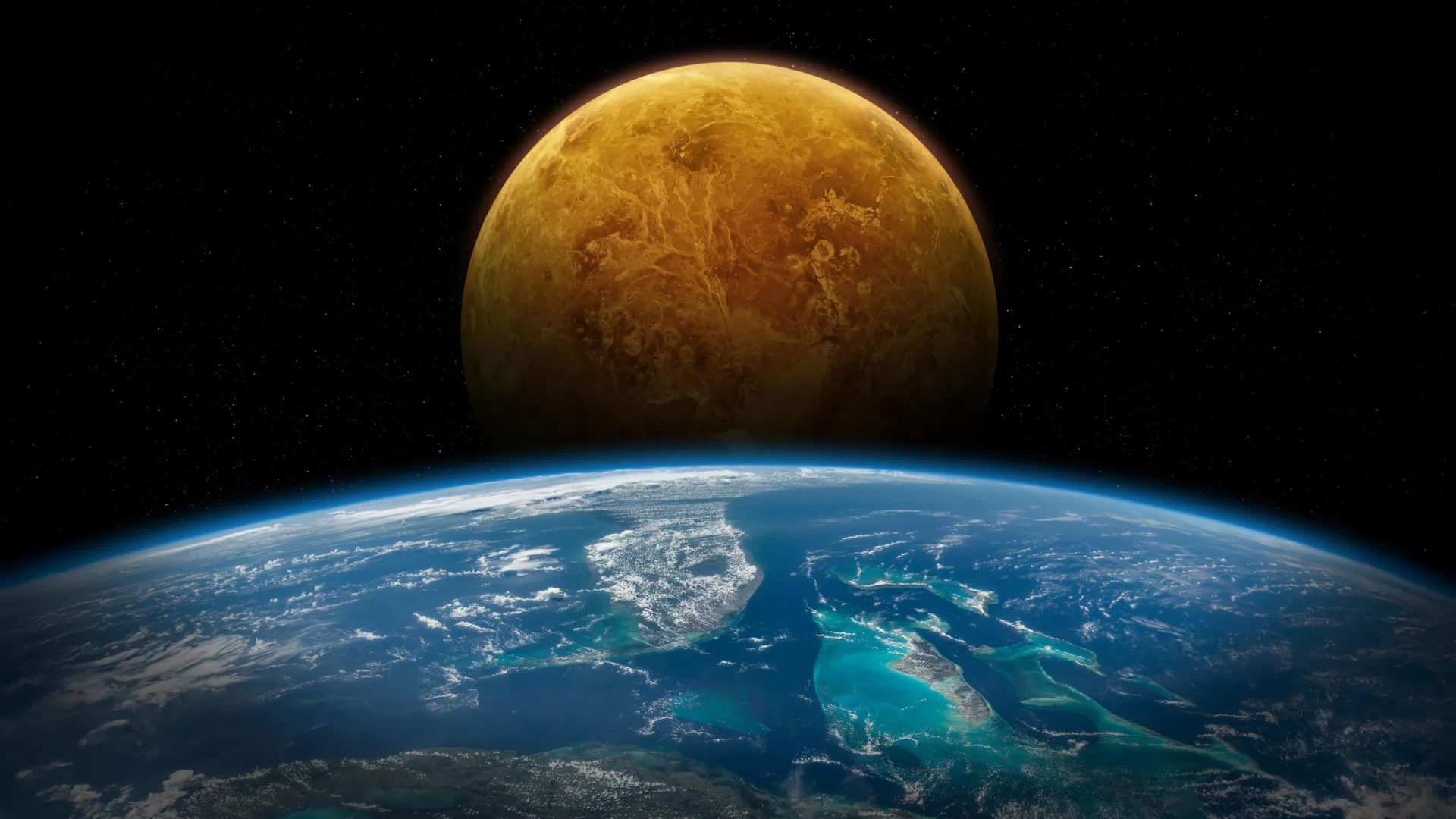
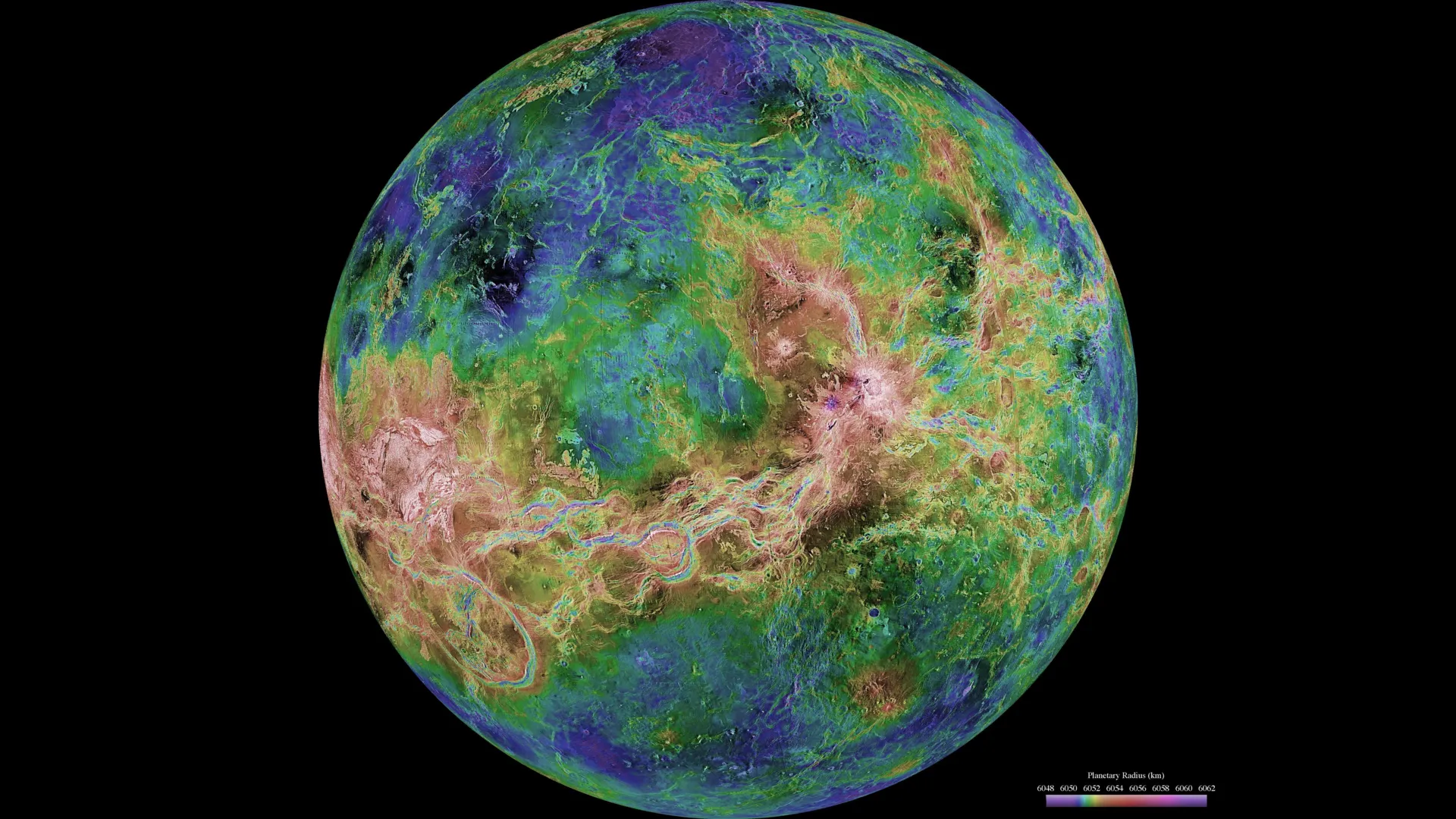
If life ever turns up floating in the clouds of Venus, there is a provocative possibility researchers say cannot be ruled out: it may have come from Earth. A new modeling study suggests our planet has been quietly seeding its scorched neighbor with living microbes for more than a billion years.
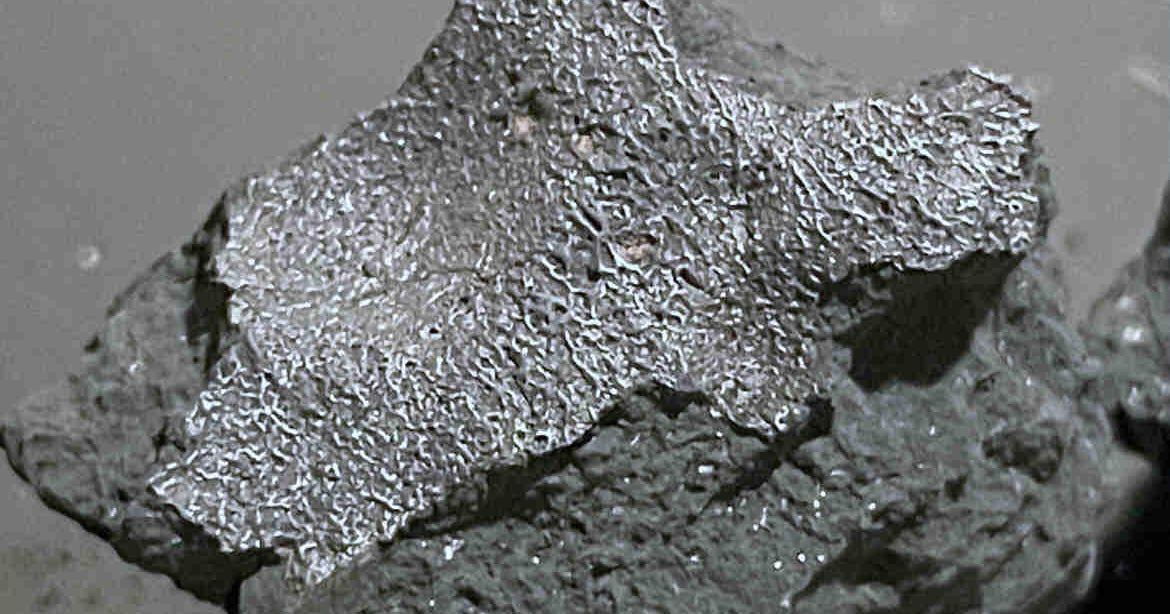
The work, presented by scientists from the Johns Hopkins University Applied Physics Laboratory and Sandia National Laboratories, rests on the long-debated theory of panspermia — the idea that life, or the chemical ingredients for it, can travel between worlds aboard asteroids and comets. When a large asteroid slams into Earth, the impact can fling rock and soil, along with any hardy microorganisms riding inside, off the planet entirely and into interplanetary space.
The team's calculations indicate that some of that ejected material would inevitably drift toward Venus, and that a fraction of the microbes aboard could survive the journey. Their modeling suggests Earth could deliver roughly 100 viable microbial cells to the Venusian atmosphere each year — an amount that adds up to as many as 20 billion cells over the course of a billion years. Crucially, the cells would not need to reach the broiling surface, where temperatures hot enough to melt lead would destroy them, but could instead remain suspended in the planet's comparatively temperate cloud layers.
To gauge the odds that any such transplanted life could persist, the researchers leaned on the Venus Life Equation, a framework introduced in 2021 that combines factors such as the origin of life, its resilience and the continuity of habitable conditions to estimate the likelihood of biology on a given world. The equation does not prove anything lives on Venus, but it provides a structured way to weigh whether Earthly stowaways could endure once they arrive.
The findings carry a sharp caveat for the search for life beyond Earth. Several missions and ground-based observations have hunted for chemical hints of biology in Venus's clouds, and any future detection would be hailed as a landmark. But if Earth has been showering its neighbor with microbes for eons, scientists may face a thorny problem distinguishing genuinely alien life from terrestrial hitchhikers — a contamination question that could complicate one of astrobiology's most tantalizing quests.