Repurposed Drug Frees Trapped Immune Cells to Attack a Rare Liver Cancer
University of Washington scientists found that fibrolamellar carcinoma hides from immunotherapy by sequestering T cells in fibrous tissue — and that the FDA-approved drug AMD3100 lets them back in to kill the tumor.
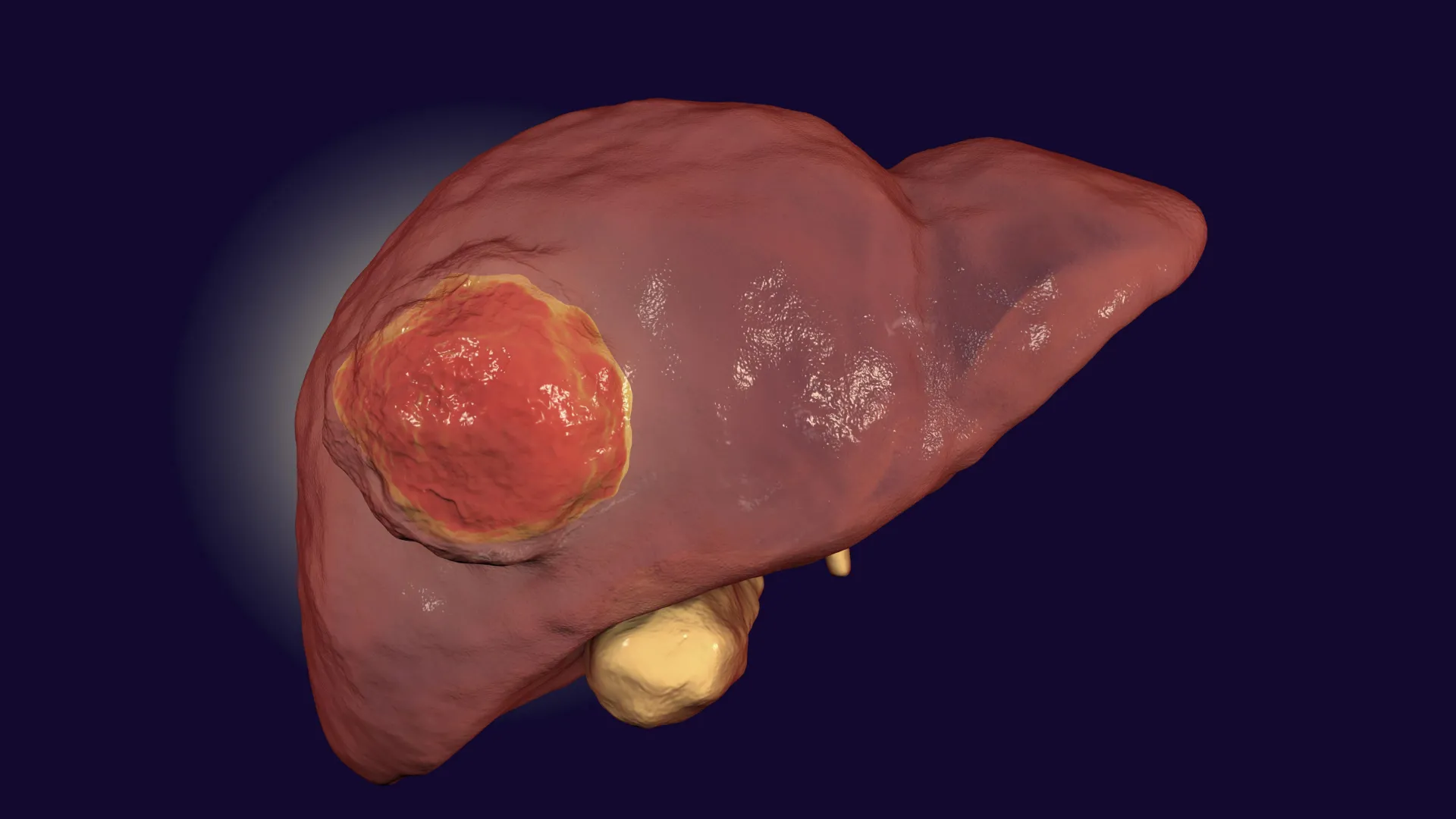
Scientists have figured out how a rare and stubborn liver cancer slips past the immune system, and they say an already-approved drug may be able to undo the trick — a finding that could open a new line of attack against a disease that strikes children and young adults.
The cancer, fibrolamellar carcinoma, has long frustrated doctors because it shrugs off immunotherapy, the class of treatments that has transformed care for many other tumors by unleashing the body's own immune cells. Researchers at the University of Washington discovered why: the tumors rewire their local surroundings to lure immune T cells away from the cancer and trap them in nearby fibrous tissue, leaving the malignant cells largely undisturbed.
In effect, the immune system's foot soldiers are recruited to the battlefield but then corralled behind a wall, unable to reach their target. That sequestration helps explain why checkpoint-inhibiting drugs, which work by releasing the brakes on T cells, have so often failed against this particular cancer — there are simply too few T cells in contact with the tumor for the drugs to matter.
The team found that an FDA-approved drug called AMD3100 could break the blockade, freeing the trapped T cells to migrate back toward the cancer and attack it. When the researchers combined AMD3100 with immune checkpoint inhibition in tumor samples, the effect was stronger still, further activating the T cells and producing a significant increase in cancer cell death. The dual approach, described in the journal Gastroenterology, suggests a one-two punch that first liberates the immune cells and then sharpens their assault.
Because AMD3100 is already cleared for use in patients, the researchers say the path from laboratory bench to clinical trial could be unusually short, sparing years of development that a brand-new compound would require. Fibrolamellar carcinoma is rare, and treatment options have been limited, so a strategy that repurposes an existing drug to make immunotherapy finally work would mark a meaningful step for the young patients who bear the brunt of the disease.