Cambridge Simulations Find Comets Rarely Delivered Life's Ingredients to Early Earth
A study of 100,000 simulated impacts suggests the fragile chemistry in comets usually did not survive arrival, challenging a popular theory of life's origin.
Topic
16 stories from Planck Standard. Latest: November 11, 2026.

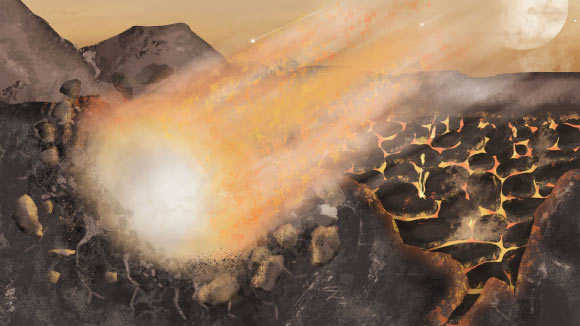
A study of 100,000 simulated impacts suggests the fragile chemistry in comets usually did not survive arrival, challenging a popular theory of life's origin.

Comets arrive too fast and at too sharp an angle for fragile organic molecules to survive impact, making delivery at best a 'one-off fluke,' researchers report.

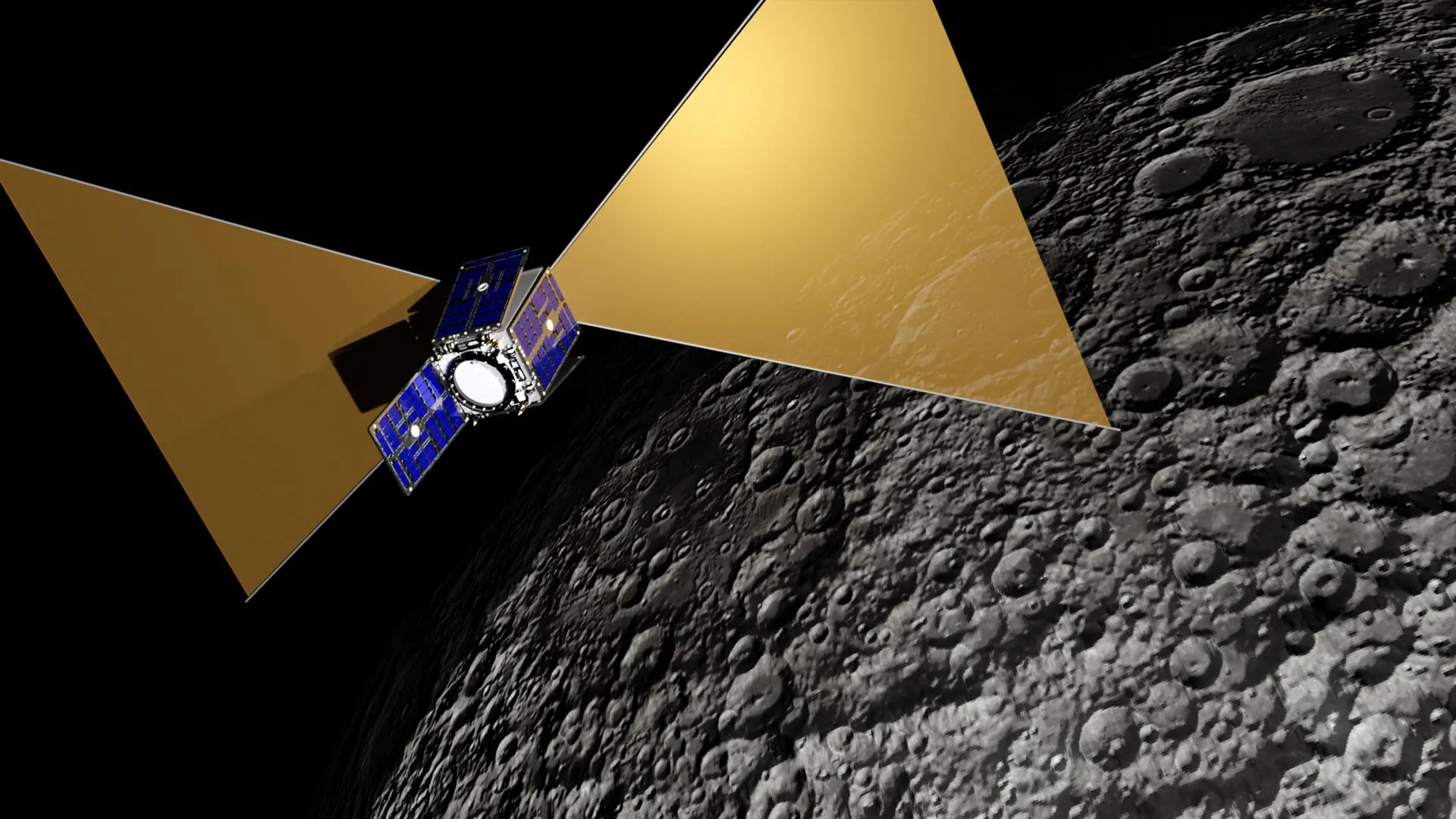
Cambridge-led researchers plan a lunar orbiter to catch a faint hydrogen radio signal from before the first stars, a window Earth's radio noise blocks.

The technique deliberately fractures the bonds between neighboring quantum dots along a pattern, then lifts the pieces onto a display backplane — producing a full-color, cadmium-free 4-inch screen.
Local winners keep their seats, national seat share matches national vote share, the legislature stays a fixed size. Once enough parties exist, you can have any two.

Cambridge scientists find the planets circling our closest single-star neighbor are smaller than Earth, larger than Mars, laced with a rare deep-mantle mineral, and locked so close to their star that any atmosphere would be stripped away.

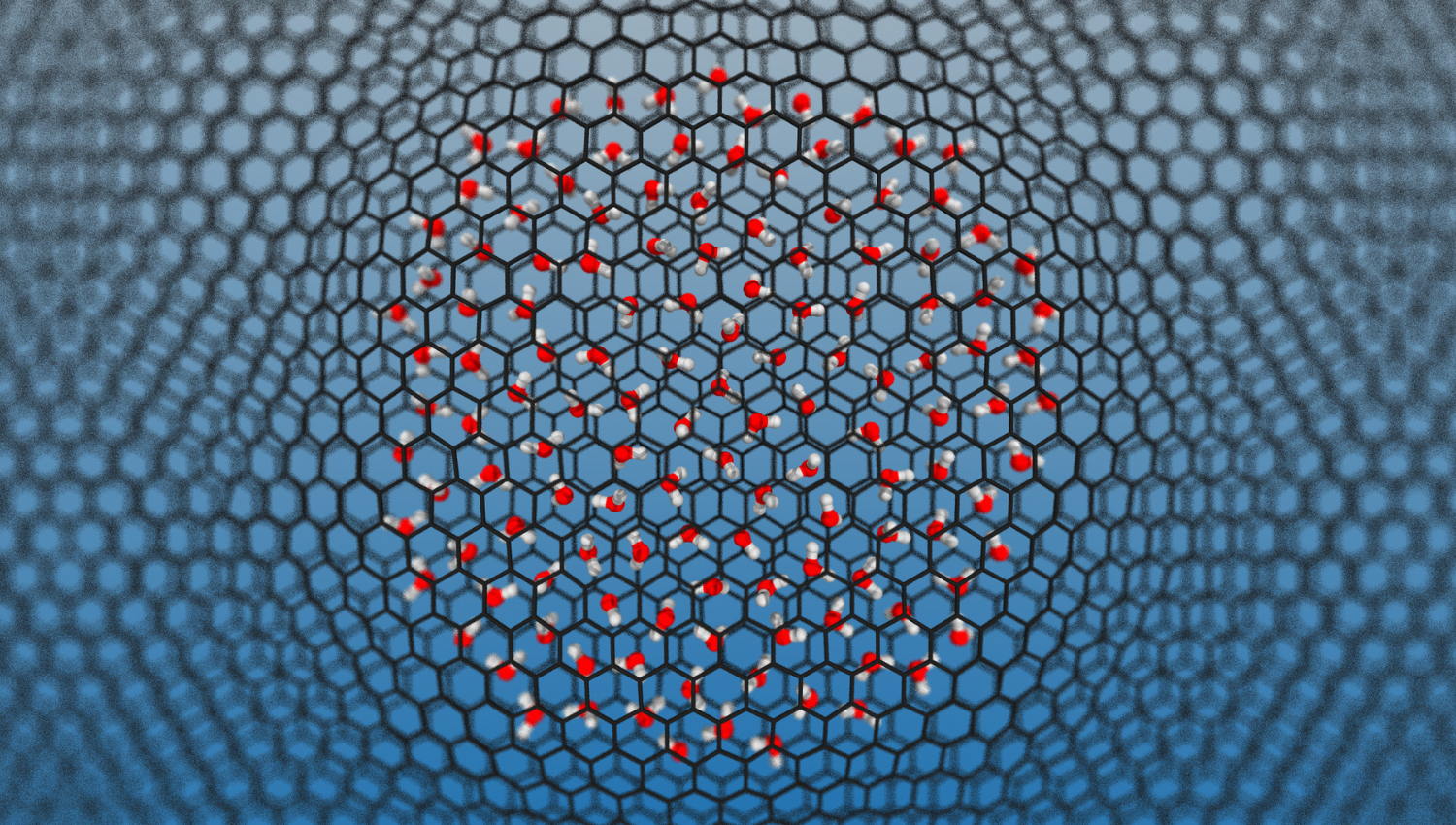
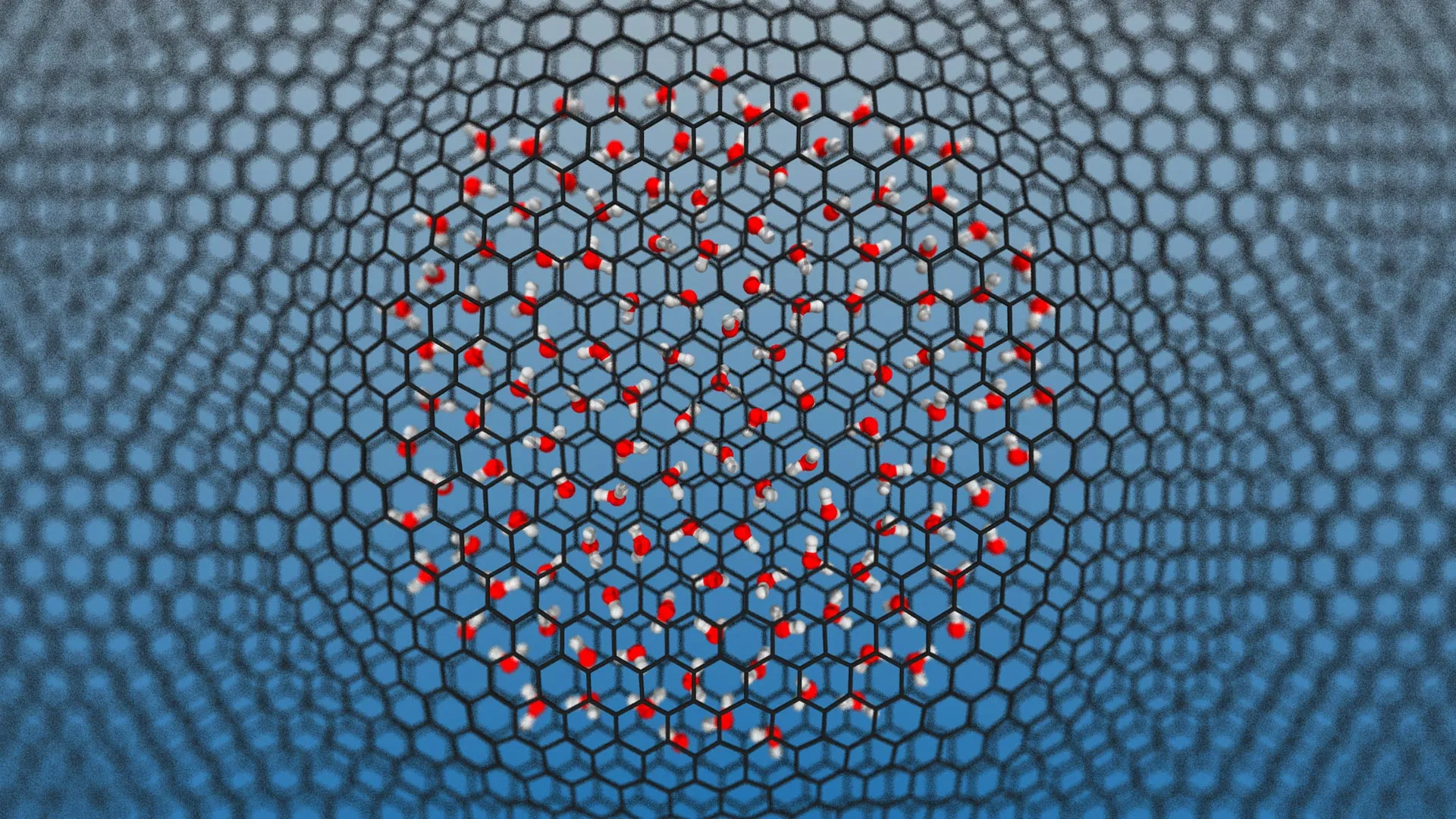
Cambridge physicists used quantum-accurate simulations to show that water squeezed into nanoscale gaps isn't inherently more reactive; crushing internal pressures explain the effect that has baffled labs for a decade.

Cambridge-led researchers find that confined water isn't inherently more reactive — crushing internal pressure and the chemistry of the surrounding surface explain the long-mysterious effect.

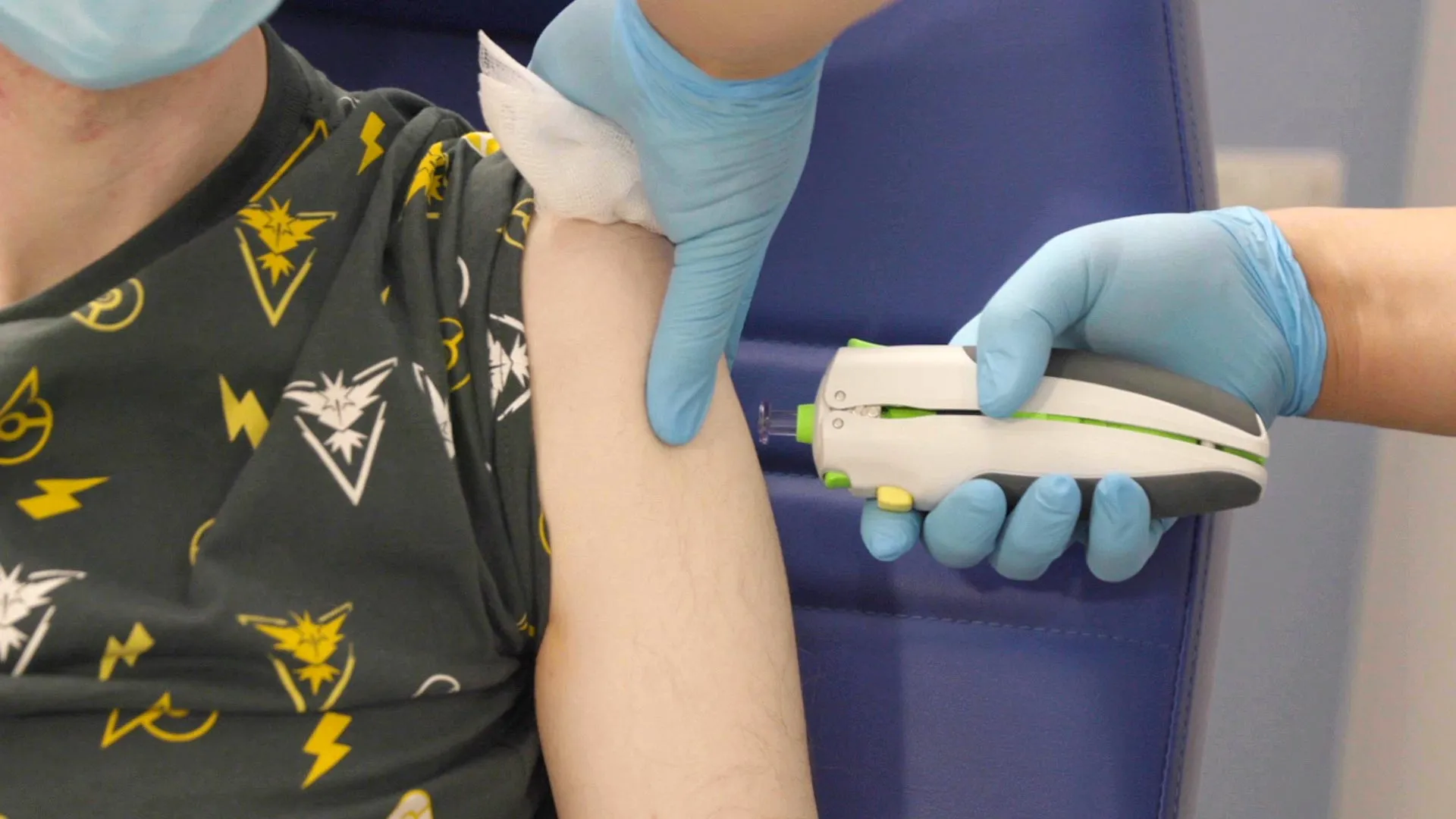
Cambridge researchers and spin-out DIOSynVax report that a vaccine whose key component was designed entirely by machine learning was safe in 39 volunteers and triggered immunity against SARS-CoV-2, SARS-CoV-1 and bat coronaviruses.

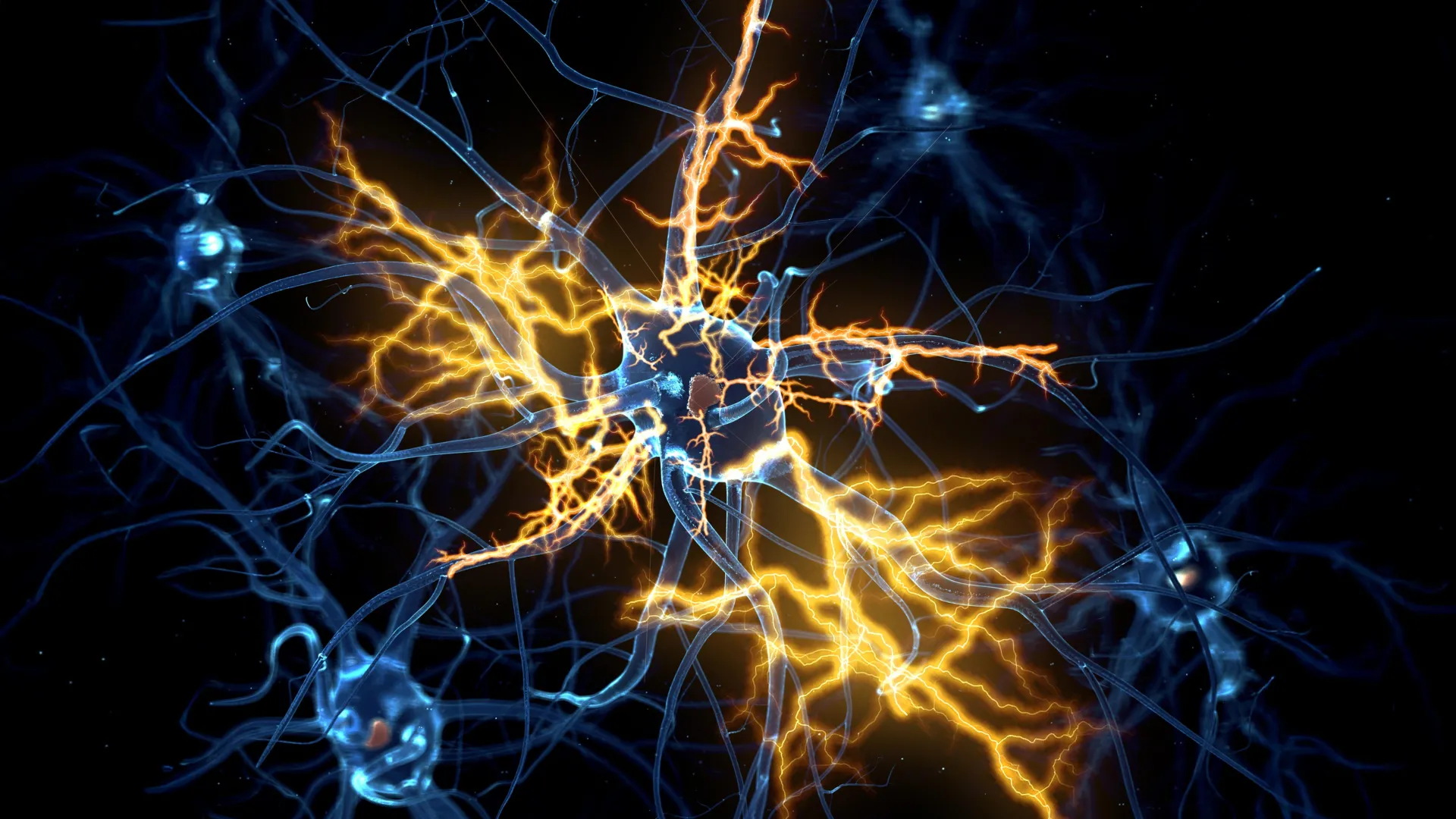
Cambridge scientists grew a miniature human nervous-system circuit that twitched real muscle, then discovered that neurons lose their power to regrow around mid-pregnancy. An existing hormone drug dramatically restored that ability.

By switching off a genetic brake on nerve growth — and repurposing a decades-old hormone drug — University of Cambridge researchers coaxed damaged human neurons to regenerate, raising hopes for spinal injury, MS and motor neurone disease.

Cambridge researchers achieve breakthrough by electrically powering materials that cannot conduct electricity, opening door to ultra-pure medical imaging devices.

A new hafnium oxide device behaves like a synapse, switching at currents one million times lower than today's silicon — and could ease the AI industry's looming power crisis.

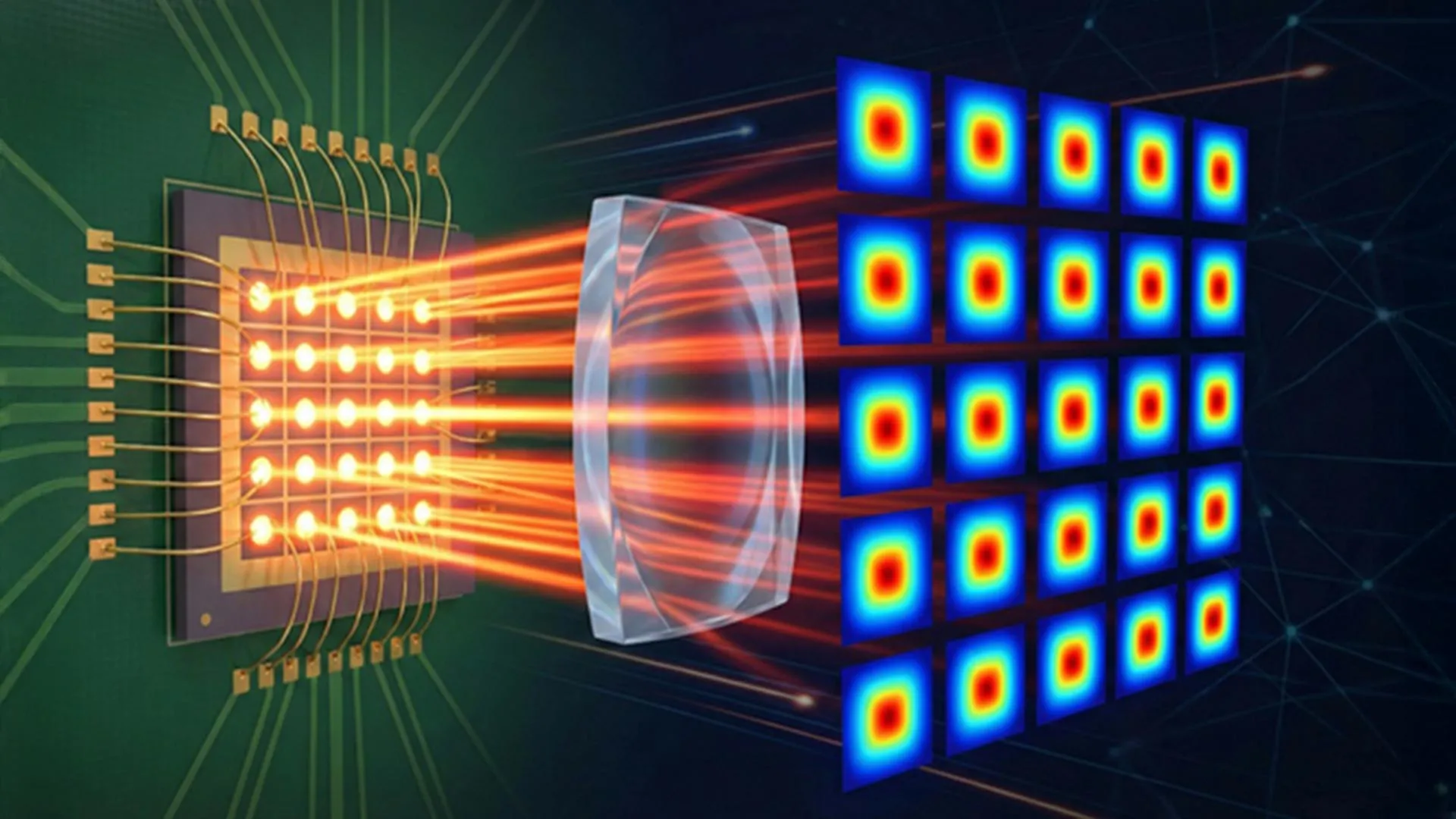
A 25-laser array using structured infrared beams achieved the highest recorded speed for a chip-scale optical wireless transmitter, pointing toward a light-based alternative to crowded radio spectrum.

A penny-sized array of 25 infrared lasers transmitted data 4,500 times faster than Wi-Fi 6 in lab tests, using light instead of radio waves in a breakthrough that could transform office, hospital, and factory connectivity.

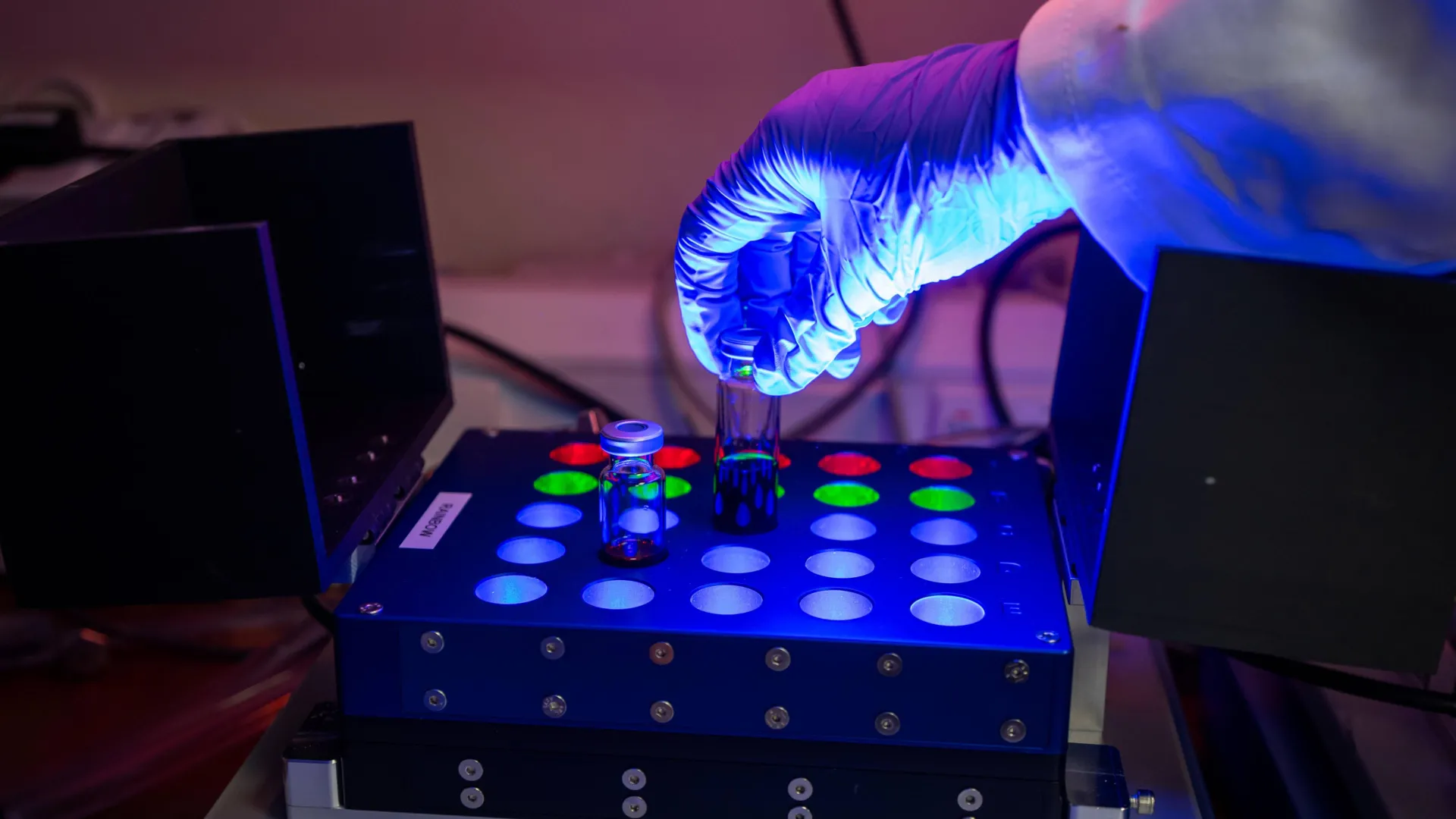
When a PhD student forgot to add a catalyst to his reaction, it worked better without it — leading to an 'anti-Friedel-Crafts' reaction published in Nature Synthesis that lets chemists fine-tune drug molecules at any stage of development using nothing more than an LED lamp.