World-First AI-Designed 'Universal' Coronavirus Vaccine Passes Its First Human Trial
Cambridge researchers and spin-out DIOSynVax report that a vaccine whose key component was designed entirely by machine learning was safe in 39 volunteers and triggered immunity against SARS-CoV-2, SARS-CoV-1 and bat coronaviruses.
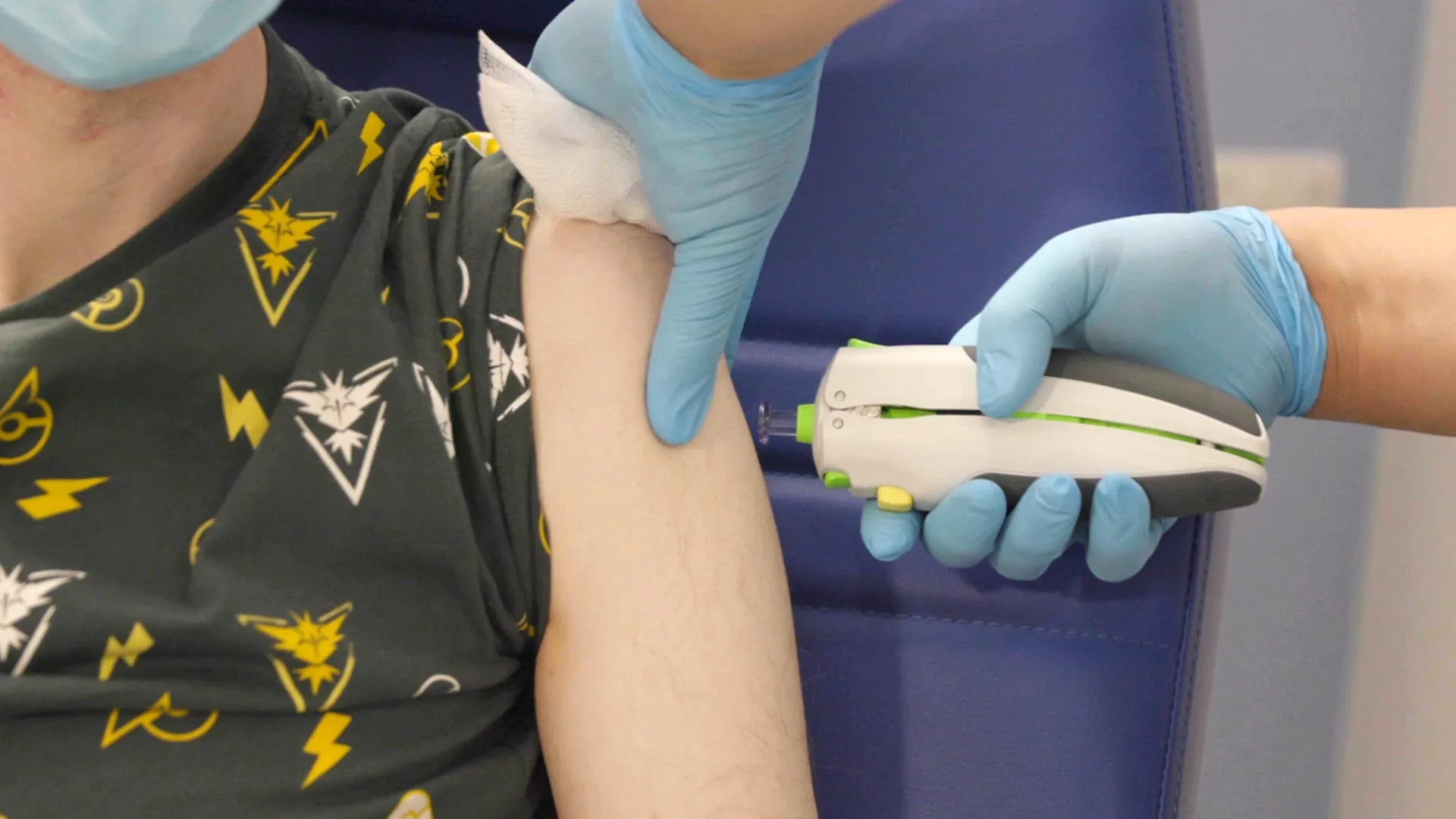
Scientists at the University of Cambridge say they have completed the world's first human clinical trial of a vaccine whose key component was designed entirely by artificial intelligence — a milestone that could reshape how the world prepares for the next pandemic.
The findings, published June 5 in the Journal of Infection, describe a Phase I trial of a "universal" coronavirus vaccine candidate developed by Cambridge and its spin-out company, DIOSynVax. The vaccine, known as pEVAC-PS, is designed to protect against Sarbecoviruses — the broad family of coronaviruses that includes SARS-CoV-2, the virus behind the COVID-19 pandemic, as well as SARS-CoV-1 and related viruses circulating in bats.
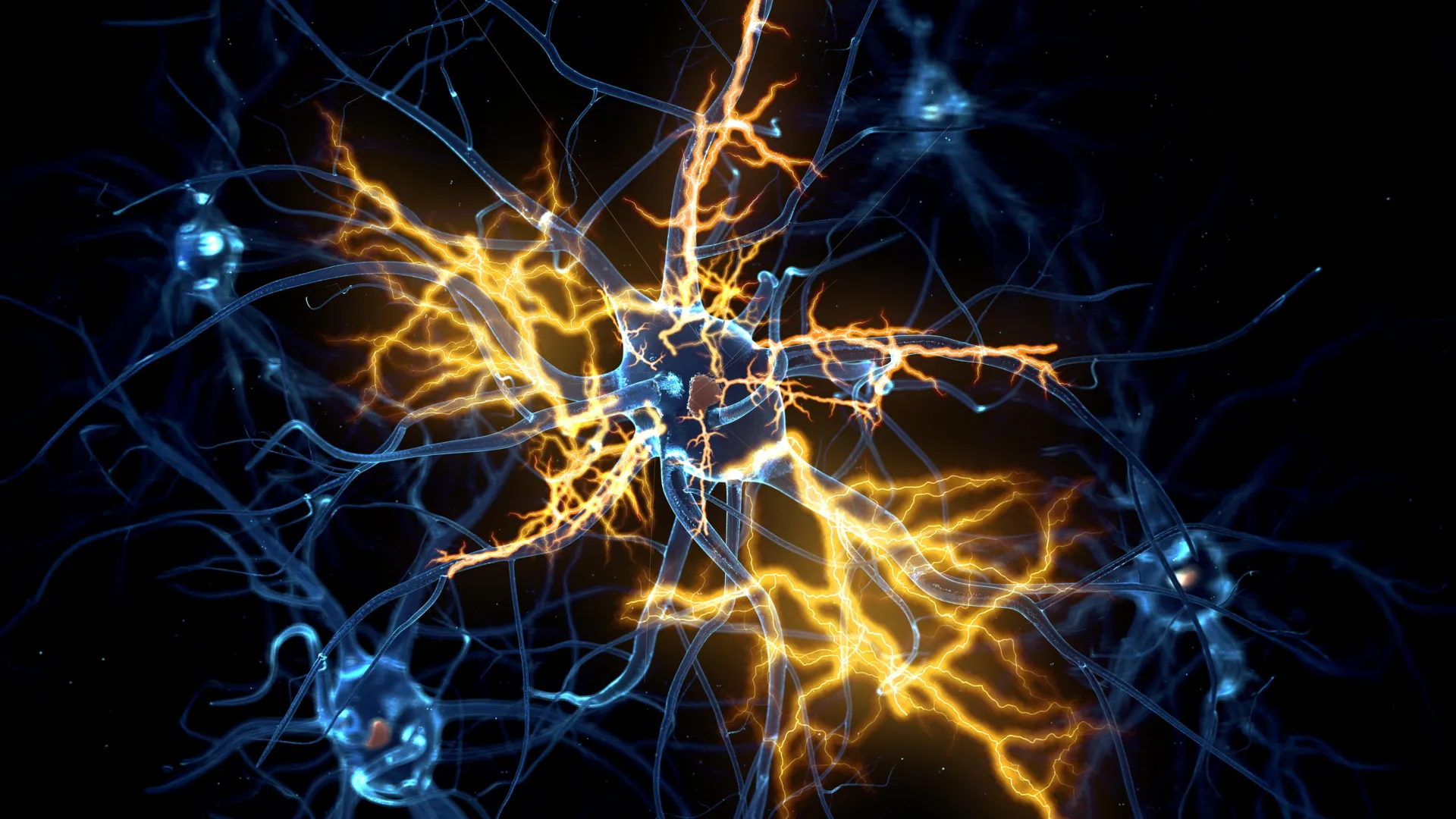
Rather than targeting a single known virus, the team used machine learning to design what they call a synthetic "super-antigen," built by analyzing massive genetic databases assembled through global animal-virus surveillance programs. The algorithms searched for vulnerabilities shared across the entire family of Sarbecoviruses, then engineered a target intended to train the immune system against threats that have not yet emerged in humans.
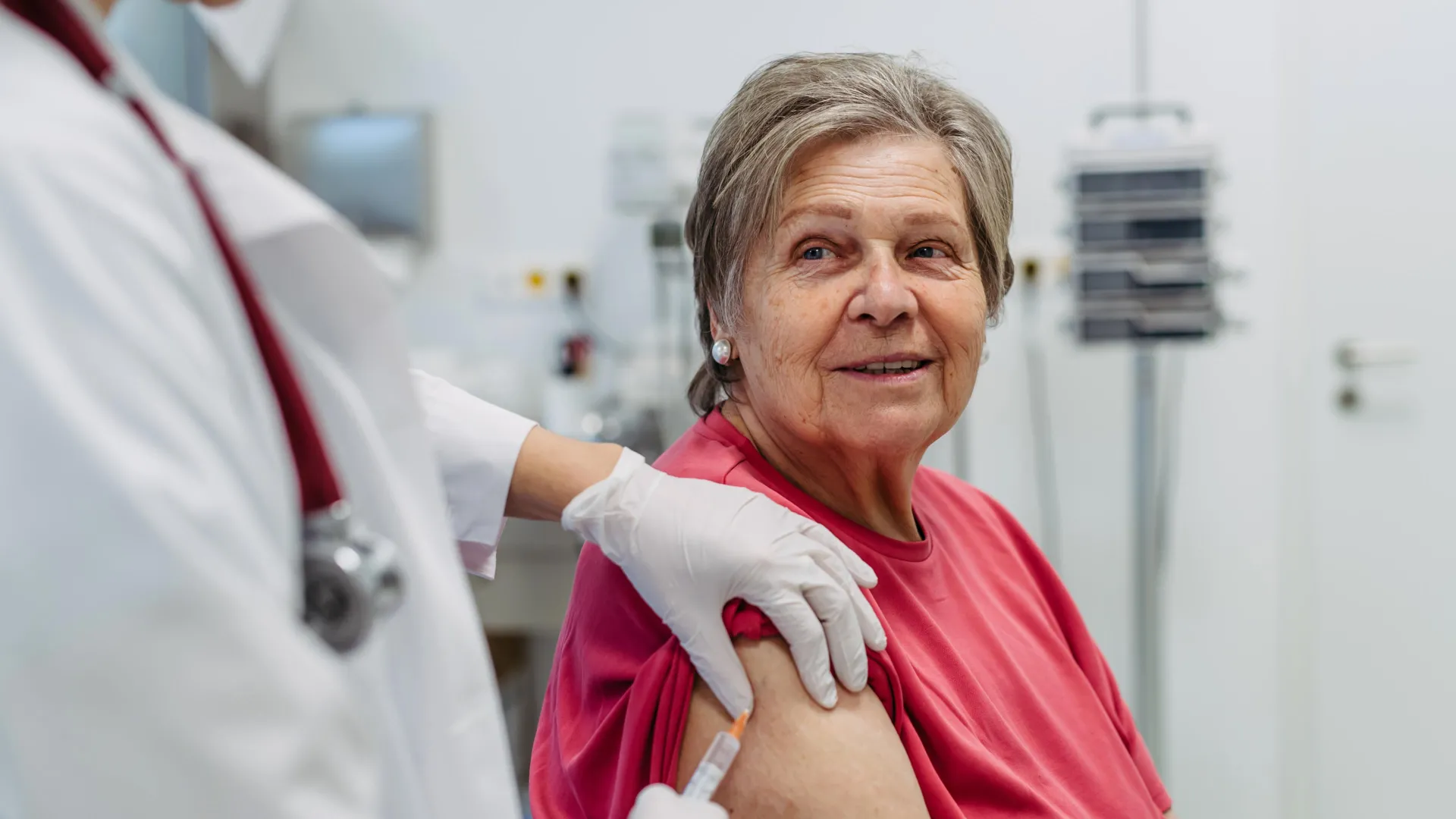
In the trial, which enrolled 39 healthy volunteers, the vaccine proved safe with no significant side effects. Crucially, it triggered immune responses not only against SARS-CoV-2 and SARS-CoV-1 but also against related bat coronaviruses that have never caused large-scale human outbreaks — early evidence that a computer-designed antigen can elicit the kind of broad protection scientists have long sought but struggled to achieve.
The implications extend well beyond COVID-19. A vaccine that can pre-emptively cover an entire viral family could shorten the frantic race to develop shots after a new pathogen jumps to humans, the scenario that left the world scrambling in early 2020. Researchers framed the approach as a template for "pandemic preparedness," in which candidate vaccines are designed in advance against the most dangerous viral families lurking in wildlife.
Important caveats remain. Phase I trials are designed primarily to test safety and basic immune response in a small group, not to prove that a vaccine prevents disease in the real world; larger Phase II and Phase III studies will be needed before any such vaccine could be approved or deployed. Still, the demonstration that an AI-designed antigen can move from a computer model into human arms — and behave safely while generating broad immunity — marks a notable convergence of machine learning and vaccinology, and a sign of how the tools of computation are increasingly steering the future of medicine.