Trump Vows to Force the Supreme Court to Rehear Birthright Citizenship — a Long Shot Not Won Since 1965
Days after the justices ruled 6-3 that his order defied the 14th Amendment, the president said his lawyers will 'immediately' petition for a rehearing, a maneuver the court has not granted in a decided case in six decades.
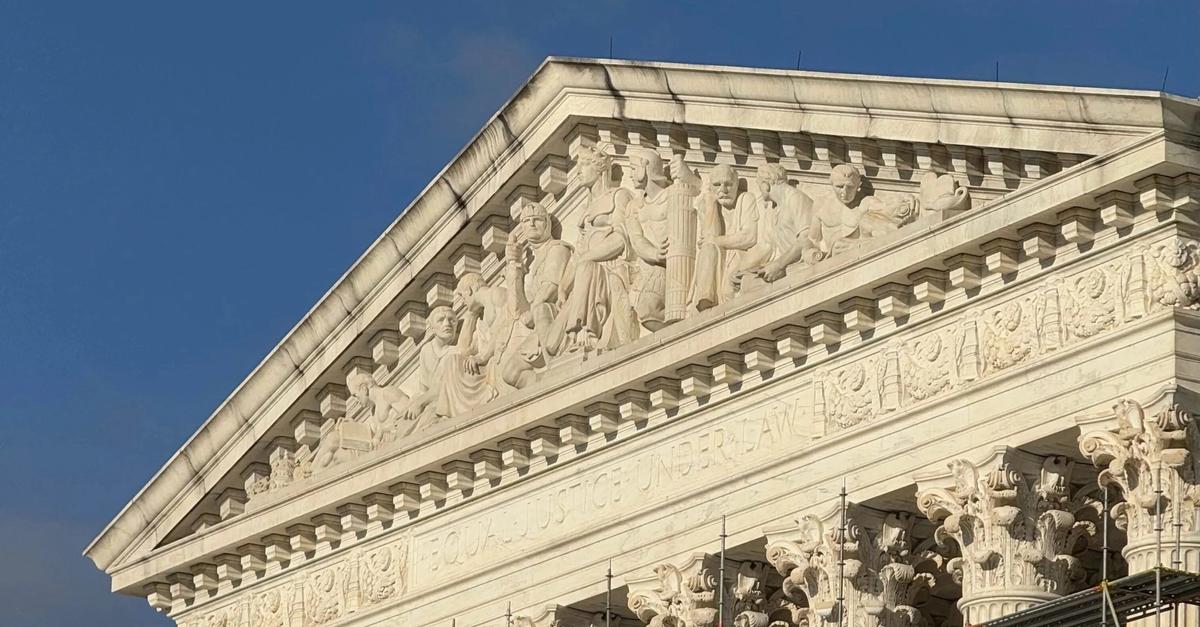
President Donald Trump said Wednesday that his legal team will "immediately" ask the Supreme Court to rehear its birthright citizenship case, an extraordinary and rarely successful gambit that came days after the justices ruled his executive order unconstitutional.
The court, in a 6-3 decision issued at the end of June, held that the 14th Amendment guarantees citizenship to nearly every child born on U.S. soil. Chief Justice John Roberts and Justice Amy Coney Barrett joined the court's three liberals — Justices Sonia Sotomayor, Elena Kagan and Ketanji Brown Jackson — in the majority. Justices Clarence Thomas, Samuel Alito and Neil Gorsuch dissented, with Alito writing that the court had "made a serious mistake."
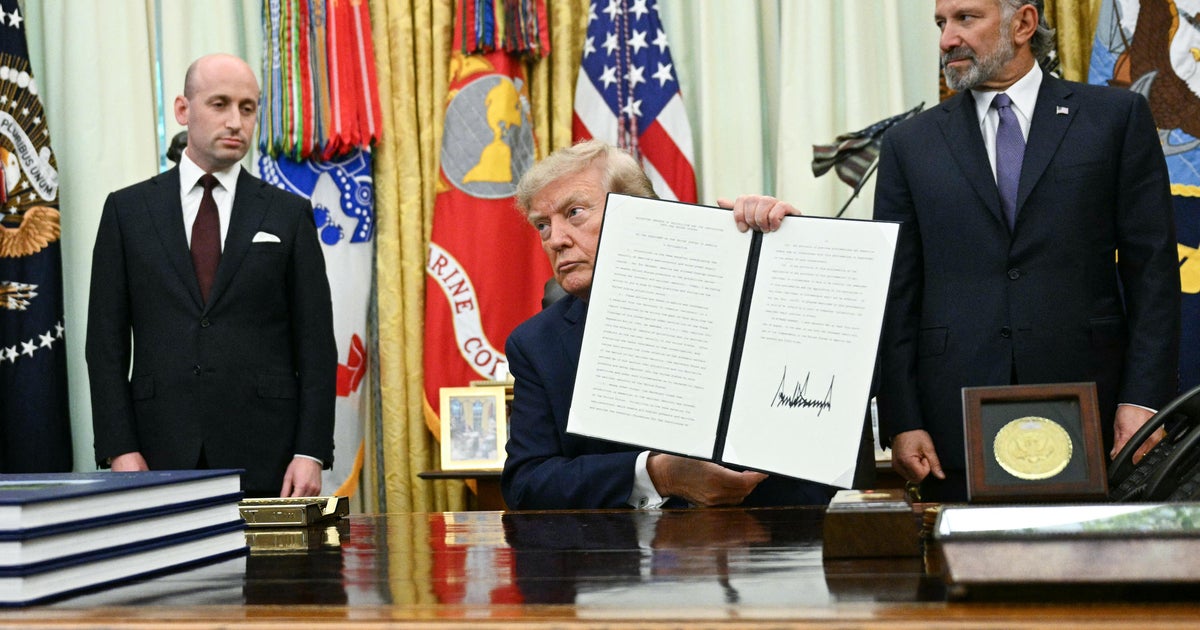
At the heart of the fight is the amendment's promise of citizenship to those born in the United States and "subject to the jurisdiction thereof." Trump's order, signed at the start of his term, would have denied automatic citizenship to babies unless at least one parent was a U.S. citizen or lawful permanent resident. The majority found that reading irreconcilable with more than a century of precedent stretching back to the 1898 case United States v. Wong Kim Ark.
Trump, who called the ruling "insane," announced the rehearing push on his Truth Social account and in remarks to reporters, insisting the justices had gotten the Constitution "exactly backwards." He framed the move as a promise kept to supporters who have made ending birthright citizenship a central demand of the immigration debate.
Legal scholars were quick to note the odds. The Supreme Court almost never agrees to rehear a case it has already decided; the last time it granted such a request after ruling in an argued case was in 1965. A rehearing petition must typically be supported by a justice who voted in the majority, a threshold that makes the effort a long shot bordering on symbolic.
Immigration advocates called the announcement a political message rather than a serious legal strategy. Opponents of the order had warned that stripping birthright citizenship could create a class of stateless children and upend the way hospitals, states and federal agencies issue documents at birth. Supporters of the president argue the amendment was never meant to cover the children of parents in the country illegally or temporarily.
For now, the June ruling stands, and birthright citizenship remains the law of the land. But the White House's vow to keep fighting guarantees the issue will hang over the administration's immigration agenda — and over a Supreme Court that has repeatedly found itself refereeing clashes between Trump and the judiciary. A rehearing request, even a doomed one, keeps a signature campaign promise alive in front of the president's base heading into a contentious election season.