Walz Pulls Minnesota's Guard From D.C. Early After Troops Turn Up on Neighborhood Patrols
The governor said his soldiers were sent only to help with America 250 events near the National Mall — not the block-by-block 'presence patrols' that mirror President Trump's federal task force across the capital.
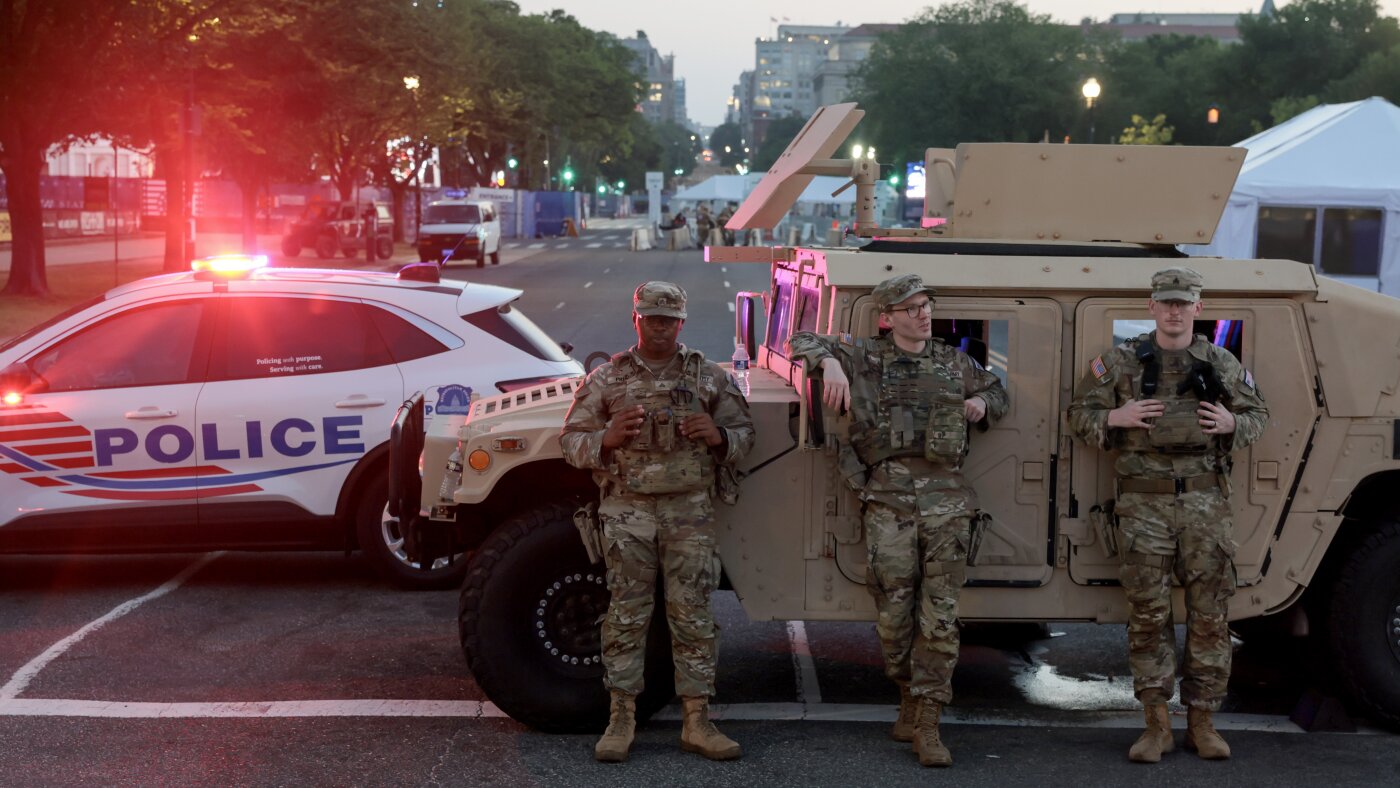
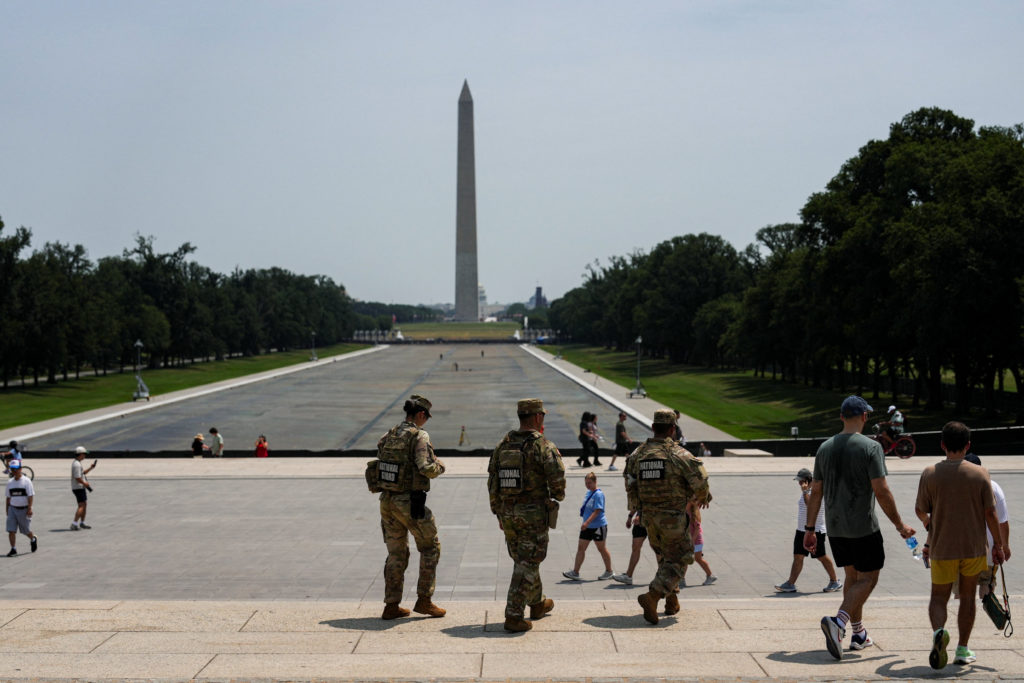
Minnesota Gov. Tim Walz is pulling his state's National Guard members out of Washington, D.C., ahead of schedule, after the troops were spotted on foot patrols in city neighborhoods far from the National Mall — a mission his office says it never signed up for.
Walz had dispatched the guard members to the capital in the run-up to the America 250 celebrations, with explicit orders that they be used only to support those events near the national monuments. Democratic governors in Kentucky, North Carolina, Michigan, Maryland and Hawaii sent troops on similar terms in recent weeks, part of a patchwork of state deployments layered on top of President Trump's own year-long federal Joint Task Force in the city.
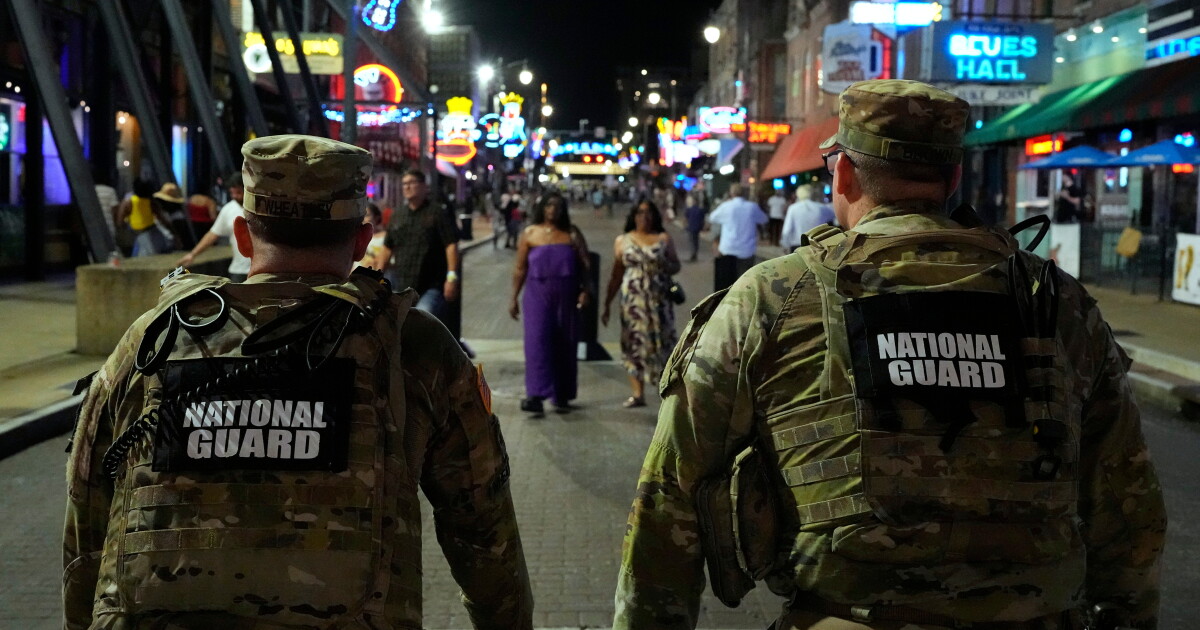
The trouble, according to Walz's office, was that the Minnesota soldiers began appearing on "presence patrols" in residential areas — the same block-by-block posture that troops under Trump's federal task force have adopted across Washington for nearly a year. "When it became clear that members of their guard were being used on presence patrols in other neighborhoods, the decision was made to pull them out," the governor's office told NPR. The Minnesota contingent had originally been slated to remain in the capital until July 23.
The early withdrawal lands amid a swelling backlash from Democratic governors who argue their citizen-soldiers are being folded into a broader federal show of force they never authorized. What began as a limited, ceremonial assignment tied to a national anniversary has, in their telling, morphed into open-ended urban policing — a mission with far greater political and legal freight.
Pressure is now building on other governors to follow Walz's lead. Attention has turned in particular to Michigan, where officials face similar questions about whether their guard members have drifted from event support into neighborhood patrols. The episode has sharpened a running dispute over who controls National Guard troops once they cross into the District, and to what ends they can be put.
The standoff underscores the unusual arrangement Trump has built in the capital, where a federal task force has maintained a sustained troop presence on city streets. For Democratic governors, the risk is that lending personnel to a national celebration becomes tacit participation in that larger deployment. By recalling his troops before their tour was up, Walz drew a line — insisting that Minnesota's guard would help mark America's 250th birthday, but would not serve as beat cops in someone else's operation.