Oil Spikes as Iran Strikes Three Tankers in the Strait of Hormuz, Shattering the Fragile Truce
Brent crude jumped more than 5% after Iranian forces hit a Qatari gas carrier and two other vessels in under 24 hours. Washington answered by revoking Tehran's license to sell oil.
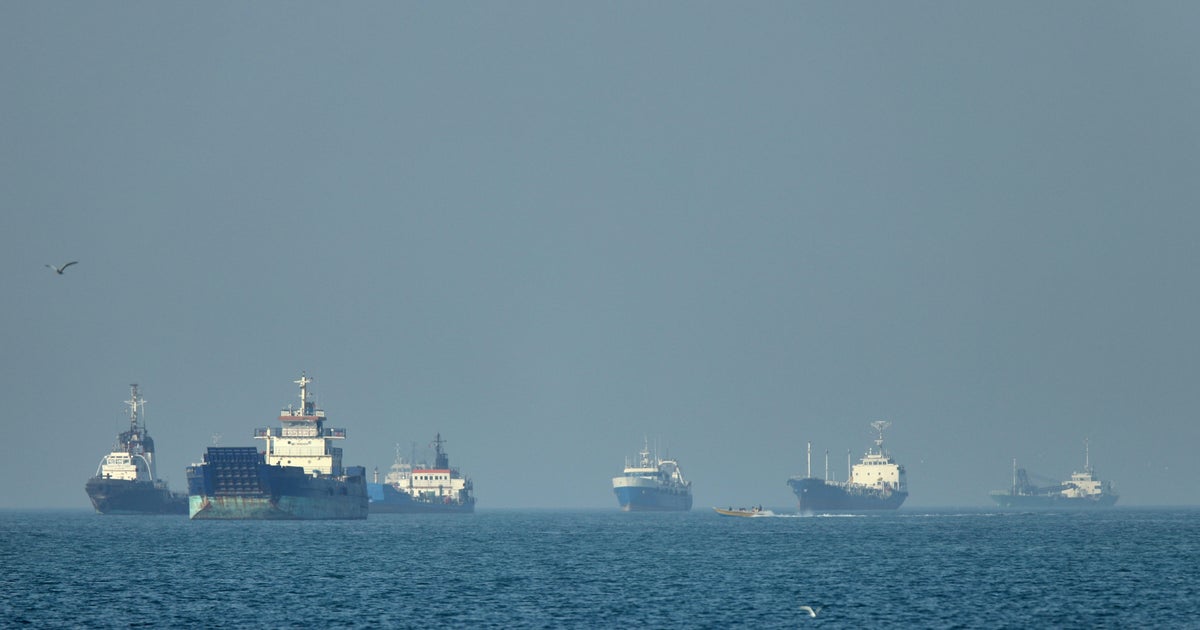
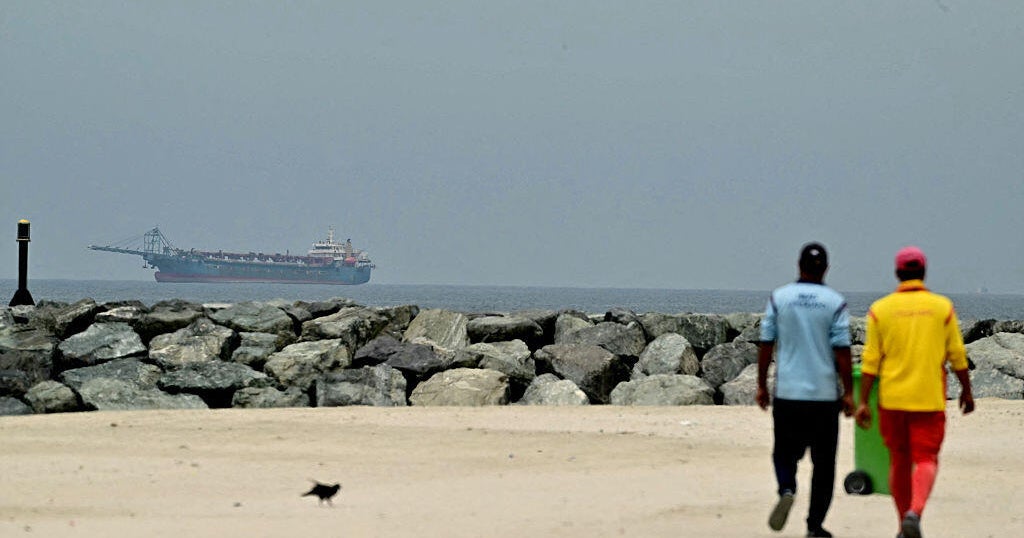
Global oil prices surged this week after Iran's Islamic Revolutionary Guard Corps struck three commercial vessels in or near the Strait of Hormuz in the span of a single day, reigniting fears that the world's most important oil chokepoint could be dragged into open conflict. A U.S. official said Iranian forces fired missiles at two ships on Tuesday and then hit a third with at least one drone, including the Qatari liquefied natural gas carrier Al-Rekayyat as it transited the waterway.
The attacks jolted energy markets that had spent weeks betting on a durable calm. Brent crude, the international benchmark, settled about 3% higher at $74.16 a barrel, while U.S. West Texas Intermediate advanced 2.8% to $70.44. The gains accelerated after hours as Washington escalated: Brent popped 5.6% to $76.04 and WTI jumped 5.4% to $72.25 once the Trump administration announced it was revoking the license that had allowed Iran to sell its oil on the open market.
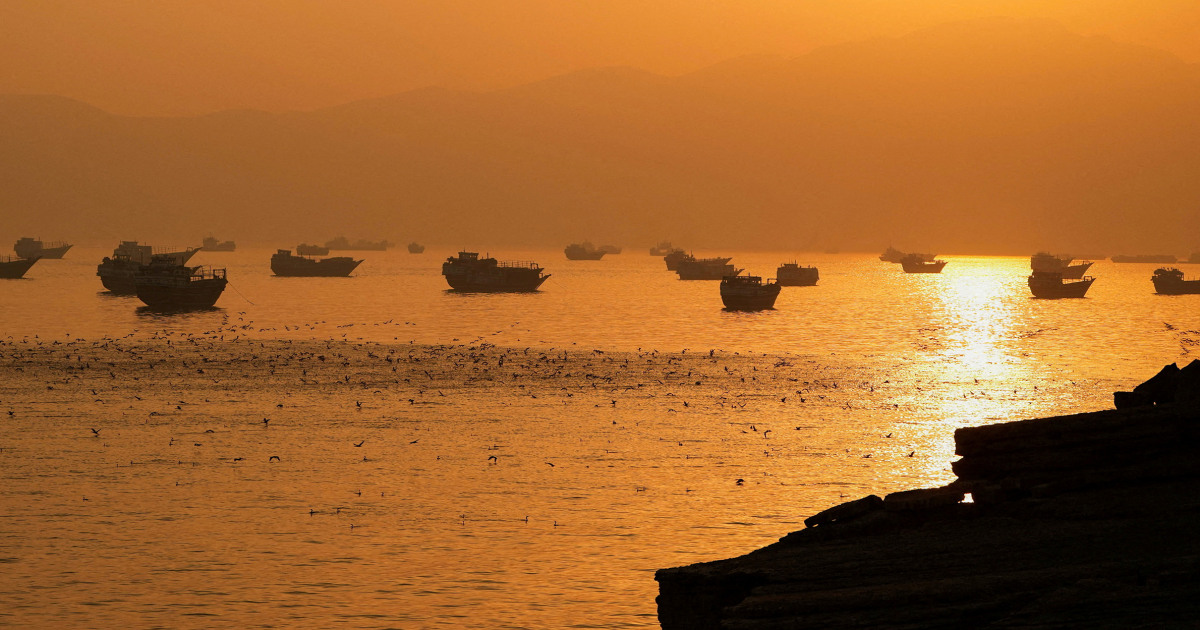
The Strait of Hormuz is the pressure point beneath all of it. The narrow channel between Iran and Oman funnels roughly a fifth of the world's oil — close to 20 million barrels a day — along with a large share of seaborne liquefied natural gas. Any sustained threat to traffic there forces tanker owners to weigh soaring war-risk insurance premiums against the cost of the longer voyages that avoid the Gulf entirely, and both routes push fuel prices higher for consumers thousands of miles away.
President Donald Trump declared the month-old interim ceasefire with Tehran effectively over, and U.S. Central Command carried out a second consecutive night of precision airstrikes against Iranian coastal assets. The interim agreement had been meant to freeze hostilities while the two governments negotiated a permanent end to their war, but the tanker strikes exposed how brittle that framework has become. Each side now accuses the other of breaking faith, and the diplomatic track that officials described only weeks ago as promising has narrowed sharply.
For the wider region, the episode is a reminder of how quickly a localized clash can ripple outward. Qatar, one of the planet's largest LNG exporters, saw one of its own carriers targeted; Gulf shipping lanes that move crude to Asia and Europe are again shadowed by the possibility of mines, missiles and drones. Analysts warned that a prolonged campaign against shipping — even one that never fully closes the strait — could keep a persistent premium in oil prices and complicate the fight against inflation in economies still recovering from earlier shocks.