Trump Declares Iran Ceasefire 'Over' as U.S. Pounds 90 Targets and Tehran Strikes Back at Gulf Bases
Two nights of American airstrikes killed at least 14 people in Iran after Tehran attacked commercial tankers in the Strait of Hormuz, collapsing a month-old truce as Khamenei was laid to rest.
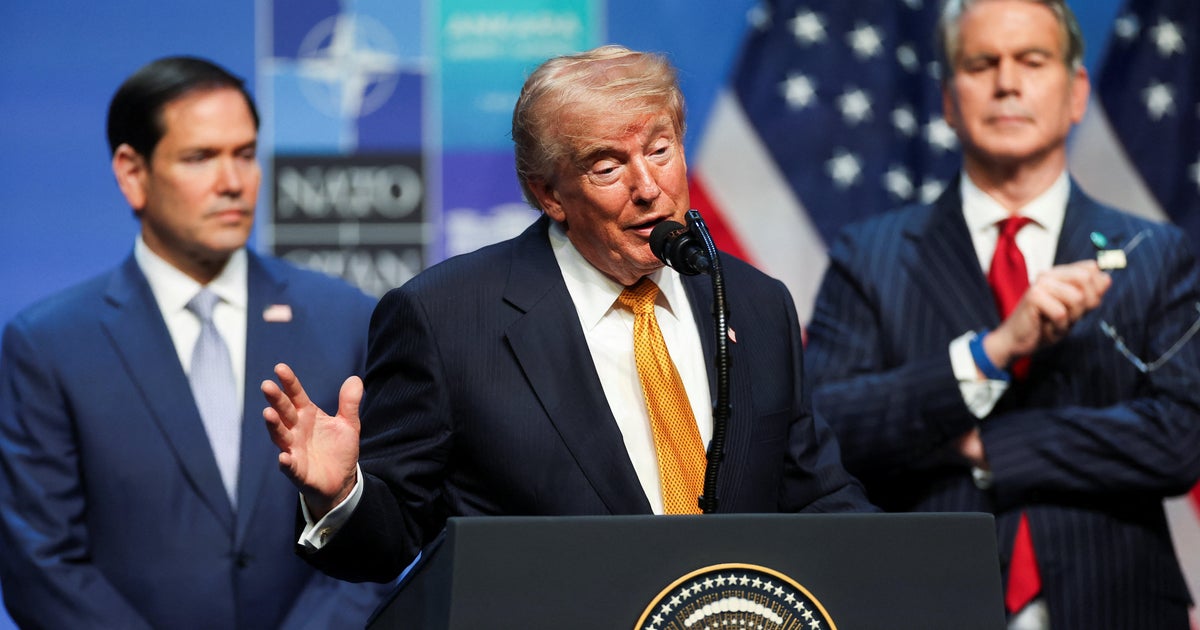
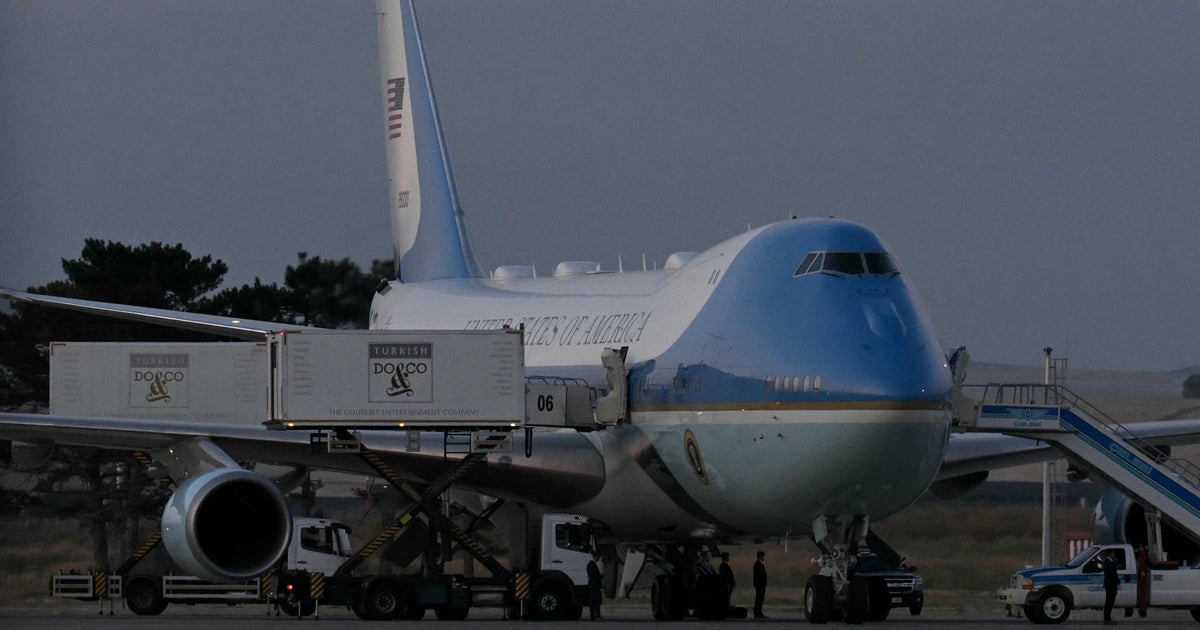
President Donald Trump declared the month-old ceasefire with Iran "over" on Wednesday, hours after American forces launched a second consecutive night of strikes on Iranian territory and Tehran retaliated with missiles and drones aimed at U.S. allies across the Persian Gulf. Speaking at the NATO summit in Ankara alongside Secretary-General Mark Rutte, Trump left no doubt about the truce he had brokered in the spring. "For me? I think it's over," he said, dismissing Iran's leadership as "scum," "liars" and "cheats."
The collapse was triggered by attacks on shipping in the Strait of Hormuz, the narrow chokepoint through which roughly a fifth of the world's oil passes. Iran struck at least three commercial vessels Monday and Tuesday, including the Saudi-flagged crude tanker Wedyan, after demanding that ships use a northern route it controls. British maritime authorities confirmed one tanker was hit by a projectile near Oman's coast, sparking a fire. By Thursday only three tankers were transiting the strait — two of them already under U.S. sanctions — down from 21 the day before, and roughly 600 seafarers were reported trapped in the Gulf.
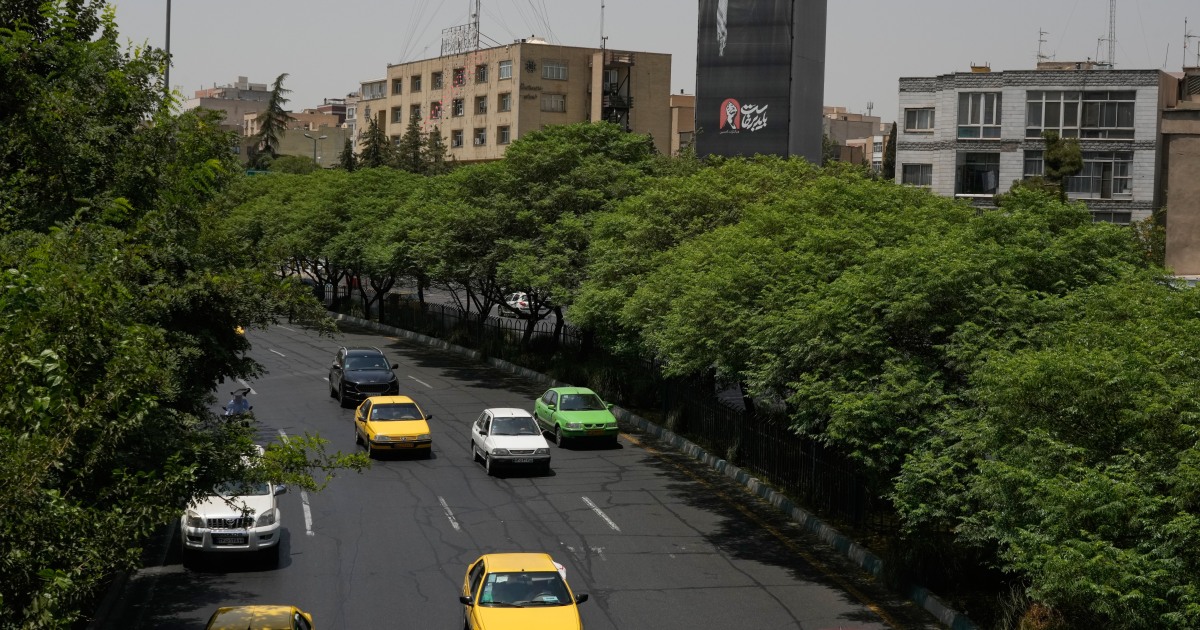
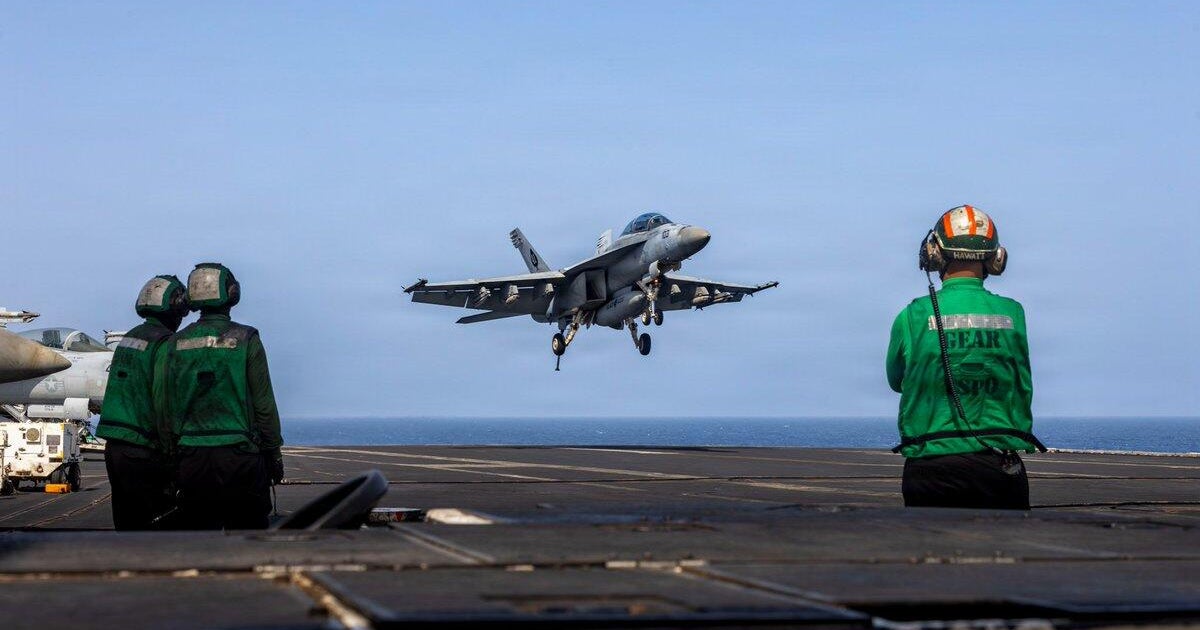
The United States answered with what officials described as strikes on some 90 Iranian targets over two nights, hitting air defenses, drone and missile depots, naval assets and logistics hubs. One strike struck the perimeter of the Bushehr Nuclear Power Plant in southern Iran. Iran's Health Ministry said at least 14 people were killed and 78 wounded in the American bombardment. Iran fired back at bases in Bahrain, Kuwait and Qatar; Jordan said it intercepted eight incoming Iranian missiles, and Kuwait reported downing two ballistic missiles and 13 drones.
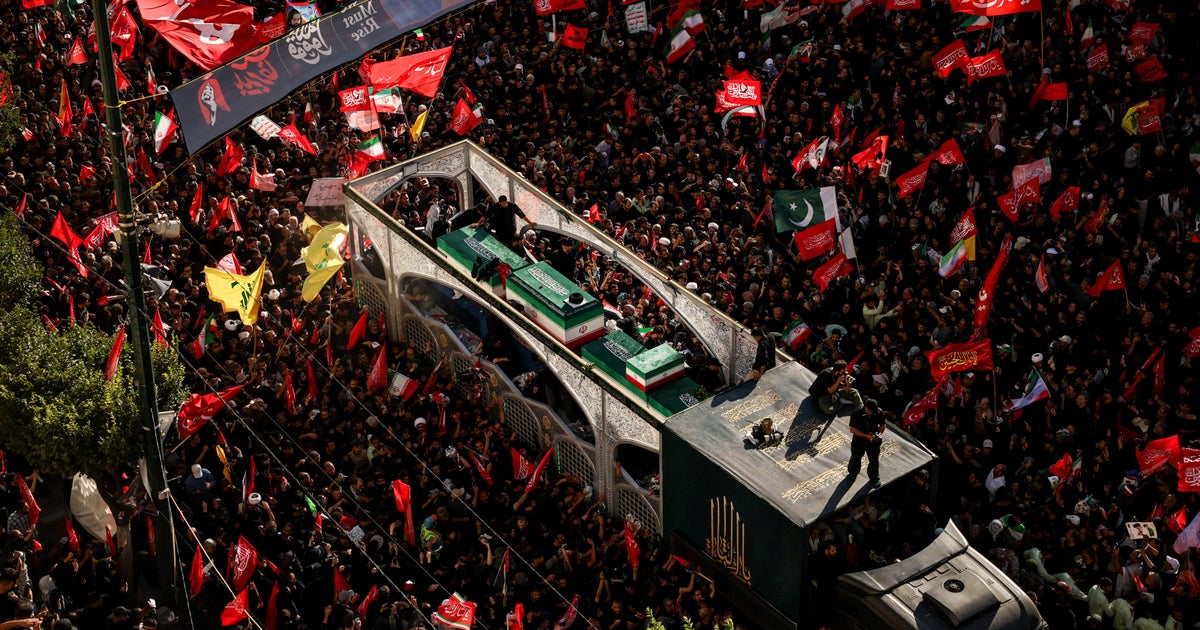
The renewed fighting unfolded as Iran buried former Supreme Leader Ayatollah Ali Khamenei, killed on the first day of the war in late February, in a multiday funeral procession that ended Thursday at the Holy Shrine of Imam Reza in Mashhad. Major General Abdolrahim Abdollahi vowed retribution against those he called Khamenei's "killers." Israeli Defense Minister Israel Katz warned that Israel was prepared to rejoin the fight, saying, "If we have to go back, we will go back, with even greater force."
Vice President JD Vance signaled the administration's red line was the waterway itself. "If they try to close it down, there's going to be a response," he said. Trump, for his part, insisted Iran still wanted to negotiate — "They want to make a deal so badly," he said — while questioning whether Tehran was "worthy" of one. Markets were rattled but not panicked: Brent crude slipped 2.1% to $76.39 a barrel and U.S. stocks edged higher, with the S&P 500 up 0.7%. Retired Lt. Gen. H.R. McMaster cautioned that Iran had rebuilt "about 50% of the missile stockpiles" it burned through earlier in the year, a sign the confrontation could grind on.