Venezuela's Earthquake Death Toll Climbs Past 3,500 as 50,000 Remain Unaccounted For
Two weeks after twin quakes flattened swaths of the country, acting President Delcy Rodríguez has declared national mourning while rescuers still pull survivors from the rubble.
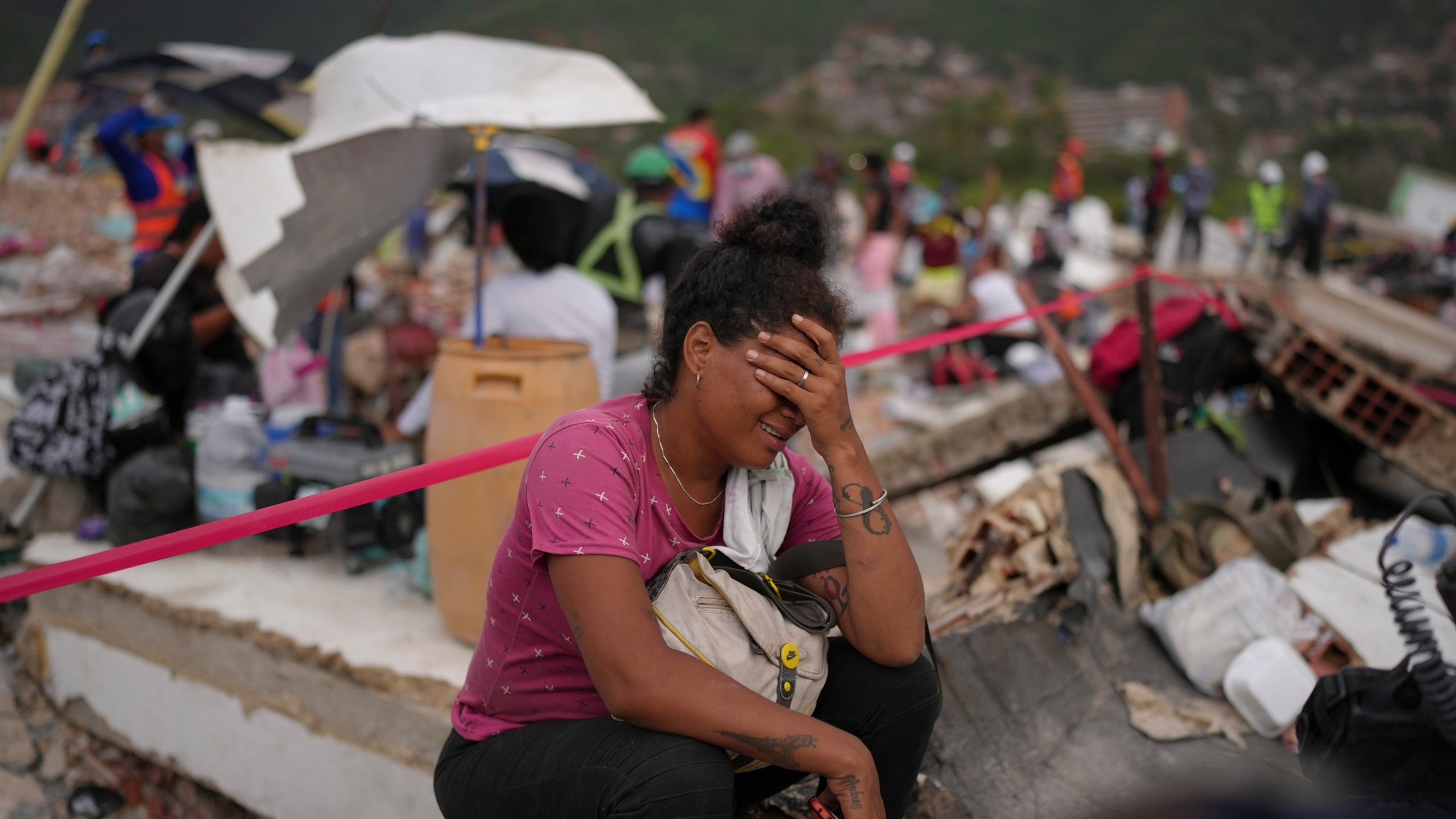
CARACAS, Venezuela — The death toll from the twin earthquakes that devastated Venezuela on June 24 has surged past 3,500, government officials said this week, as exhausted rescue crews kept clawing through mountains of concrete in a search for tens of thousands of people still listed as missing.
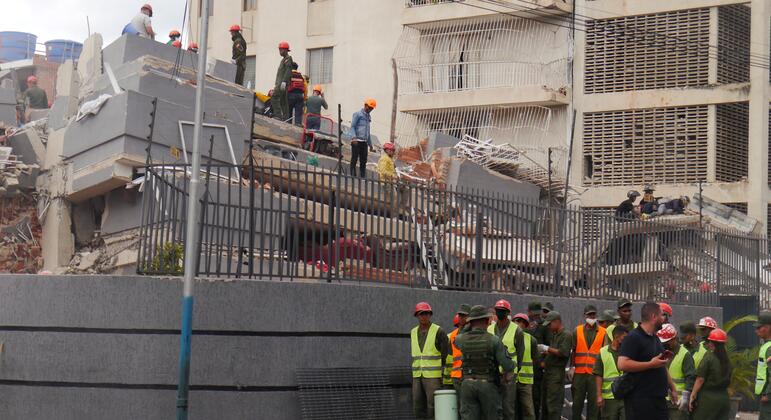
Two powerful strike-slip earthquakes, measured at magnitude 7.2 and 7.5, struck just 39 seconds apart, with epicenters near Veroes Municipality west of San Felipe, the capital of Yaracuy state. The shaking leveled buildings across a wide arc of northern Venezuela, from Yaracuy to the crowded coastal state of La Guaira, where officials say roughly 80% of structures collapsed. Damage also spread into Caracas, where older apartment blocks pancaked and trapped families as they slept.
Acting President Delcy Rodríguez, who leads the fragile government that took power after the fall of Nicolás Maduro, declared seven days of national mourning and said the country had endured more than 862 aftershocks in the days after the disaster. Rodríguez told reporters that nearly 50,000 people remain unaccounted for and that at least 12,400 have been injured, straining a health system already crippled by years of economic collapse. The U.S. Geological Survey's PAGER modeling system has warned the eventual toll could climb well above 10,000.
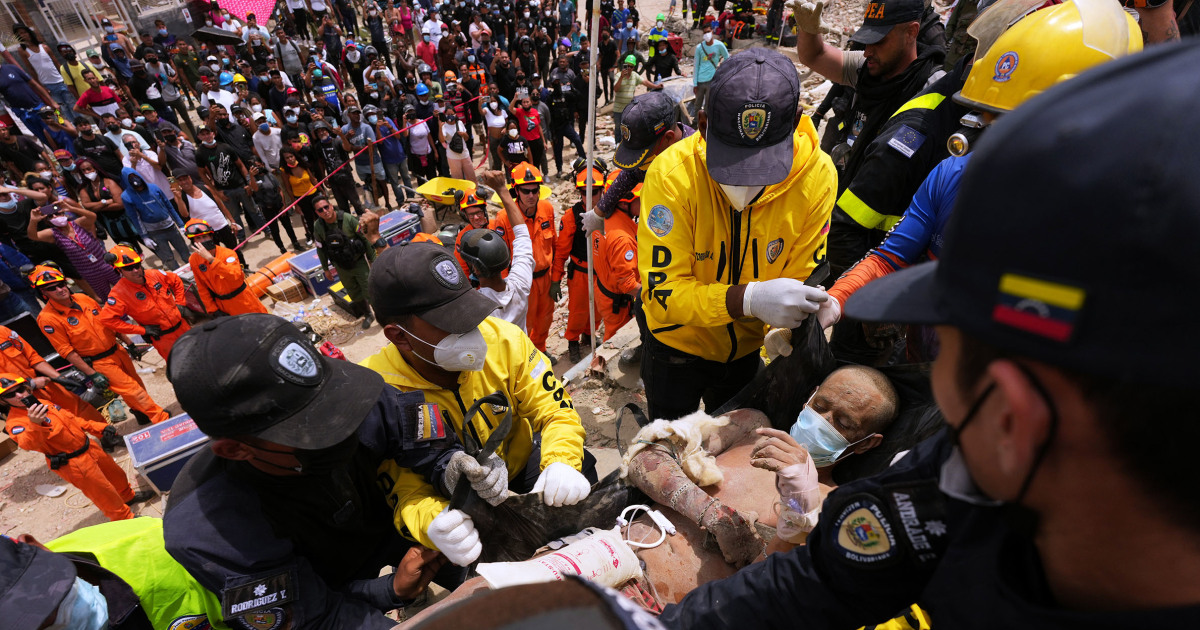
Even as hope faded, survivors were still being found. Rescuers pulled one man alive from beneath a collapsed shopping mall after 120 hours trapped in the debris, and a mother and her 18-day-old newborn were recovered from a flattened home more than 30 hours after the quakes. International teams, including a Miami-based search-and-rescue task force and crews with trained dogs, joined Venezuelan responders as families camped beside ruined buildings, refusing to leave until loved ones were located.
Conditions in the hardest-hit neighborhoods have grown grim. Across parts of Catia La Mar, Caraballeda and Los Corales, the smell of decomposition hangs in the air as bodies continue to be recovered, and aid groups warn that the water system has failed in several areas, raising fears of disease. The International Rescue Committee said children are among the missing and cautioned that the crisis is far from over.
The disaster has landed on a country ill-equipped to absorb it. Years of hyperinflation, sanctions and mismanagement gutted Venezuela's hospitals, building codes and emergency services long before the ground shook, and much of the collapsed housing was informal construction never engineered to withstand a major quake. Foreign governments and relief organizations have begun airlifting field hospitals, water-purification units and rescue teams, but damaged roads and a battered port at La Guaira have slowed the flow of aid to survivors sheltering in parks and school yards. For a nation still rebuilding its institutions after the fall of Maduro, the earthquakes have become the deadliest natural disaster in modern Venezuelan history — and an early, brutal test of a government that has been in power for only months.