Oil Spikes and Wall Street Recoils as Trump 'Plays With Economic Fire' Over the Strait of Hormuz
Crude jumped about 8% toward $80 a barrel after the president threatened to blockade the world's most important oil chokepoint, through which roughly a fifth of global supply flows.

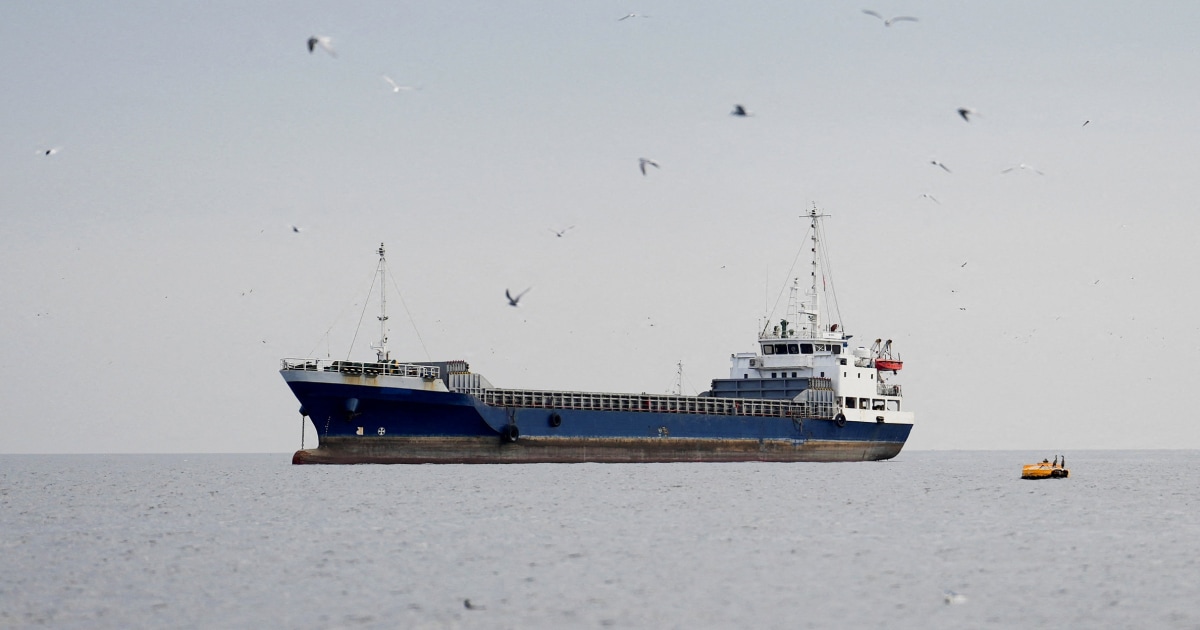
President Trump's declaration that the Iran ceasefire is "over" sent a jolt through global energy markets on Wednesday, driving oil prices up roughly 8% and reviving fears of a supply shock centered on the Strait of Hormuz. Brent crude, the international benchmark, pushed above $80 a barrel while U.S. West Texas Intermediate topped $75, as the president threatened to reimpose a naval blockade on the world's single most important oil chokepoint.
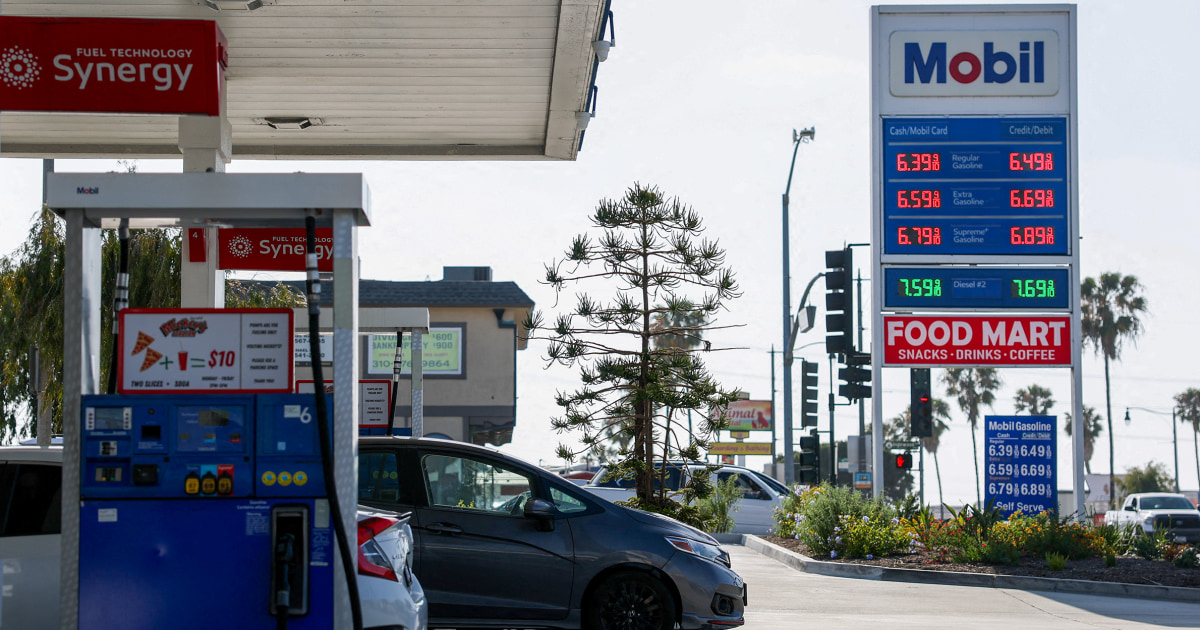
Roughly a fifth of the world's oil passes through the narrow strait between Iran and Oman, and any serious disruption there ripples straight into gasoline prices, airfares and the cost of nearly everything that moves by ship or truck. Analysts warned that Trump was courting exactly that danger. "He's playing with economic fire," one energy strategist told CNN, noting that a closure — even a partial or temporary one — could push crude sharply higher and stoke inflation just as it had begun to cool.
There were already signs of strain in the physical market. Andy Lipow, president of Lipow Oil Associates, estimated that about 200 million barrels of oil had escaped the Strait of Hormuz over the previous three weeks — the equivalent of roughly two days of global demand — as tankers rushed to move cargoes before the situation deteriorated. About 60 million barrels of that total is Iranian crude that the Trump administration sanctioned again on Tuesday, giving buyers just 10 days to take possession before it is placed off-limits.
Domestic buffers are thin. Inventories at Cushing, Oklahoma — the pipeline crossroads that feeds refineries across the country — remain below 20 million barrels, a level at which the hub begins to struggle to move crude efficiently. Stockpiles there rebounded by about 700,000 barrels last week but are still near operational stress levels, leaving little cushion if imports are interrupted.
The market moves capped a jittery stretch for investors. Stocks had already sold off in recent sessions on worries about the semiconductor trade and the direction of interest rates, and the return of open conflict in the Gulf added a fresh layer of uncertainty. Energy shares climbed on the higher crude prices, but airlines, shippers and other fuel-sensitive sectors came under pressure.
For now, the strait remains open to any ship willing to accept the risk, though at a steep insurance and freight premium. Whether it stays that way may hinge on the next 24 hours: Trump has promised further strikes, and Iran has vowed to close the waterway if attacked again. Economists say a sustained blockade is the scenario most likely to send pump prices climbing and complicate the Federal Reserve's fight against inflation.