Iran Strikes U.S. Bases in Bahrain, Kuwait and Qatar as Trump Orders 90 More Targets Hit
Tehran said it fired missiles and drones at American installations across the Gulf after U.S. forces bombed Iran's coast for a second straight night. President Trump, speaking from the NATO summit in Turkey, declared the ceasefire 'over.'

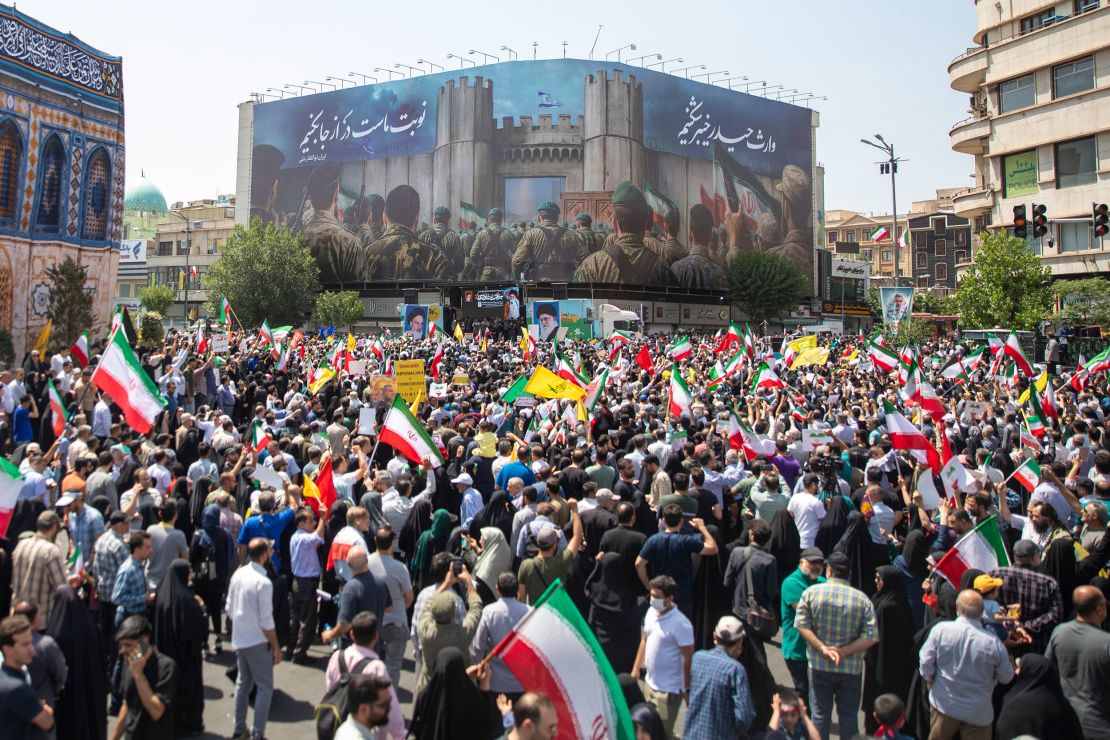
Iran said Thursday it had struck American military bases in Bahrain, Kuwait and Qatar, a dramatic widening of a conflict that has shattered a six-week-old ceasefire and pushed the United States and Tehran back into open war across the Persian Gulf.
Iran's Islamic Revolutionary Guard Corps said it targeted "key infrastructure and facilities" at bases used by U.S. forces, naming the Arifjan and Ali Al Salem installations in Kuwait and the Juffair and Sheikh Isa sites in Bahrain. Iran's regular army said separately that it had hit a Patriot missile battery in Kuwait, a satellite antenna in Qatar and U.S. military fuel depots in Bahrain. Kuwait's Defense Ministry said at least one person was wounded and reported intercepting two ballistic missiles and 13 drones on Wednesday. Qatar briefly issued an "elevated security threat," and air-raid sirens sounded in Bahrain, where the Interior Ministry urged residents to seek shelter.
The attacks came in retaliation for a second consecutive night of American airstrikes. U.S. Central Command said its forces had hit roughly 90 targets along Iran's coastline — air defenses, radar sites, drone and missile storage, naval targets and logistics hubs — after striking more than 80 targets the night before. Iranian authorities said the bombardment reached the coastal cities of Bushehr, Chabahar, Bandar Abbas and Jask, and Tehran reported multiple people killed.
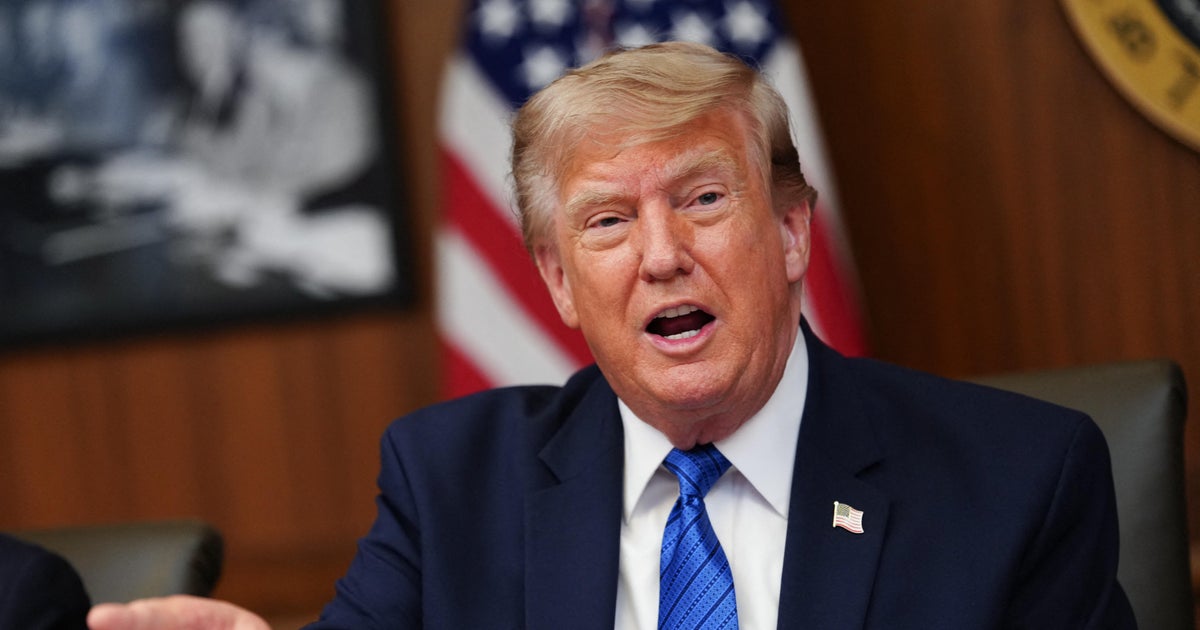
President Trump, appearing at the NATO summit in Ankara, Turkey, left no doubt that the truce had collapsed. "For me? I think it's over," he told reporters of the ceasefire. "I don't want to deal with them anymore, they're scum." He called Iran's leaders "liars" and "cheats," adding, "You've got to cut out cancer early." The ceasefire memorandum, signed in mid-June, had opened a 60-day negotiating window, but Washington revoked oil-sanctions waivers on Tuesday, and the two sides have traded blows ever since.
The immediate trigger was a series of Iranian attacks on commercial shipping in the Strait of Hormuz, the narrow waterway through which roughly a fifth of the world's oil passes. Iran struck at least three tankers over 24 hours, including the Saudi-flagged Wedyan, which was damaged in a fire. Global energy markets reacted sharply: West Texas Intermediate crude climbed above $75 a barrel and Brent traded near $78 as traders priced in the risk of a broader disruption to Gulf exports.
Mediators urged both sides to step back and honor the shattered memorandum of understanding, but there was little sign either was listening. Iran warned it would target any country that assists the United States, raising the specter of a regional war drawing in the Gulf monarchies that host tens of thousands of American troops. For now, the Strait of Hormuz — and the world's oil supply that flows through it — sits at the center of the most dangerous U.S.-Iran confrontation in years.