Colorado Wildfire Explodes to 91,000 Acres as a Brutal Heat Wave Kills at Least 25 Across 20 States
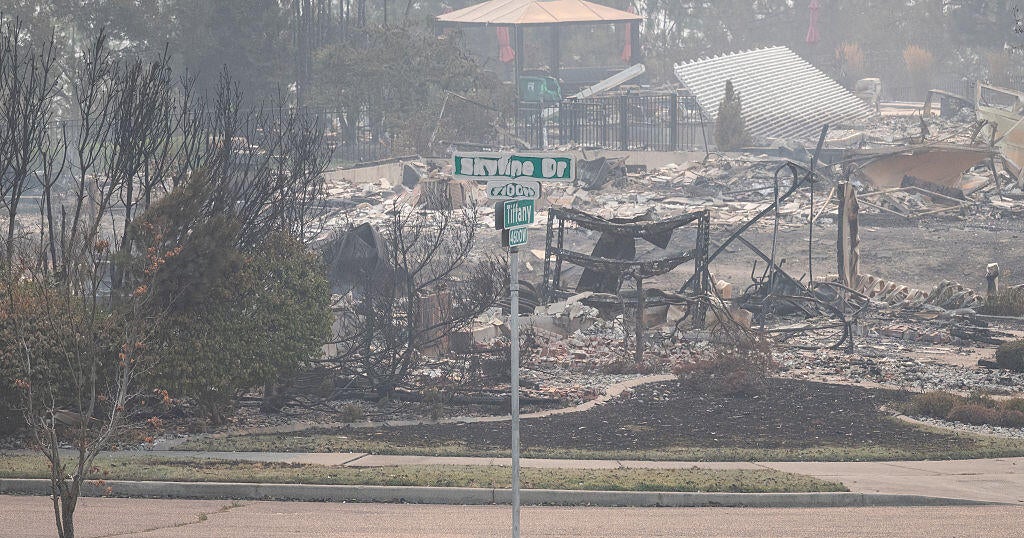
The Aspen Acres Fire has forced 11,000 people from their homes and destroyed 180 structures, while a punishing heat dome that spawned deadly storms has stretched extreme-weather advisories from Alaska to the East Coast.
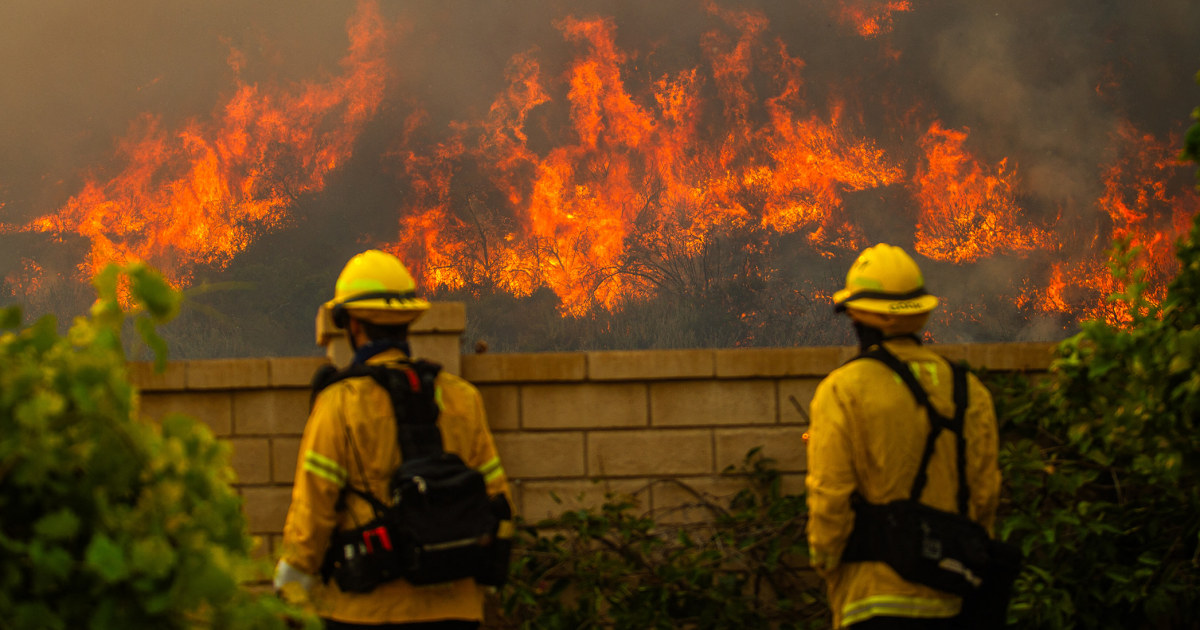
A fast-moving wildfire in southern Colorado has become the nation's top firefighting priority, part of a summer of extreme weather that has killed at least 25 people and blanketed much of the United States in dangerous heat.
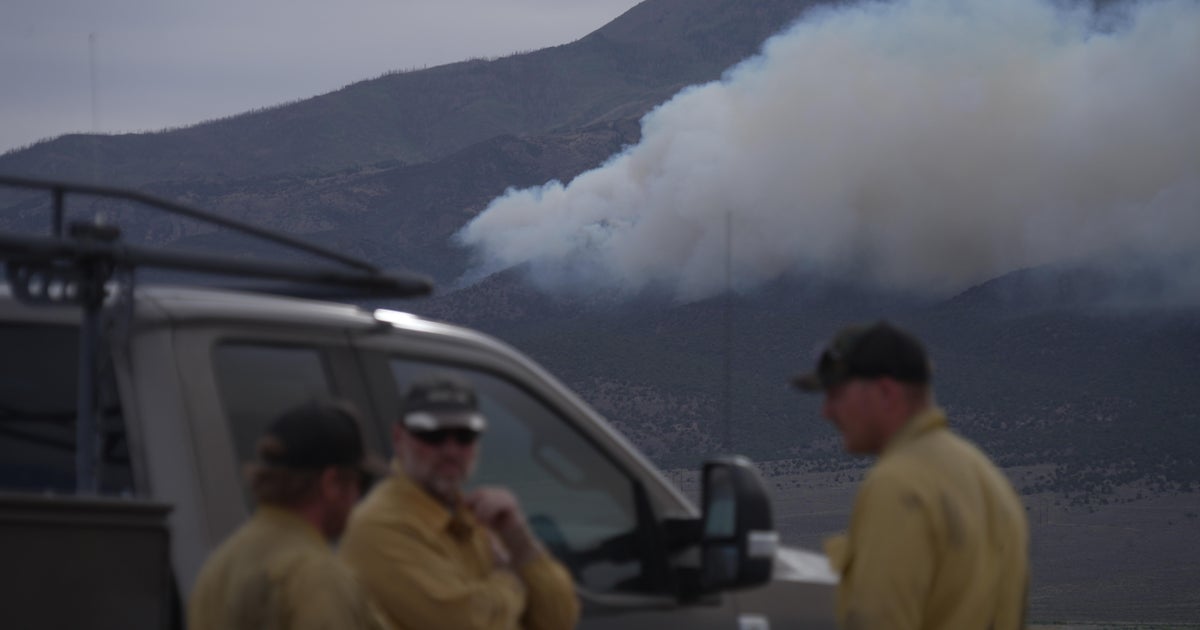
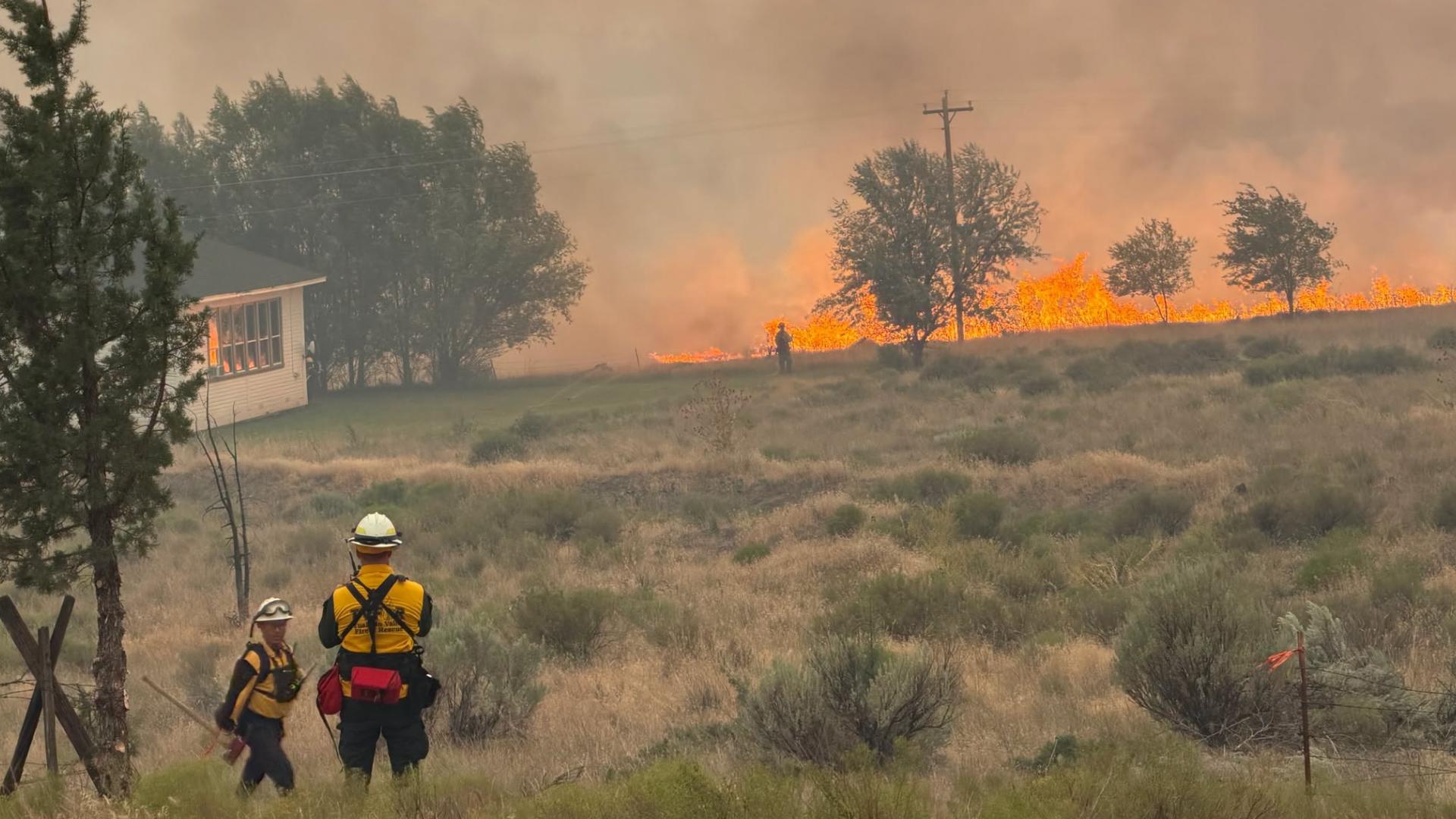
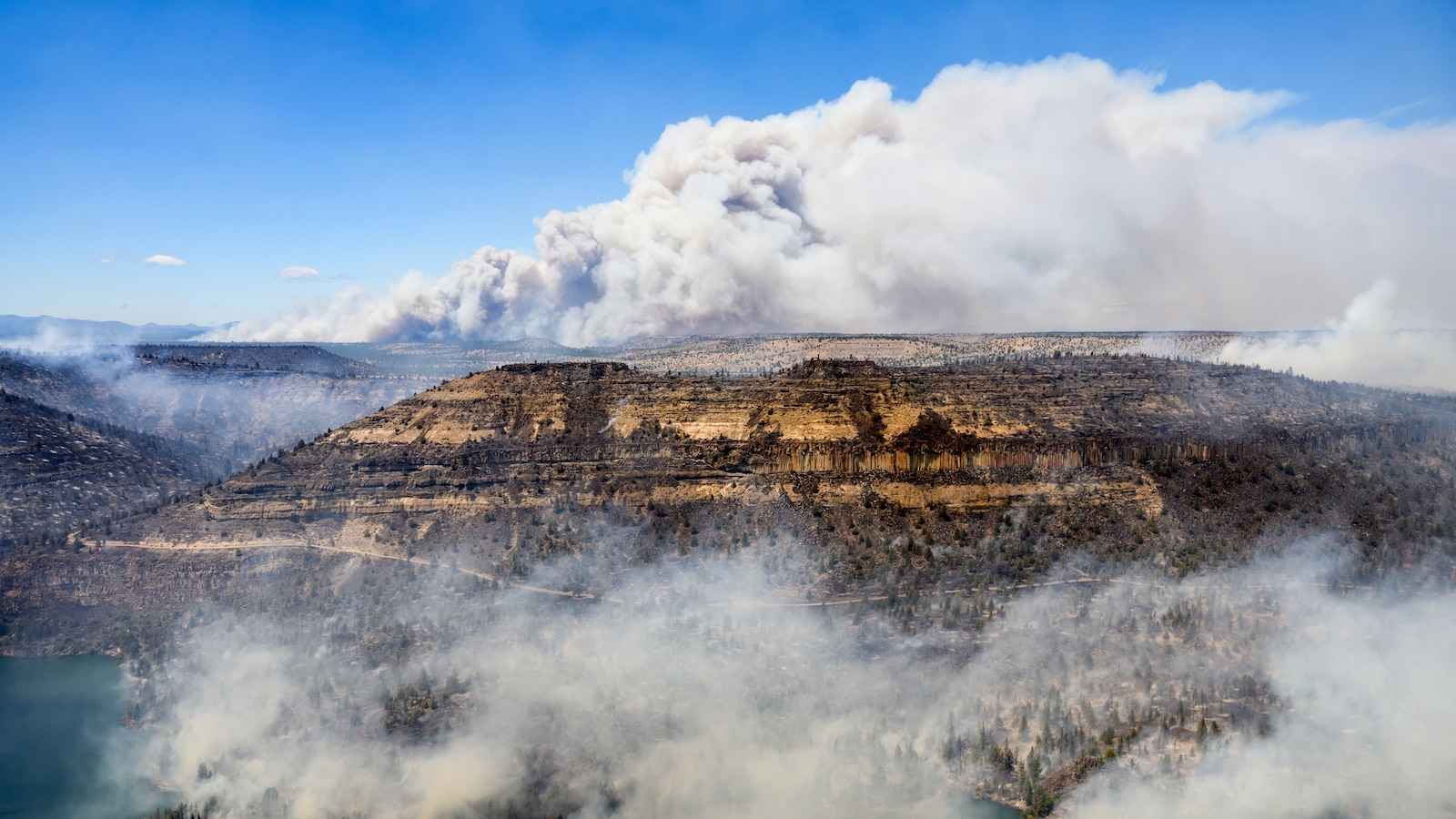
The Aspen Acres Fire, burning across Pueblo and Custer counties, had scorched about 91,000 acres since igniting on June 29 and was only 12% contained as of early this week, according to federal fire managers. At least 180 structures have been destroyed, and evacuation orders remain in place for roughly 11,000 residents as crews battle rugged terrain and shifting winds. It stands as the highest-priority incident on the national wildfire register, drawing air tankers and hand crews from across the West.
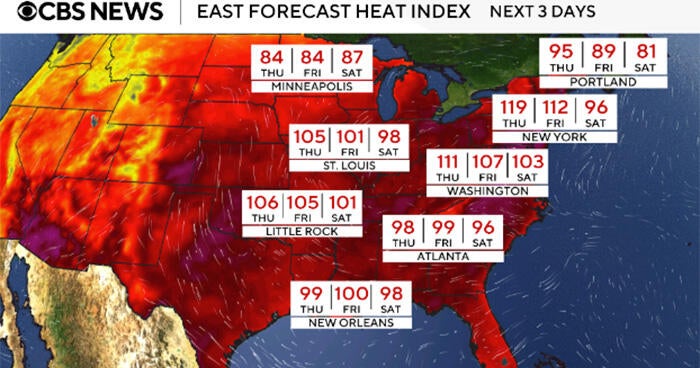
The blaze is one front in a broader assault of extreme weather. A severe heat wave that settled over North America in late June tied or broke temperature records in cities across the U.S. and Canada, with a peak of 106 degrees recorded in Atlantic City, New Jersey, on July 4. Forecasters said a second heat dome began building over the western and central states on July 6, and — in a striking sign of the heat's reach — the first-ever heat advisory was issued for parts of Alaska.
Extreme heat across 20 states has caused at least 25 deaths, officials said, with vulnerable populations, outdoor workers and the elderly most at risk. Emergency rooms in several cities reported spikes in heat-related illness as overnight temperatures stayed high enough to offer little relief.
The heat also fueled violent storms. From July 4 to 6, rounds of severe thunderstorms swept across the country, breaking up the initial heat dome but leaving destruction of their own: more than 1.3 million customers lost power and four people were killed. In some regions the heavy rain proved a double-edged sword, saturating the ground and easing fire danger even as it triggered localized flash flooding.
Scientists have long warned that a warming climate loads the dice toward exactly this kind of compound disaster — prolonged heat that primes landscapes to burn, punctuated by storms severe enough to knock out power to millions. For the tens of thousands of Coloradans displaced by the Aspen Acres Fire and the millions sweltering under advisories from Alaska to the Atlantic seaboard, the forecast offered little immediate comfort, with hot and unstable conditions expected to persist across large stretches of the country.