'Explosive' Stomach Parasite Sickens More Than 1,000 Americans as Michigan Becomes the Epicenter
The largest cyclospora outbreak in Michigan history has driven the U.S. total past 1,000 confirmed cases, with roughly 40 hospitalizations and investigations underway in 28 other states.

A microscopic intestinal parasite is tearing through the Upper Midwest, sickening more than 1,000 Americans and turning Michigan into the epicenter of what state officials are calling the largest cyclospora outbreak in the state's history. Michigan alone had logged 992 confirmed cases as of July 8, all since June 22, with roughly 40 people hospitalized. No deaths have been reported.
Cyclospora causes cyclosporiasis, an illness marked by watery — and, in the words of health officials, "frequent and sometimes explosive" — diarrhea that can persist for weeks if untreated. The single-celled parasite spreads when people ingest food or water contaminated with feces, and it is stubborn: symptoms can drag on and recur before the infection clears. It is typically treated with antibiotics, and the Centers for Disease Control and Prevention notes it "is not usually life threatening."
The outbreak has not stayed contained to Michigan. Neighboring Ohio has been hit hard, with Lucas County reporting 306 cases and northwest Ohio counties tallying more than 500 combined. New York state, outside New York City, has recorded 112 cases this year. The CDC says investigations into similar illnesses are underway in 28 additional states, though officials stress there is not yet evidence tying every case into a single, nationwide outbreak.
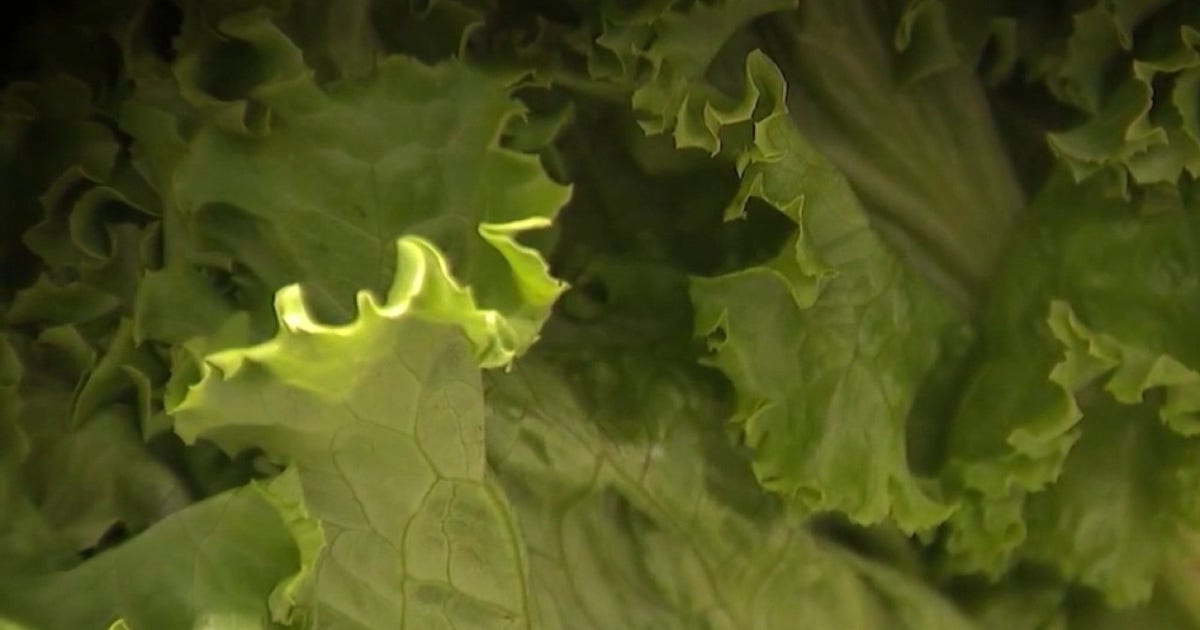
"There is clearly a linked outbreak happening right now," said Dr. Natasha Bagdasarian, Michigan's chief medical executive, pointing to the tight cluster of cases in the state. Federal officials have not identified the source. Cyclospora outbreaks are historically traced to contaminated fresh produce irrigated with tainted water — past U.S. clusters have been linked to Guatemalan raspberries in 1997 and Mexican basil in 2019 — but investigators have not pinned down a culprit this time. Dianna Blau, who leads the CDC's parasitic diseases work, said there is no indication the parasite has evolved to become more infectious.
The timing has raised alarm among public health experts because it collides with federal workforce reductions that have thinned the ranks of disease investigators. With no confirmed common food source, health departments are urging Americans to wash fruits and vegetables thoroughly, though officials caution that rinsing does not guarantee removal of the resilient parasite. Anyone experiencing prolonged, watery diarrhea is advised to see a doctor, since cyclosporiasis requires specific testing and does not respond to the antibiotics used for common bacterial infections.