ICC Says It Now Has 'Concrete Evidence' Tying RSF Leaders to Darfur War Crimes
A deputy prosecutor describes a breakthrough in the Sudan investigation, citing witness accounts, forensic proof and video of executions and sexual violence.

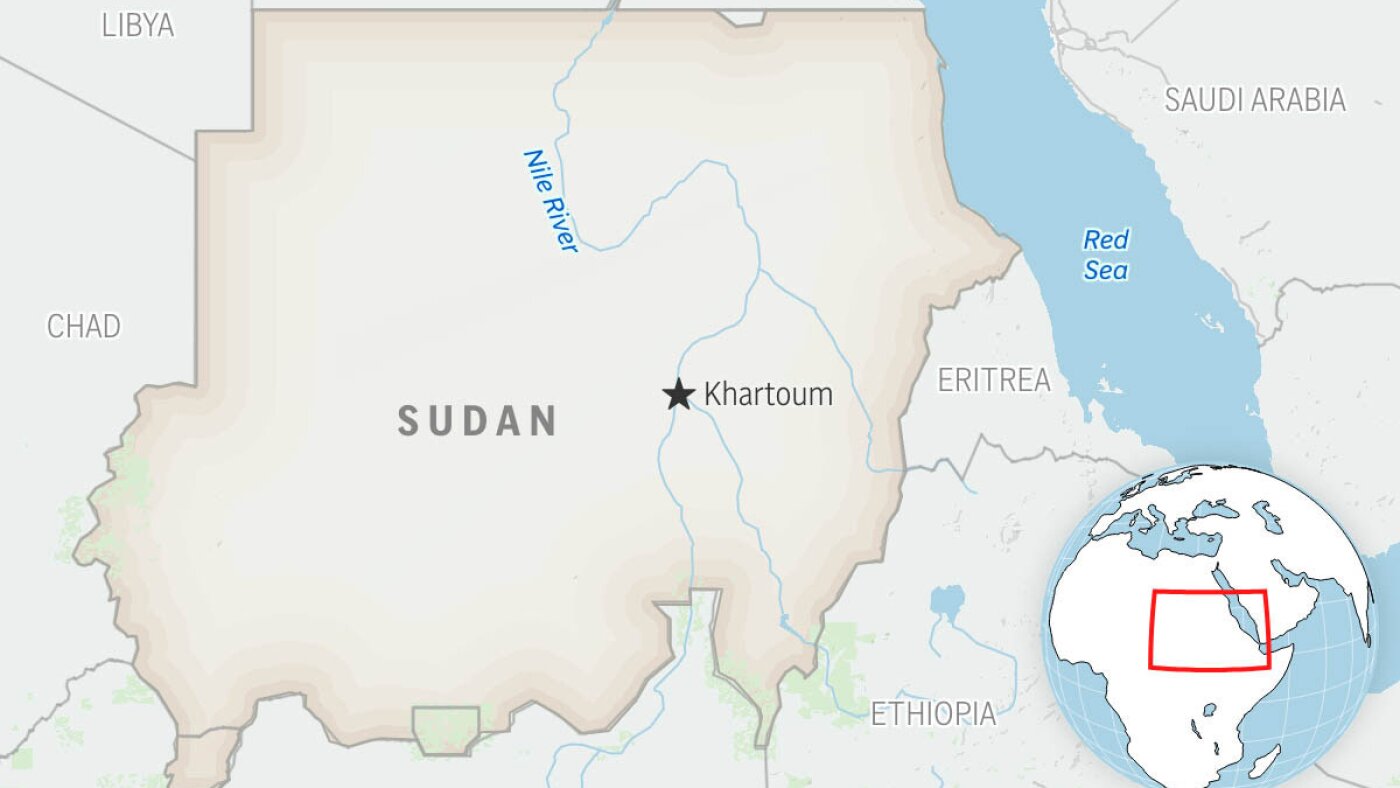
THE HAGUE — International Criminal Court prosecutors say they have made a breakthrough in their investigation into atrocities in Sudan's Darfur region, gathering what one senior official called "concrete evidence" linking leaders of the paramilitary Rapid Support Forces to war crimes.
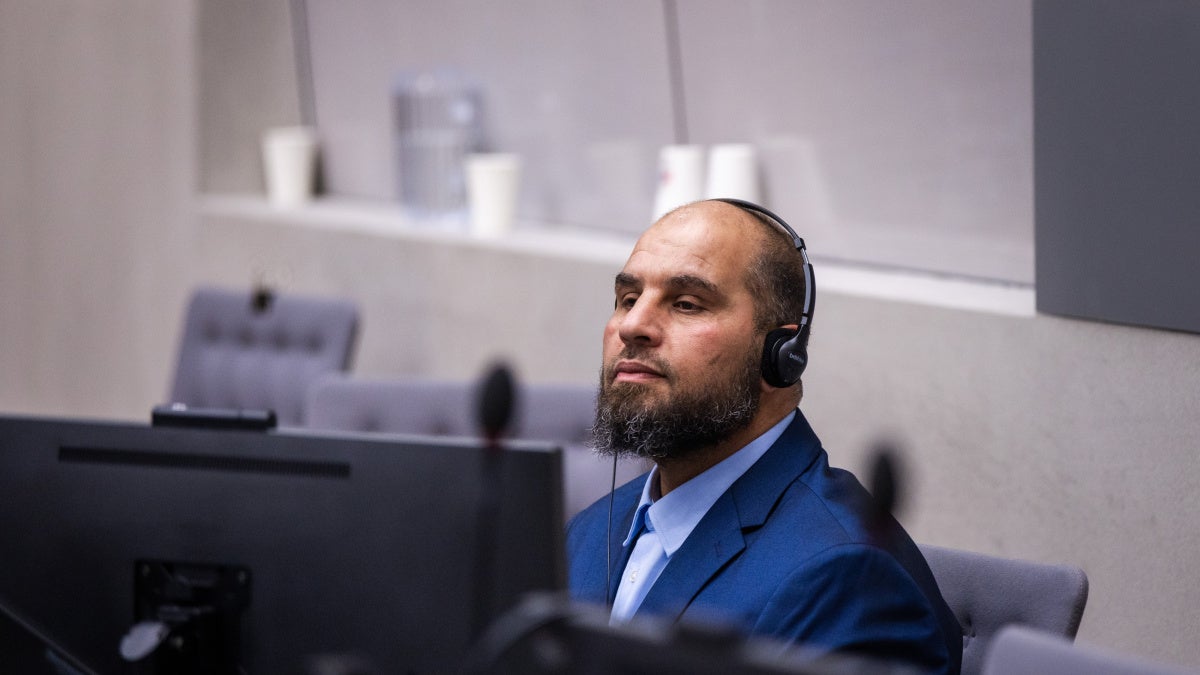
Deputy Prosecutor Nazhat Shameem Khan said the evidence now reaches the top of the RSF's command structure. "We have strong evidence, linking what is occurring in Darfur with leadership levels," Khan said following a visit to eastern Chad, where she met survivors who had fled across the border. She said the material includes witness accounts, testimonials, videos, photographs and forensic evidence, with witnesses describing executions and sexual violence.
The court is investigating attacks on the western Darfur city of al-Geneina in 2023 and on al-Fashir, the last major army stronghold in the region, over the past year. United Nations experts have said forces from the RSF committed crimes bearing the "hallmarks of genocide" against people from non-Arab tribes, echoing the ethnic massacres that first drew the ICC to Darfur two decades ago. The RSF grew out of the Janjaweed militias blamed for the killings of the mid-2000s.
Sudan has been torn apart since April 2023 by a war between the RSF, led by Gen. Mohamed Hamdan Dagalo, and the Sudanese army under Gen. Abdel Fattah al-Burhan. The conflict has killed tens of thousands of people, driven more than 12 million from their homes and created what aid agencies describe as the world's largest hunger crisis. Both sides have been accused of abuses, but international monitors have singled out the RSF for the scale of atrocities in Darfur.
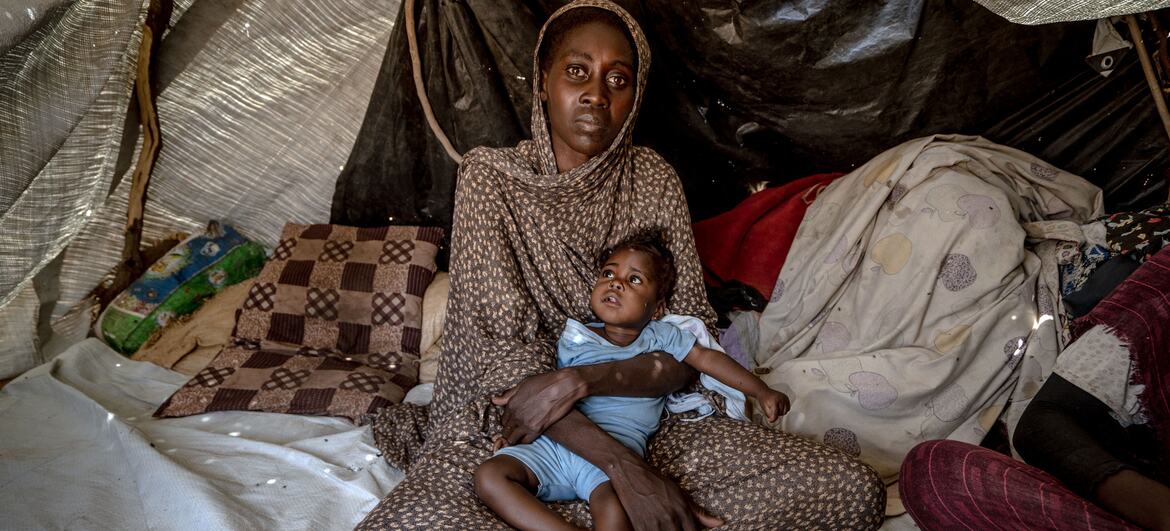
The humanitarian catastrophe has only deepened. The siege and eventual fall of al-Fashir cut off hundreds of thousands of civilians from food and medical care, and aid agencies say famine has taken hold in parts of Darfur and the Nuba Mountains, with children dying of malnutrition faster than relief convoys can reach them. Satellite imagery and survivor testimony have documented mass graves, burned villages and columns of displaced families fleeing toward Chad, where Khan met some of them. Rights groups have accused both the RSF and the army of blocking humanitarian access, turning starvation into a weapon of war.
Khan, who delivered the ICC's 42nd report to the U.N. Security Council in January, said court rules prevented her from disclosing whether arrest warrants had been sought or against whom. Still, her comments signal that the long-stalled Darfur file — first opened in 2005 — may be moving toward charges. "We will get there," she said of holding perpetrators accountable, offering a rare note of momentum in a case that survivors have waited nearly 20 years to see advance.