NATO Bows to Trump in Ankara, Pledging $50 Billion in New Arms and Faster Spending
Under heavy pressure from President Trump, alliance leaders unveiled more than $50 billion in new weapons purchases and reaffirmed a path toward 5% of GDP on defense by 2035.

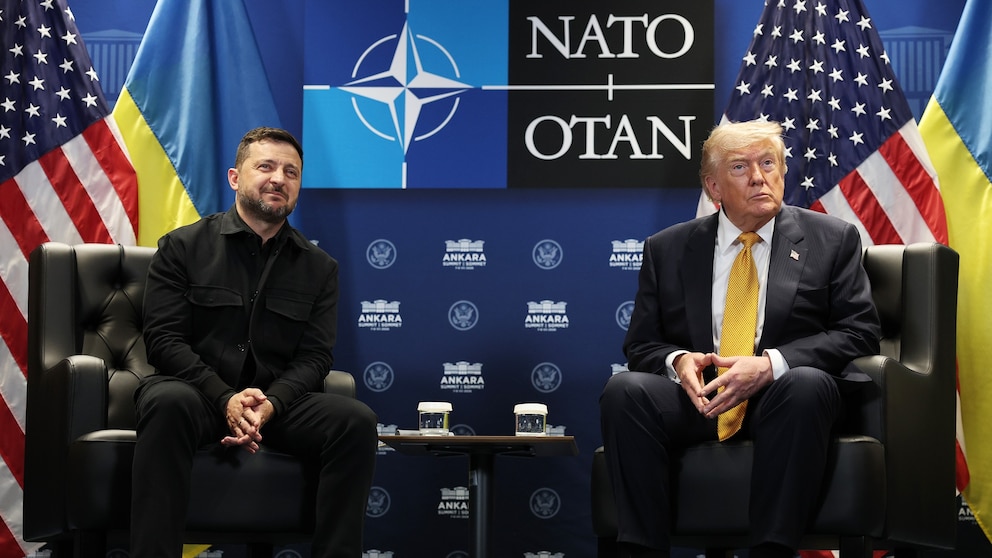
NATO leaders wrapped up their summit in Ankara this week by handing President Donald Trump much of what he had demanded, unveiling more than $50 billion in new weapons procurements and recommitting to a spending trajectory that would push allied defense budgets far above their traditional levels.
The headline pledges centered on rebuilding the alliance's arsenal and industrial base. Members agreed to prioritize purchases in deep precision strike, integrated air and missile defense, uncrewed systems, cutting-edge technologies and intelligence capabilities — categories NATO planners say have been badly stretched by years of arming Ukraine. At Trump's urging, the alliance also reaffirmed a target set a year earlier: lifting spending toward at least 5% of GDP by 2035, split between 3.5% on core defense and 1.5% on broader defense-related investment such as infrastructure and cybersecurity.
The gap between promises and delivery, however, remains stark. Only five of NATO's 32 members are projected to hit the 3.5% core-defense benchmark in 2026, underscoring how far most European governments still have to travel. Trump, who has long accused allies of freeloading on American power, used the Ankara gathering to press for enforcement of the commitments he extracted in previous years, warning that U.S. patience for lagging partners is finite.
Beyond the topline figures, the summit produced roughly $3 billion in concrete industrial deals and joint ventures — many of them steering work toward American defense contractors. Lockheed Martin announced plans to establish a Patriot Advanced Capability-3 missile sustainment facility in Europe, Northrop Grumman signed letters of interest with 10 nations to buy MQ-4C Triton surveillance drones, and Lockheed Martin and Germany's Rheinmetall agreed to partner on producing Army Tactical Missile System munitions on European soil. The White House cast the agreements as proof that higher allied spending translates directly into orders for U.S. industry.
Ukraine remained central to the talks. The alliance pledged roughly 70 billion euros, about $80 billion, in continued assistance to Kyiv, signaling that support will persist even as Washington pushes European capitals to shoulder more of the load. That balance — keeping Ukraine armed while shifting the financial center of gravity toward Europe — reflects the delicate arithmetic NATO is trying to manage under a U.S. president openly skeptical of open-ended commitments.
Held in Turkey, a member that has often played spoiler within the alliance, the summit also served as a stage for Trump's transactional style of diplomacy, rewarding allies who spend and prodding those who do not. For NATO, the message from Ankara was unmistakable: the price of keeping the United States firmly inside the alliance is measured in tens of billions of dollars and rising.