U.S. Pounds More Than 80 Iranian Targets After Tankers Burn in the Strait of Hormuz
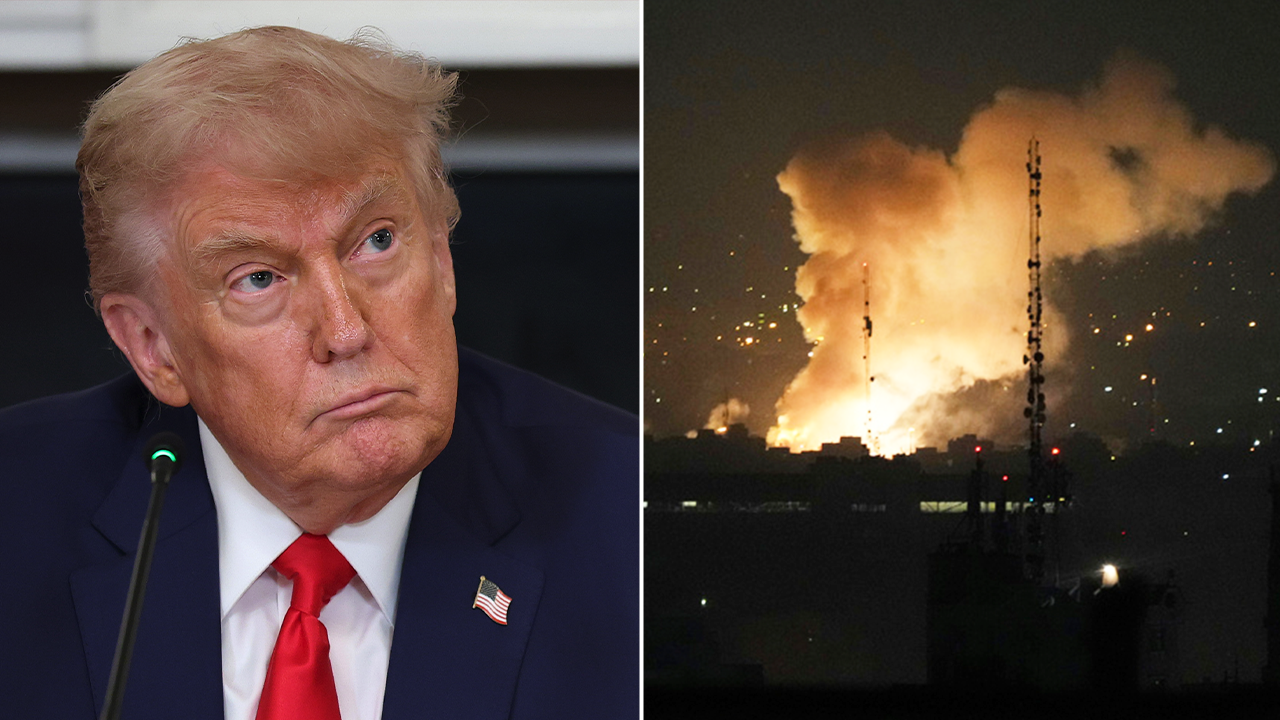
President Trump, at the NATO summit in Ankara, declared the month-old ceasefire 'over' as Central Command struck air defenses, radar sites and roughly 60 Revolutionary Guard boats. Iran fired projectiles toward Bahrain and Kuwait and shot down a U.S. drone.
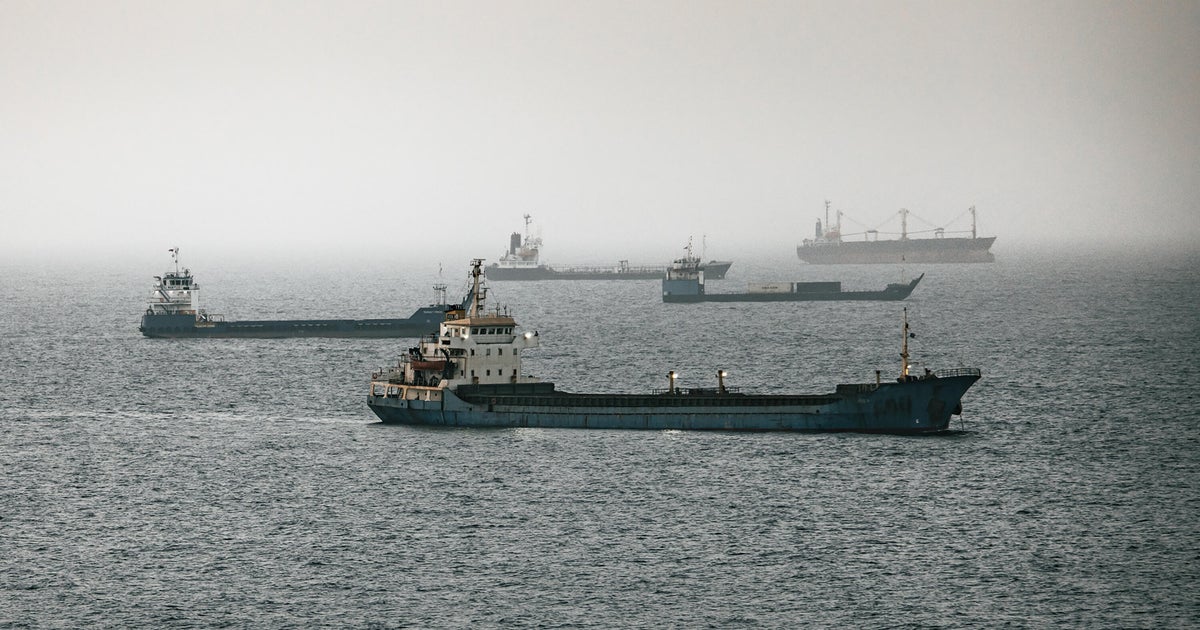
U.S. Central Command launched what it called a series of "powerful strikes" against Iran this week, hitting more than 80 objectives across the country's south in retaliation for a wave of attacks on commercial shipping in the Strait of Hormuz — the narrow chokepoint through which roughly a fifth of the world's oil passes.
The strikes, carried out late Tuesday, targeted Iranian air defenses, radar installations, anti-ship missile batteries and more than 60 small boats operated by Iran's Islamic Revolutionary Guard Corps, according to Central Command. They came after three vessels were struck in the strait on July 7: the Qatar-flagged liquefied-natural-gas tanker Al-Rekayat, whose engine room caught fire after a projectile hit; the Saudi-flagged crude supertanker Wedyan; and a third tanker that sustained minor structural damage in a drone strike.
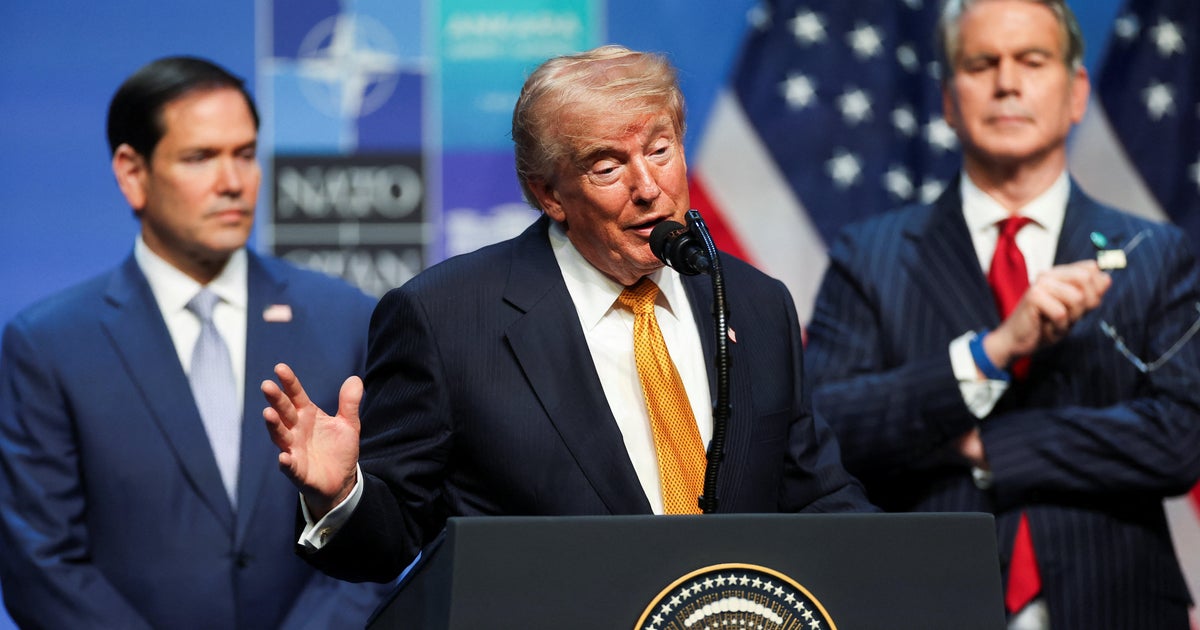
President Trump, in Ankara for a NATO summit, seized on the ship attacks to declare that a memorandum of understanding Washington and Tehran had signed the previous month was finished, branding Iranian authorities "sick" and "scum." Asked about further military options, Trump told reporters the United States could escalate at will. "We can knock down their bridges in one hour. We can knock out their energy supply," he said, adding that the American response had already hit Iran roughly "20 times harder" than Iran's own strikes.
Iran denied direct responsibility for the tanker attacks even as it responded to the U.S. barrage. The Revolutionary Guard and the regular Iranian army launched projectiles toward Bahrain and Kuwait — both home to U.S. and allied forces — and shot down an American drone, according to officials tracking the exchange. Tehran's negotiators accused Washington of shredding the ceasefire first. "During the negotiations, I made it clear to the U.S. vice president that we have no trust in you," Iran's top negotiator, Mohammad Bagher Ghalibaf, said Friday, describing the Iranian side as "distrustful of the Americans."
The Trump administration piled on economic pressure alongside the military action, with the Treasury Department revoking a waiver that had permitted Iranian oil sales — a revenue stream Tehran had won in the earlier talks — and imposing fresh sanctions following the strait attacks. Washington has also weighed reimposing a naval blockade to police freedom of navigation.
Mediators spent the days that followed scrambling to keep the confrontation from tipping into open war. The escalation has unsettled energy markets and rattled Gulf capitals, where officials fear their territory could be drawn into a wider fight. As of the weekend no verified casualty figures had been released for either the strikes or the ship attacks, and diplomats were working to revive talks that only weeks ago appeared to have paused the fighting.