China Lands a Reusable Rocket for the First Time, Narrowing SpaceX's Long Lead
The Long March 10B's booster returned to a floating platform after reaching orbit, a milestone Beijing has chased for years as it races the U.S. back to the Moon.

China recovered the first stage of an orbital rocket for the first time on Friday, a long-sought milestone that narrows the gap with SpaceX and signals that Beijing is closing in on the reusable-launch technology at the heart of the modern space race.
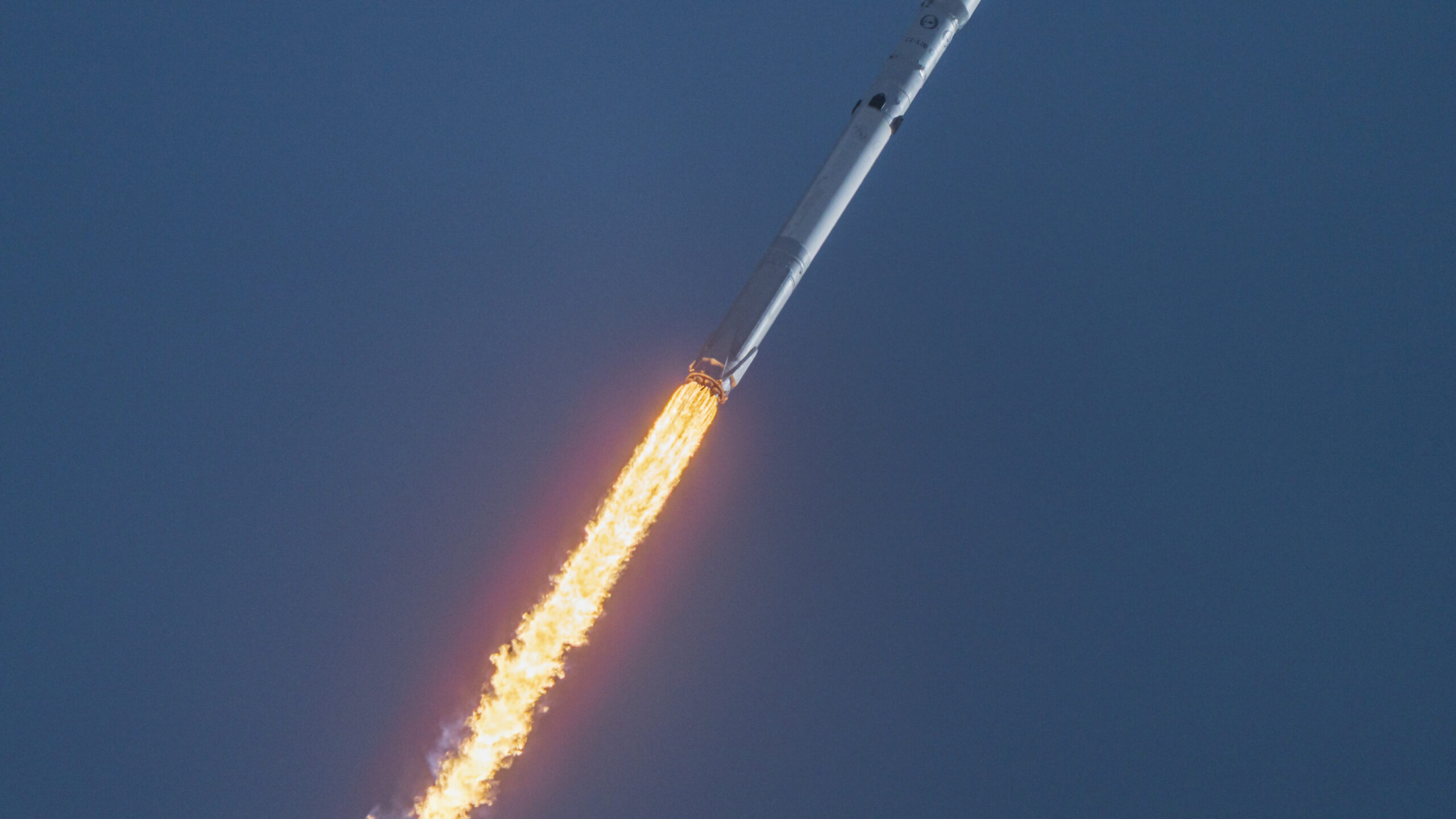
The Long March 10B lifted off from the Hainan Commercial Space Launch Site in southern China in the early hours and, according to state broadcaster CCTV, deployed its payload into orbit. Roughly six minutes after the first and upper stages separated, the booster descended and returned to a floating platform at sea — an intact recovery of the kind that has made SpaceX's Falcon 9 the workhorse of global launch.
Rather than the landing legs SpaceX pioneered, China used a sea-based system of hooks and a net to catch the returning booster, according to Chinese engineers. The China Aerospace Science and Technology Corporation called the flight a 'historic breakthrough' in the country's reusable-rocket program and said the same booster could be reflown before the end of the year — the true test of reusability, which turns rockets from single-use hardware into something closer to airplanes.
Reusability is the economic engine of the new space age. By recovering and reflying boosters, SpaceX slashed the cost of reaching orbit and now dominates commercial launch, lofting the bulk of the world's satellites. Chinese state planners have made catching up a national priority, seeing cheap, frequent access to space as essential to building out satellite mega-constellations and supporting an ambitious crewed lunar program.
The achievement lands amid rising talk of a superpower contest beyond the atmosphere. NASA Administrator Jared Isaacman has warned that the United States is 'very much in a space race' with China, which aims to put astronauts on the Moon before the end of the decade and eventually build a base near the lunar south pole, where deposits of water ice could sustain long-term missions.
Analysts cautioned that a single successful recovery is a beginning, not a finish line: SpaceX flies and refurbishes boosters routinely, something no Chinese program has yet demonstrated at scale. But Friday's flight proved the hardest part is now within reach for Beijing, and it puts a second nation on the short list of those that can land what they launch.