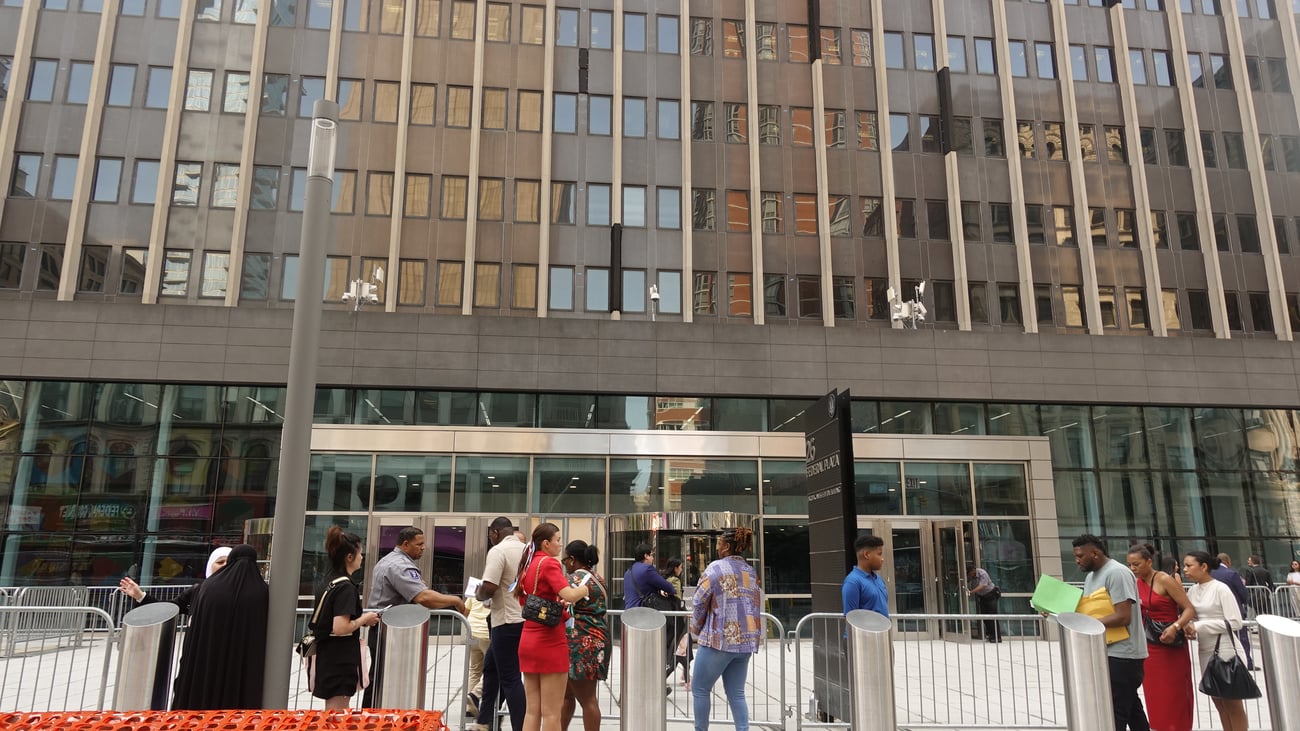
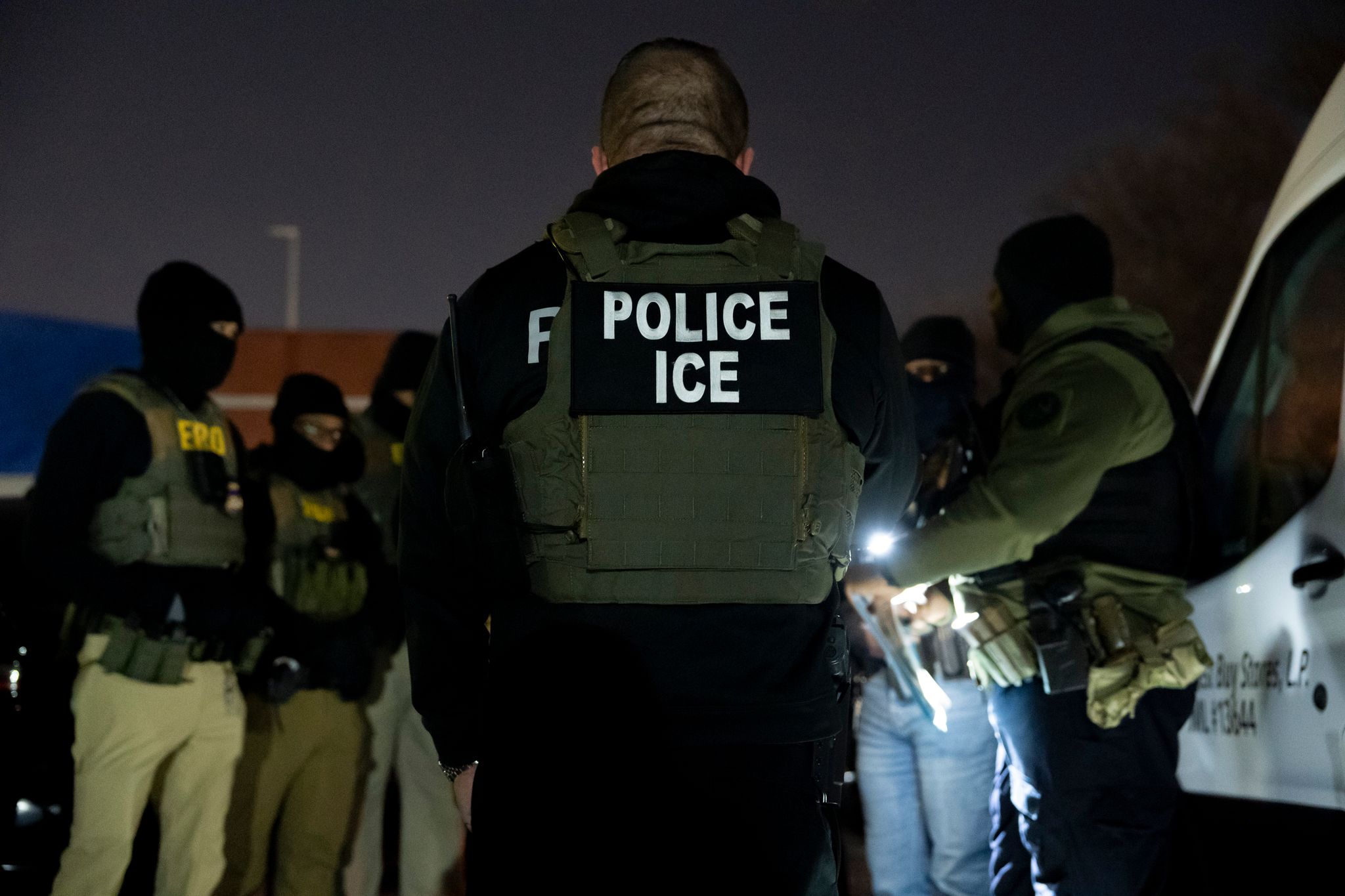
Federal Judge Voids ICE Courthouse Arrests and Its 72-Hour Detention Rule Nationwide
In a 71-page opinion, U.S. District Judge P. Casey Pitts vacated three Trump-era policies as unlawfully adopted, restoring the agency's longstanding 12-hour limit on short-term holding.
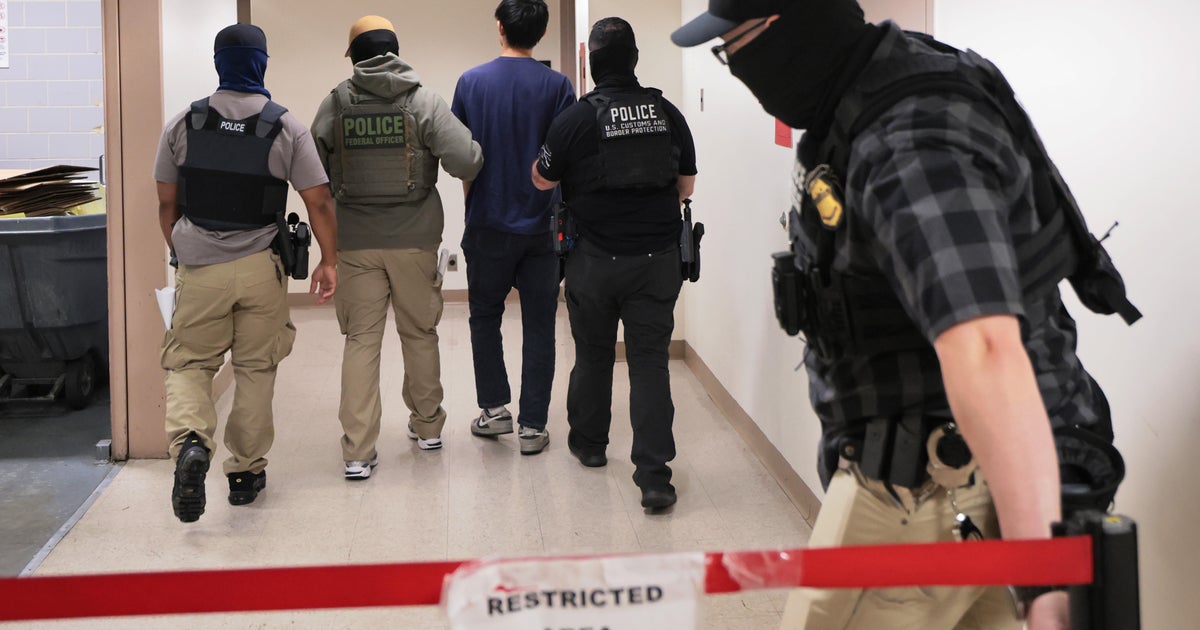
A federal judge has struck down a set of Trump administration immigration policies nationwide, voiding both the practice of arresting migrants at courthouses and a rule that had allowed Immigration and Customs Enforcement to hold people in short-term facilities for up to 72 hours.
In a 71-page opinion, U.S. District Judge P. Casey Pitts of the Northern District of California found that the policies had been adopted without the reasoned explanation federal law requires, calling the government's justification insufficient under the Administrative Procedure Act. Rather than merely block enforcement, the judge vacated the policies outright — a remedy that erases the rules themselves rather than simply limiting how they can be applied.
The case was brought by a group of asylum seekers who challenged policies rolled out in 2025 that stripped longstanding restrictions on civil immigration arrests at or near courthouses, including immigration courts, and a separate waiver that extended the agency's short-term detention limit from 12 hours to 72. Immigrant advocates had argued the changes were designed to make it easier to detain people who showed up for their own hearings, discouraging them from appearing in court at all.
Judge Pitts found the agency had failed to grapple with "important aspects of the problem," including the risks tied to holding people in facilities never meant for overnight stays and whether less aggressive alternatives, such as simply making fewer arrests, were available. The ruling restores the agency's traditional 12-hour cap on short-term holding and reinstates limits on courthouse arrests across the country.
The decision is a significant setback for an administration that has made ramped-up interior enforcement a centerpiece of its immigration agenda. Officials have argued that courthouse arrests are safe and efficient because people entering courtrooms have already been screened for weapons, and that extended holding times are sometimes necessary to arrange transfers. Critics counter that the tactics sow fear and deter victims, witnesses and immigrants with pending cases from participating in the legal system.
The ruling applies nationwide, an increasingly contested feature of such cases. The Supreme Court has expressed skepticism of sweeping, universal remedies in other disputes, and the administration is widely expected to appeal, potentially setting up another clash over how far a single district judge's order can reach.
For now, the practical effect is immediate: ICE may not resume courthouse arrests under the vacated policies, and detainees cannot be held in short-term facilities beyond the 12-hour limit. The outcome adds to a growing body of litigation testing the legal boundaries of the administration's enforcement push, and it underscores how often those efforts are being slowed not by Congress, but by the courts.