The Alzheimer's Protein Tau Has a Hidden Day Job: Locking In Long-Term Memories
A study in mice finds that tau — infamous for the tangles it forms in dementia — is essential during a brief window for turning fresh experiences into durable memories, reframing how scientists think about the protein.
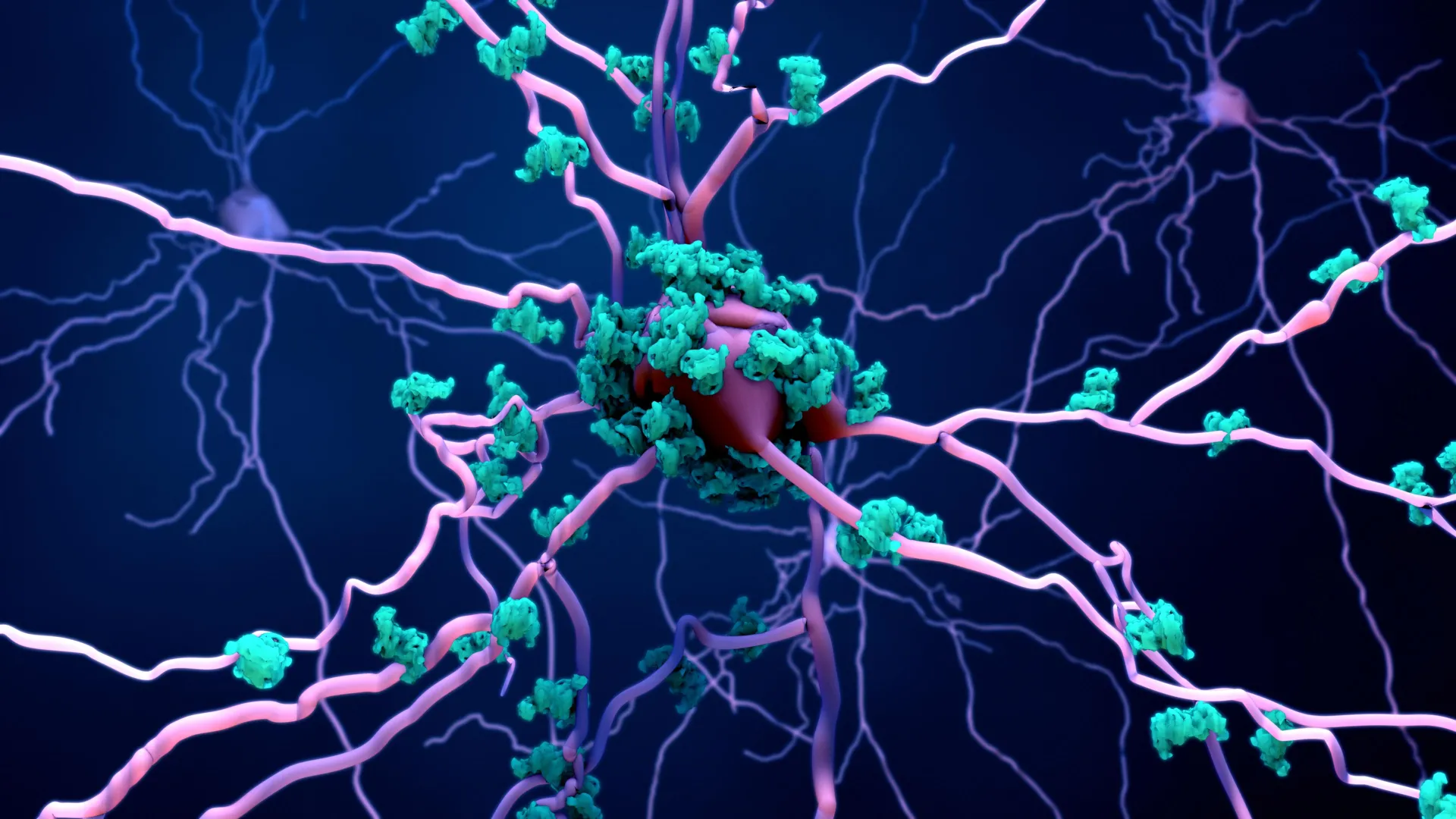
The protein tau is best known as a villain: in Alzheimer's disease it clumps into toxic tangles that choke off brain cells. But new research finds that tau also has a surprising and essential day job — helping the brain turn fleeting experiences into lasting memories.
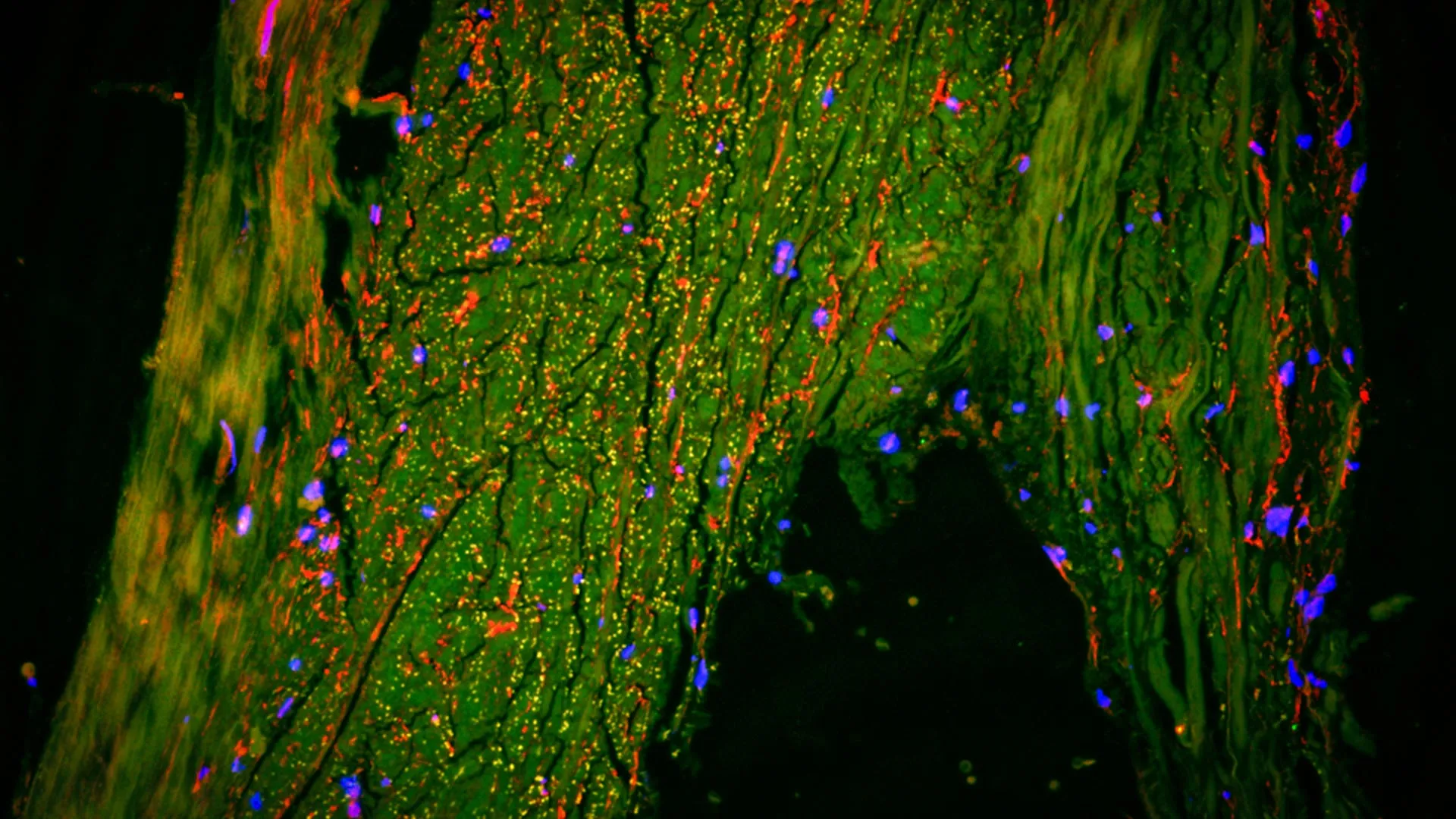
The study, led by Flinders University in collaboration with the University of New South Wales and Macquarie University and published in Nature Communications, shows that tau acts during a critical window when a memory is first being encoded, helping to organize the brain's memory-storing cells and determine which of them will hold onto a given experience.
Working with mice, the researchers focused on what neuroscientists call "remote memory" — recollections recalled days or weeks after an event, rather than immediately. They found that tau was not required for initial learning or for short-term recall. Instead, it proved critical for ensuring that memories remained strong over the long haul, acting like a molecular stagehand that sets up the cellular machinery of lasting recall.
That distinction matters. It suggests tau's normal role is tied specifically to the consolidation of durable memories, the process by which the brain converts a fresh experience into a stable trace. By pinpointing when and where tau does this work, the team has begun to map a function that had been overshadowed by the protein's darker reputation.
The findings also cast Alzheimer's in a new light. If healthy tau is essential for locking in memories, then abnormal tau may do double damage — not only disrupting the formation of new memories but also corrupting the recall of existing ones. That could help explain the profound and progressive memory loss that defines the disease.
The authors caution that the work was done in mice and that the human brain is far more complex, but they say the results could guide future approaches to treating memory loss in dementia. Rather than simply trying to clear tau tangles, therapies might one day aim to preserve or restore tau's healthy function during the brain's memory-encoding window — turning a notorious culprit back into the helper it was meant to be.
The finding complicates a decades-long drug-development strategy that has largely treated tau as something to be removed. If the protein is doing essential work in healthy neurons, then blunt approaches that strip it away could carry costs of their own, the researchers note. The team now hopes to trace the precise molecular steps by which tau organizes memory-storing cells, work that could reveal when in the slide toward Alzheimer's the protein tips from helper to saboteur — and whether that turning point can be caught in time.