An Experimental Drug Reversed Severe Fatty Liver Disease by Fixing the Gut, Not the Liver
In animal models, a glycine-based tripeptide called DT-109 healed the intestinal barrier and rolled back MASH — a dangerous form of fatty liver disease that affects roughly 7% of people worldwide.
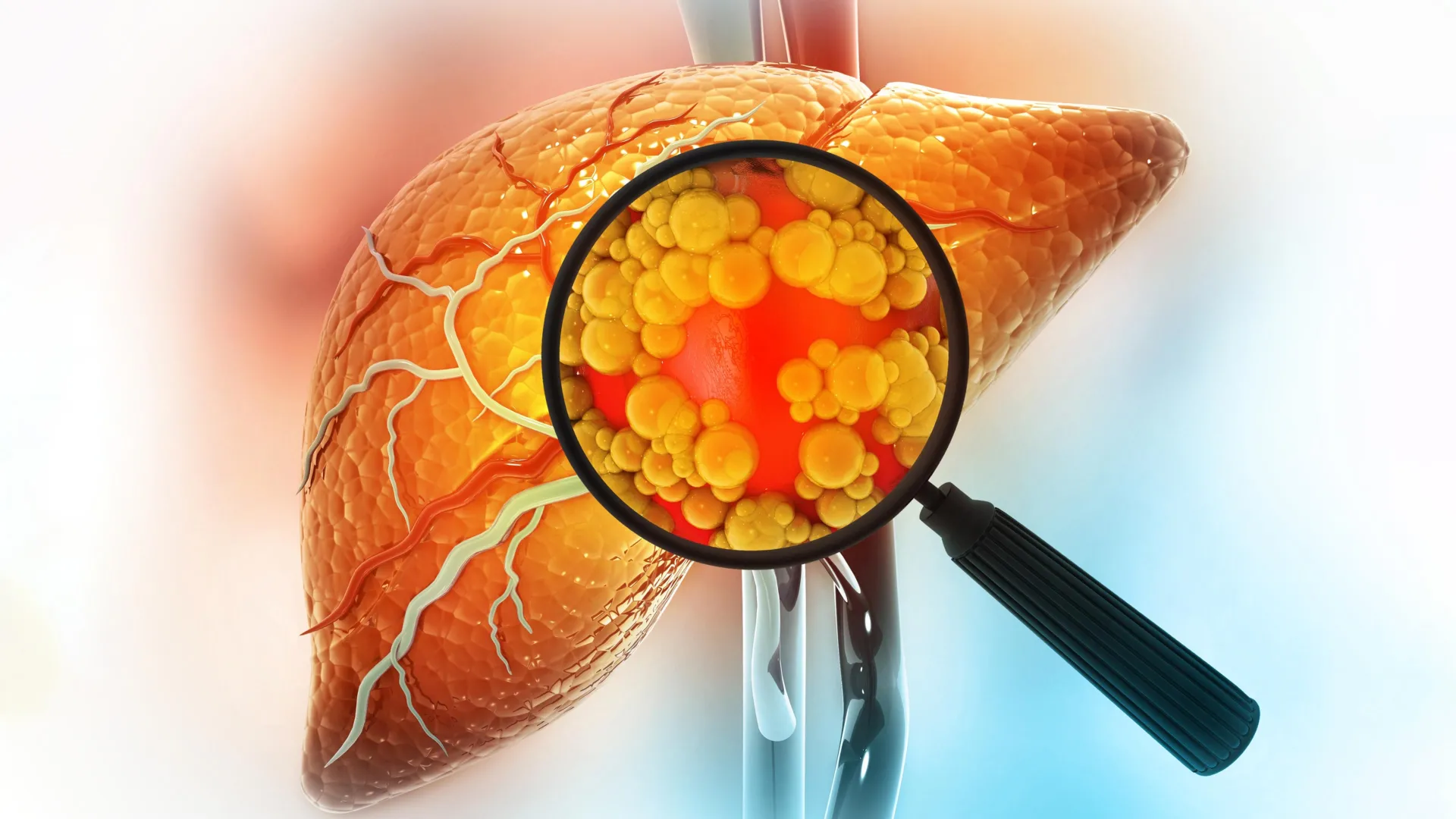
An experimental drug reversed severe fatty liver disease in animal studies not by acting on the liver directly, but by repairing the gut — a strategy that researchers say points to a new way of thinking about one of the world's most common metabolic illnesses.
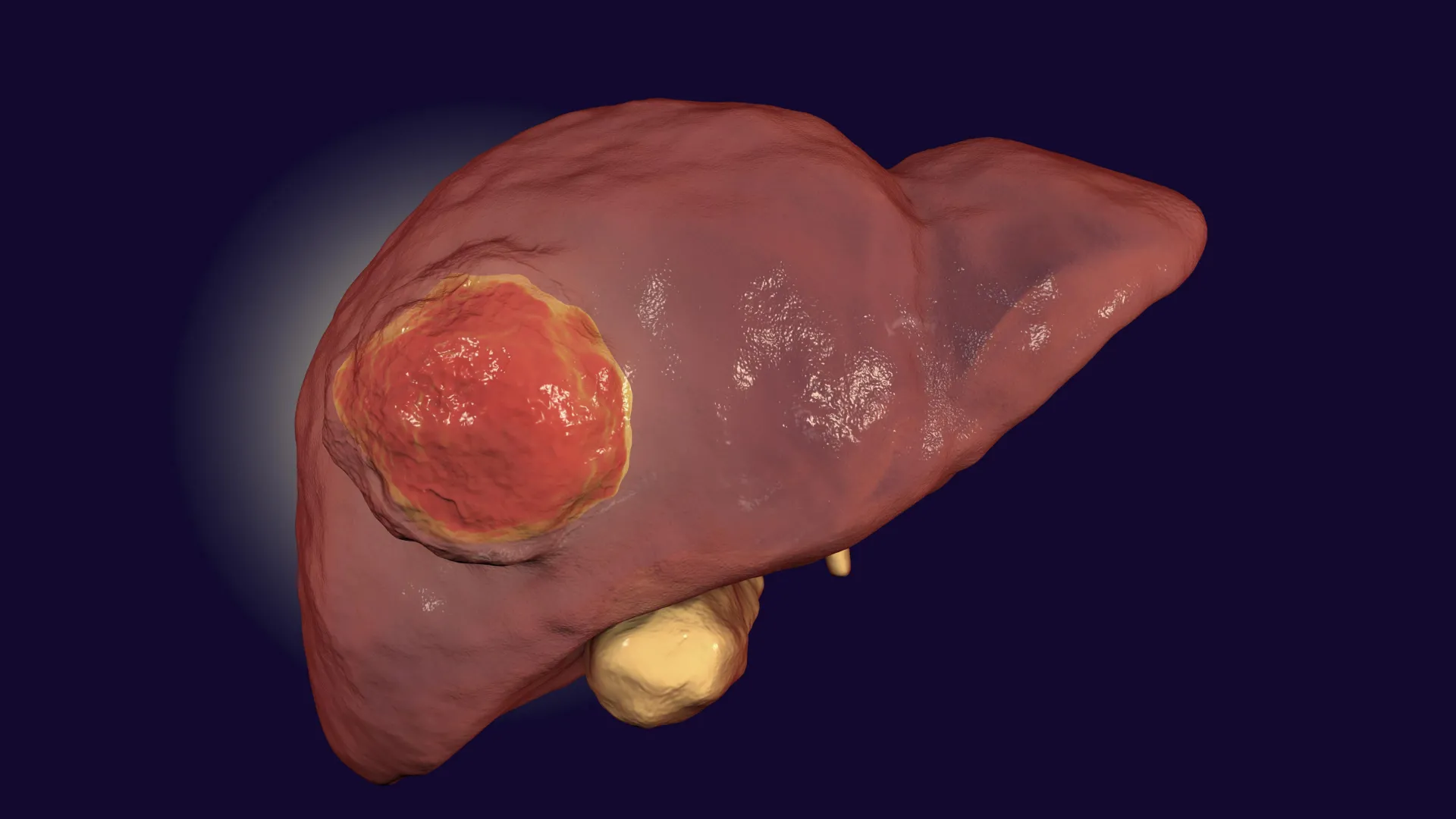
The compound, a glycine-based tripeptide called DT-109, rolled back metabolic dysfunction-associated steatohepatitis, or MASH, in animal models. MASH is a serious, advanced form of fatty liver disease marked by inflammation and scarring that can progress to cirrhosis and liver failure. It affects an estimated 7% of people worldwide, and effective treatments have been scarce, making the disease a major and growing burden on health systems.
The findings, published in The Journal of Clinical Investigation, center on the so-called gut-liver axis — the biological traffic between the intestines and the liver. In MASH, a leaky or damaged gut barrier allows harmful microbial products to seep into the bloodstream, where they reach the liver and help drive the inflammation and injury that define the disease. Rather than trying to mop up that damage in the liver, DT-109 works upstream.
According to the research, DT-109 protects the gut's epithelial barrier — the tight lining that is supposed to keep intestinal contents where they belong. By shoring up that barrier, the drug reduces the systemic influx of the microbial products thought to fuel MASH, disrupting a disease-driving pathway that links the gut to the liver. Treat the gut, in other words, and the liver gets a chance to recover.
The animal results are an early but striking proof of concept, suggesting that targeting the connection between gut and liver could offer a promising route to treating MASH — and potentially other conditions tied to gut health. Because the approach addresses a root mechanism rather than a downstream symptom, the researchers argue it could open the door to an entirely new class of therapies.
As with any preclinical discovery, important caveats remain. The work was done in animal models, and success there does not guarantee the drug will prove safe and effective in people; human trials would be needed to establish dosing, safety and real-world benefit. Still, for a disease that afflicts a sizable share of the global population and has long lacked good options, a candidate that reverses severe liver damage by mending the gut represents an intriguing shift in strategy — and a reminder that the path to a healthier liver may run through the intestines.