A 'Backup' Immune Cell Could Keep mRNA Cancer Vaccines Working When the Main One Fails
WashU scientists expected their mRNA vaccine to flop in mice missing the dendritic cells thought to be essential. Instead a related cell stepped in — overturning a core assumption and pointing toward sturdier shots.
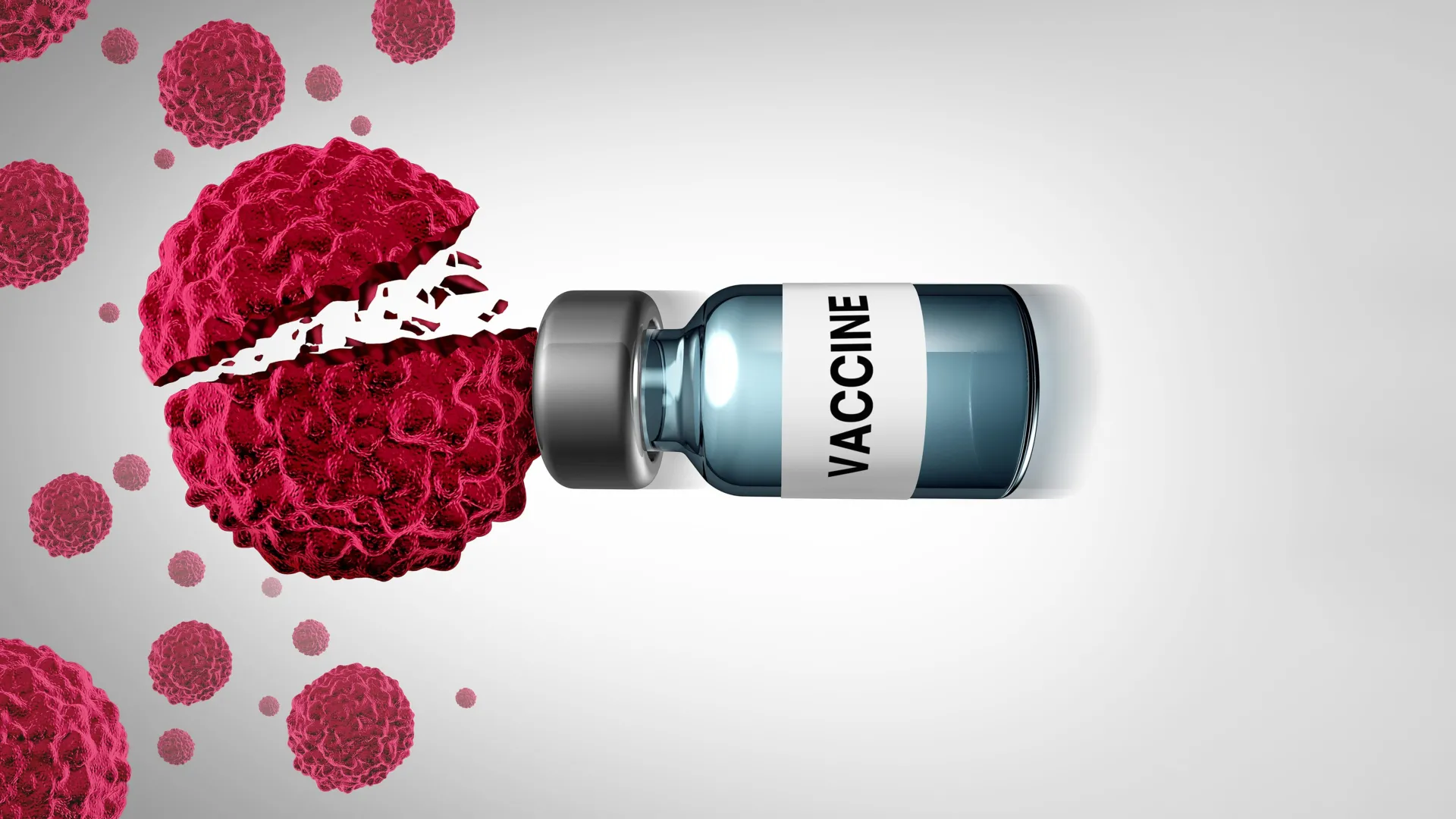
A discovery about the inner workings of mRNA cancer vaccines has upended a long-held assumption in immunology and could point the way to more powerful and more reliable treatments, researchers at Washington University in St. Louis reported.
For years, scientists believed that a specific immune cell — the classical type 1 dendritic cell, or cDC1 — was the primary, and possibly the only, cell capable of activating the cancer-killing T cells that mRNA vaccines are designed to summon. Dendritic cells act as the immune system's messengers, capturing fragments of a threat and presenting them to T cells to launch a targeted attack. The prevailing view held that without cDC1 cells, an mRNA cancer vaccine would essentially have no way to do its job.
The WashU team set out to test that assumption directly. Working in mice engineered to lack cDC1 cells, the researchers expected the mRNA vaccine to fail, producing little or no meaningful anti-tumor immune response. Instead, to their surprise, the vaccine still worked. A related cell type — the classical type 2 dendritic cell, or cDC2 — stepped in and took over the job of rallying the T cells against the tumor.
The finding reveals a kind of built-in redundancy in the immune system, a backup pathway that had gone unrecognized. That matters because it changes how scientists think about designing and deploying mRNA cancer vaccines, a fast-moving field that has already produced encouraging early results against stubborn cancers such as melanoma and pancreatic tumors. If a patient's cDC1 cells are scarce or impaired — as can happen in some cancers — a vaccine engineered to also engage cDC2 cells might still mount a robust attack.
The discovery could help researchers tailor vaccines to individual patients and their particular immune landscapes, potentially improving outcomes for those who might otherwise respond poorly. It also underscores how much remains to be learned about the basic biology underpinning a technology that leapt to global prominence during the coronavirus pandemic and is now being retooled to fight cancer.
mRNA cancer vaccines are not yet approved for standard oncology care, and multiple clinical trials remain underway. But each new insight into how they marshal the immune system brings the field closer to treatments that are both more effective and more resilient. By exposing a hidden second act in the immune response, the WashU study offers vaccine designers a new lever to pull — and a reminder that the body's defenses are often more versatile than the textbooks assume. The research was published in the journal Nature.