A Pesticide Marketed as Bee-Friendlier Is Scrambling Bumblebee Genes and Fertility
Georgia Tech researchers found that low doses of sulfoxaflor — a next-generation insecticide sprayed on corn and soybeans — hit bumblebees' ovaries hardest, raising fresh alarms about the fate of a key pollinator.
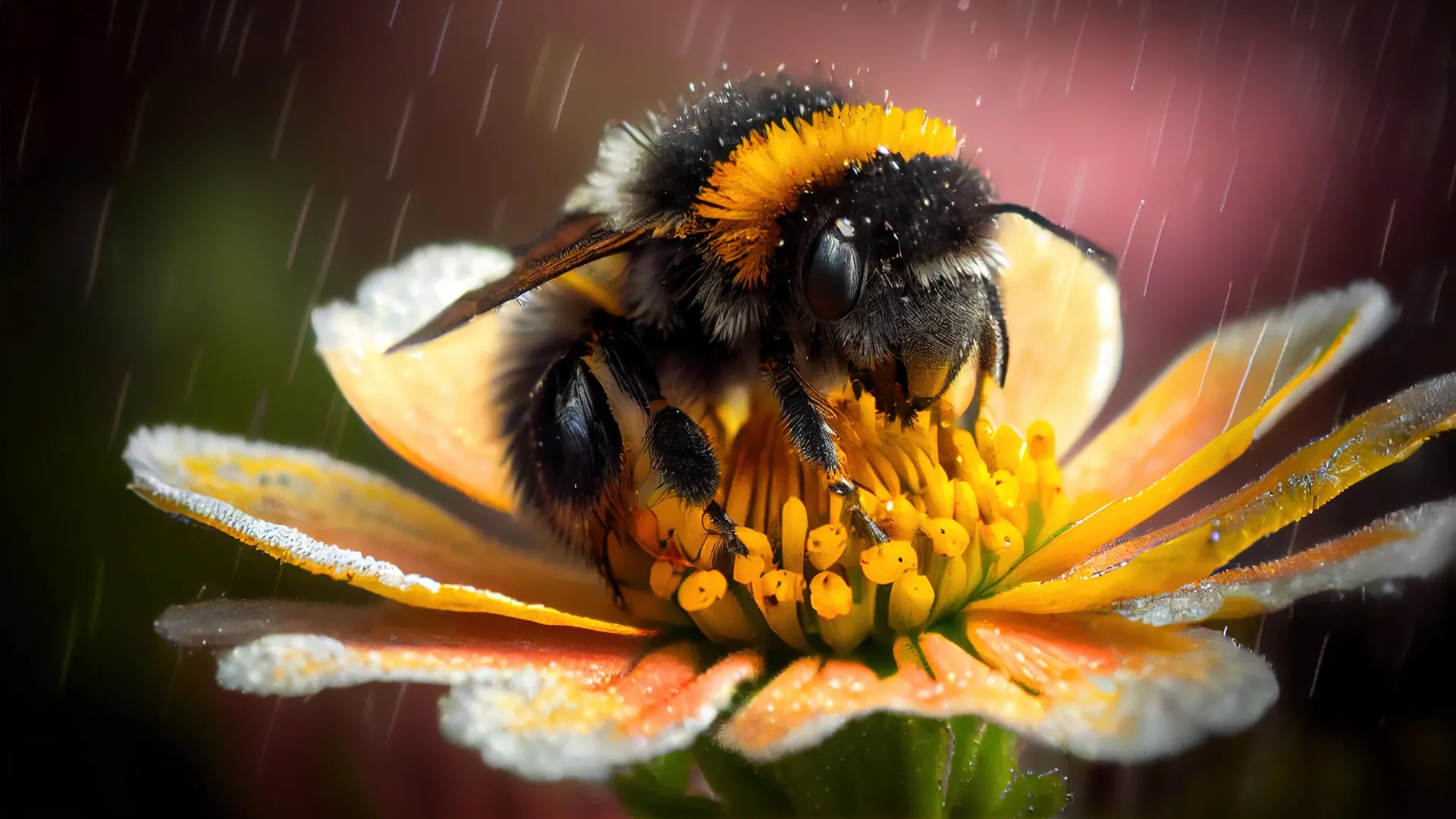
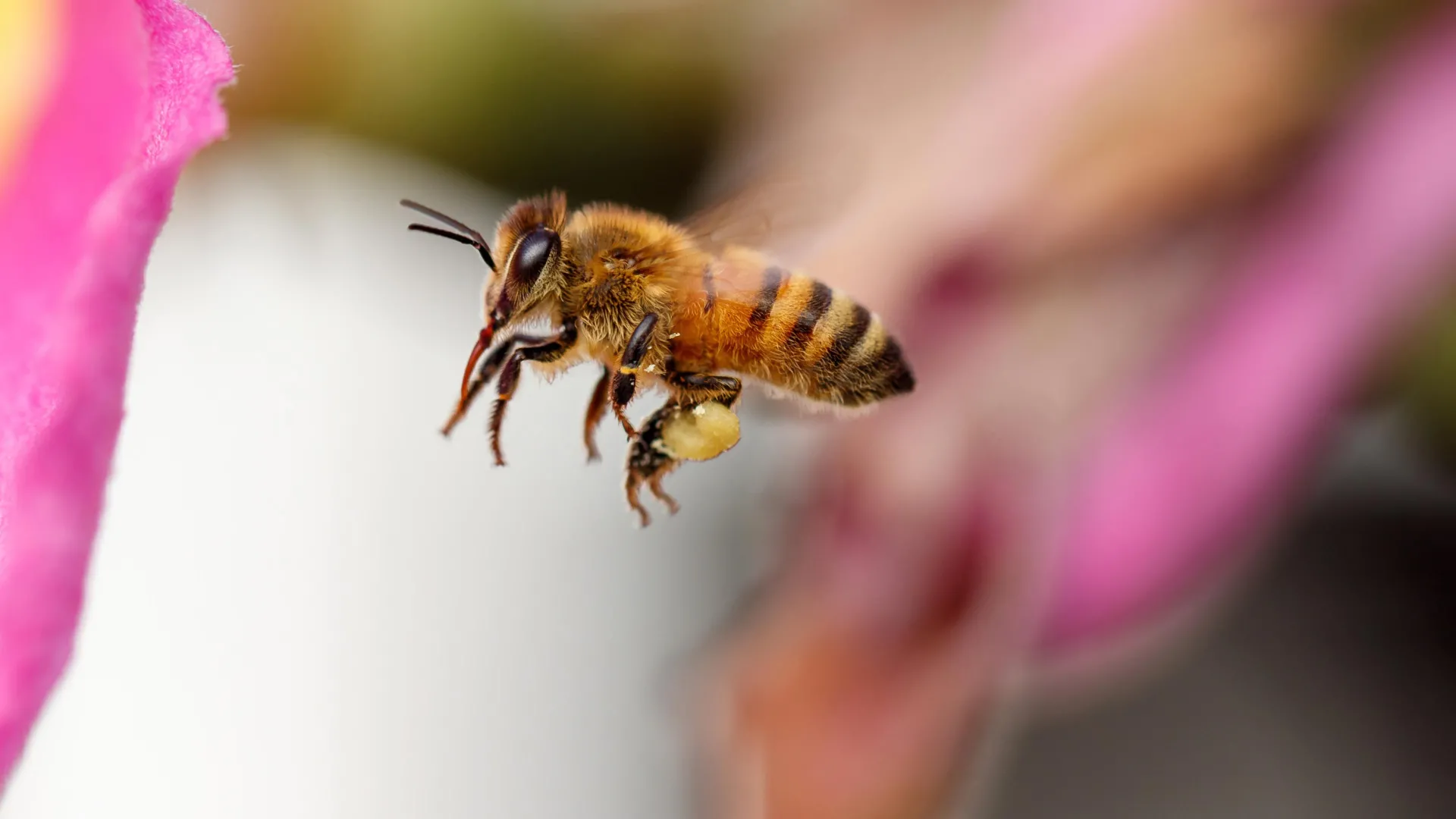
A pesticide once promoted as a safer alternative for pollinators may be quietly undermining the next generation of bumblebees, according to new research that found the chemical scrambles gene activity and impairs reproduction in the insects.
The study, conducted by scientists at the Georgia Institute of Technology and supported by funding from the U.S. Department of Agriculture, examined sulfoxaflor, a next-generation insecticide introduced in 2013 to control sap-feeding pests such as aphids on crops including corn and soybeans. Marketed as a more targeted option than older neonicotinoids, sulfoxaflor has nonetheless been shown in a growing body of research to be toxic to bees.
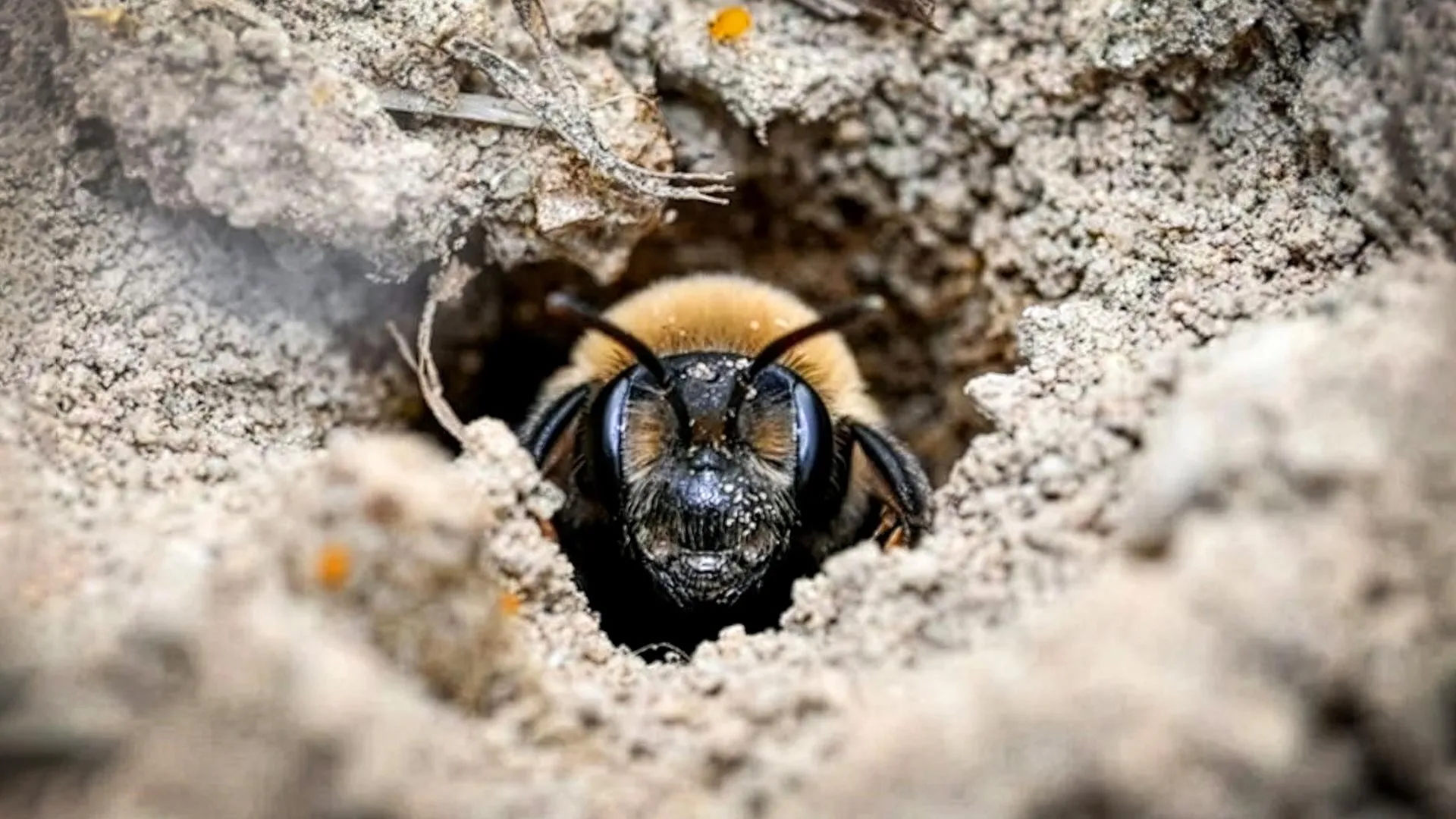
To probe how the chemical works its damage, the researchers exposed worker bumblebees of the species Bombus impatiens to low doses of sulfoxaflor and then analyzed changes in gene expression across different tissues. The results pointed to a clear and troubling target: reproduction. Ovarian tissue experienced by far the largest changes in gene activity and showed impaired development, while neural gene activity and most individual behaviors remained comparatively stable.
That pattern suggests the pesticide's toxicity in bumblebees operates primarily through reproductive and physiological pathways rather than the widespread neural disruption often associated with insecticides. In other words, exposed bees may look and act relatively normal while their capacity to produce healthy offspring is being eroded from the inside — a subtle but potentially devastating effect for colonies that depend on successful reproduction to survive.
The implications reach well beyond a single species. Bumblebees are among the most important wild pollinators for both crops and native plants, and their populations have been declining across much of North America and Europe. If a chemical marketed as comparatively benign is silently sapping their fertility, the researchers warn, it could contribute to long-term population declines that ripple through ecosystems and agriculture alike. Roughly a third of the food humans eat depends on animal pollinators, most of them insects.
The findings add to mounting scientific pressure on regulators to weigh sublethal and reproductive effects — not just outright bee kills — when approving pesticides. Sulfoxaflor's history has already been contentious, with courts and agencies in the United States repeatedly revisiting its approvals amid concerns about pollinator harm. The Georgia Tech work strengthens the case that "safer" is a relative term, and that a compound sold as gentler on bees can still threaten the tiny workers that keep crops and wildflowers alive. The study was published in the journal Ecotoxicology and Environmental Safety.