Scientists Finally Explain Why Next-Gen Batteries Fail — and How to Stop It
A Max Planck team says soft lithium 'dendrites' pierce hard ceramic electrolytes like a waterjet cutting through rock. Solving the puzzle could unlock safer, longer-lasting solid-state batteries for phones and EVs.

Researchers say they have finally cracked one of the most stubborn mysteries standing between today's lithium-ion batteries and the safer, longer-lasting solid-state cells that could power the next generation of phones and electric vehicles — and the answer may point the way to a fix.
The problem is dendrites: tiny, tree-like fingers of lithium metal that sprout from a battery's anode during charging, worm their way through the solid electrolyte, and create internal short circuits that can cause a cell to fail or even catch fire. For years, scientists have been baffled by how soft, malleable lithium could possibly punch through a hard ceramic electrolyte that is, by any ordinary measure, far tougher than the metal itself.
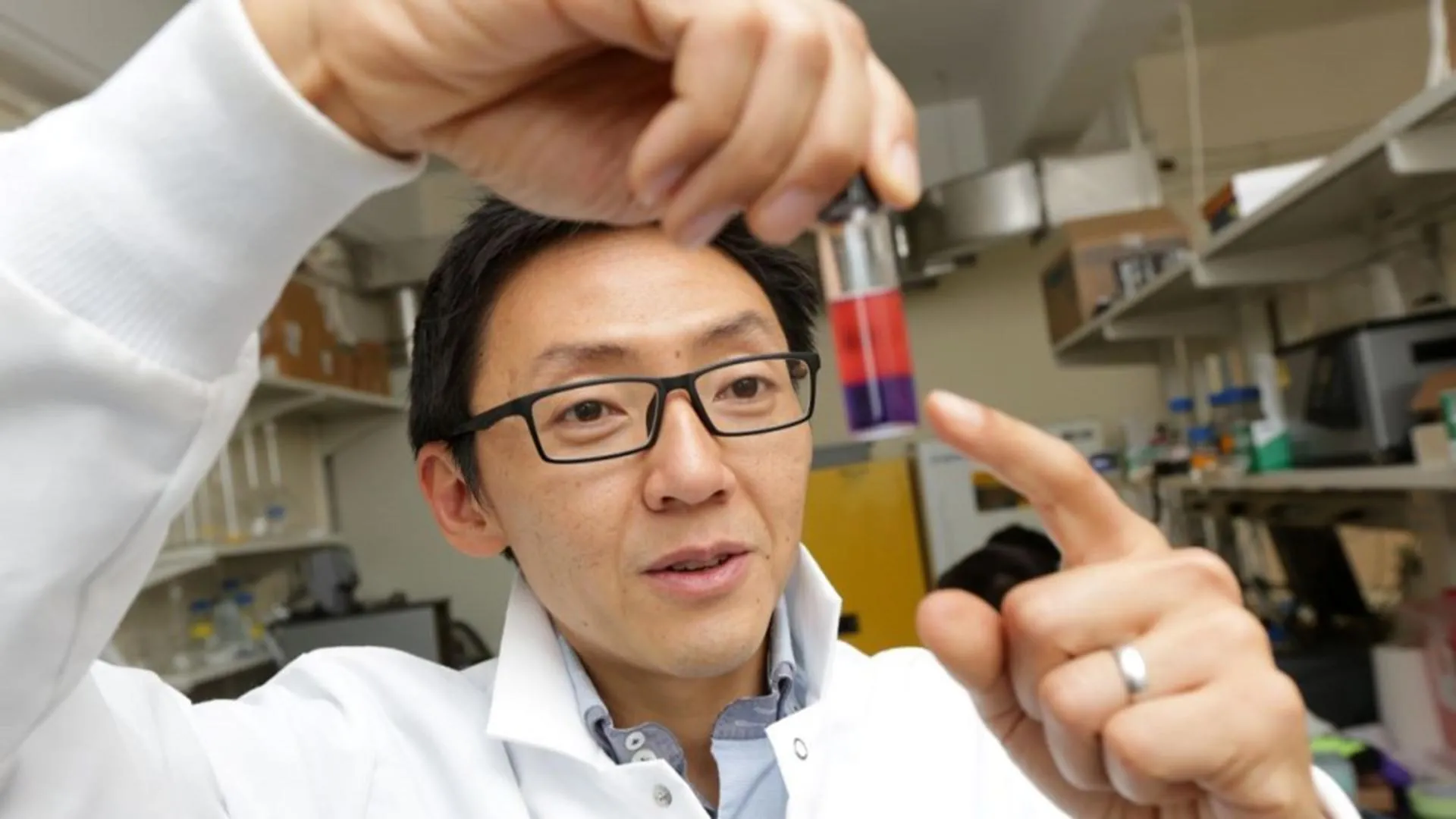
An interdisciplinary team at the Max Planck Institute for Sustainable Materials, led by Dr. Yuwei Zhang, reported in the journal Nature that the culprit is hydrostatic stress. Rather than simply pushing through the ceramic by brute force, the lithium behaves "like a continuous waterjet that penetrates a rock," the researchers found — pressure builds inside microscopic flaws in the electrolyte until cracks propagate and the metal floods in, widening the fracture as it goes.
Understanding that mechanism immediately suggests ways to defeat it. The team outlined several strategies: making the solid electrolyte tougher so it resists cracking for longer, deliberately introducing microscopic voids that redirect dendrite growth and steer cracks away from vulnerable regions, and adding protective coatings to the lithium electrode to suppress dendrite formation in the first place.
The stakes are enormous. Solid-state batteries promise higher energy density, faster charging and dramatically improved safety compared with the liquid-electrolyte cells that dominate the market today, because a solid electrolyte is far less flammable than the volatile liquids currently used. Automakers and electronics companies have poured billions into the technology, but dendrite-driven failures have repeatedly stalled efforts to commercialize it at scale.
By reframing the failure as a fracture-mechanics problem driven by internal stress rather than a simple matter of material hardness, the Max Planck work gives engineers a clearer target. If manufacturers can design electrolytes and electrodes that manage those stresses, the researchers argue, the long-promised era of cheaper, safer, longer-lasting batteries could finally move from the laboratory into everyday devices.
The timing could hardly be more consequential. Automakers around the world have staked their electric-vehicle futures on solid-state technology, racing to be first to bring a commercially viable cell to market, and several have promised production vehicles within the next few years. Dendrite-driven failures have been the single biggest obstacle standing in their way, forcing repeated delays. By pinpointing exactly how and why those failures occur, the Max Planck findings hand the entire field a shared blueprint for what to fix — potentially shaving years off the long, expensive march toward batteries that charge faster, last longer and are far less likely to burst into flames.