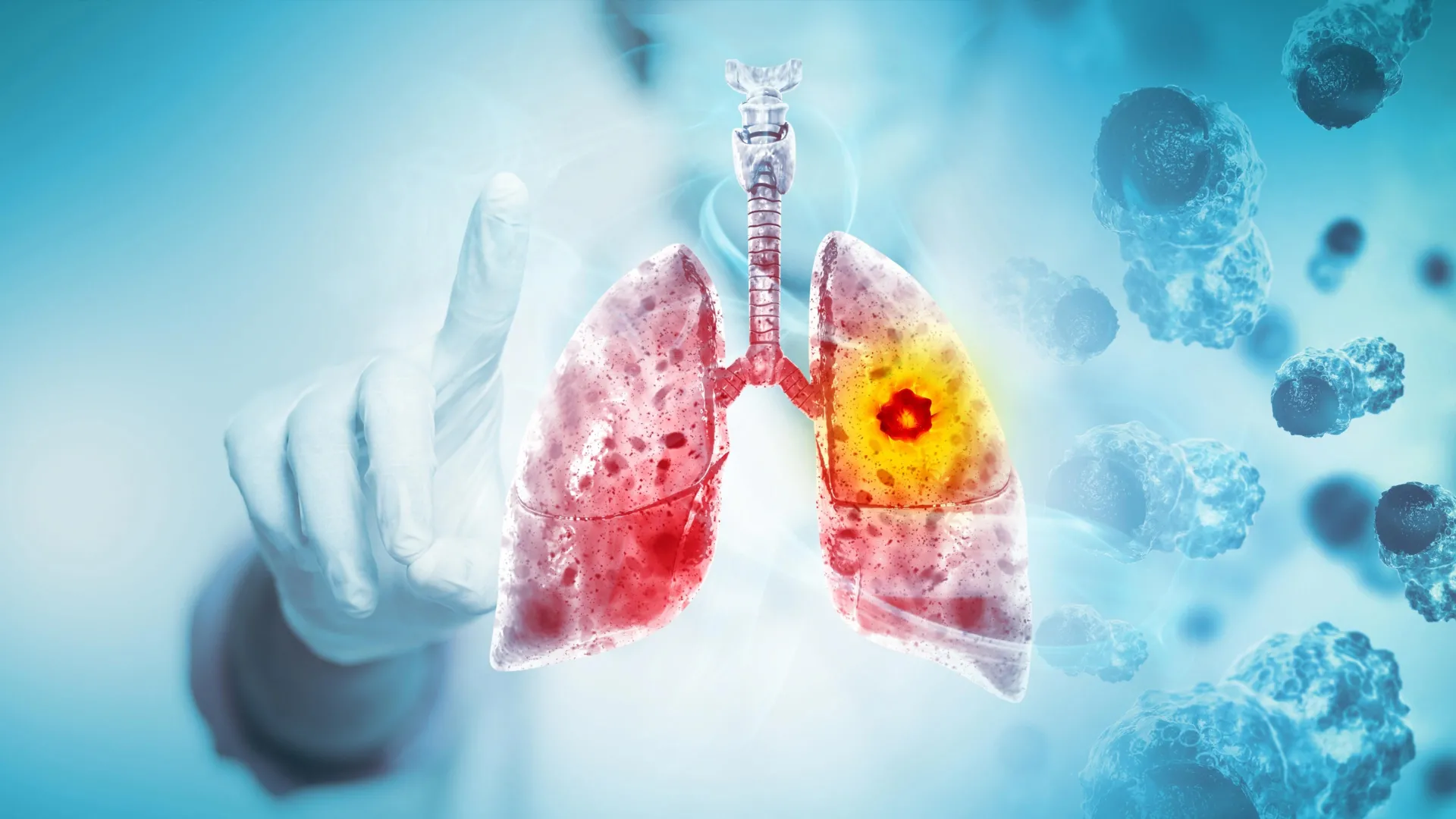
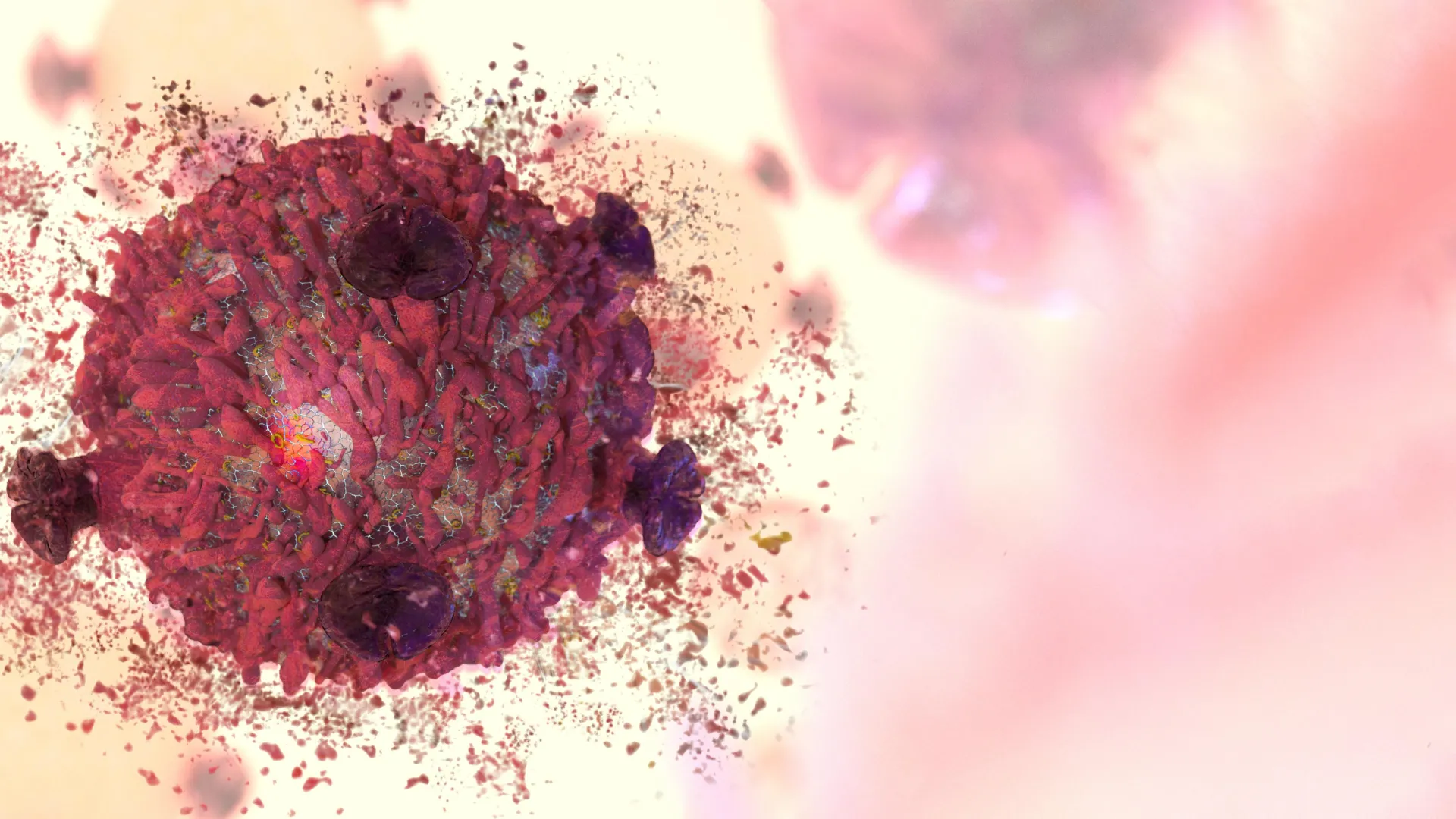
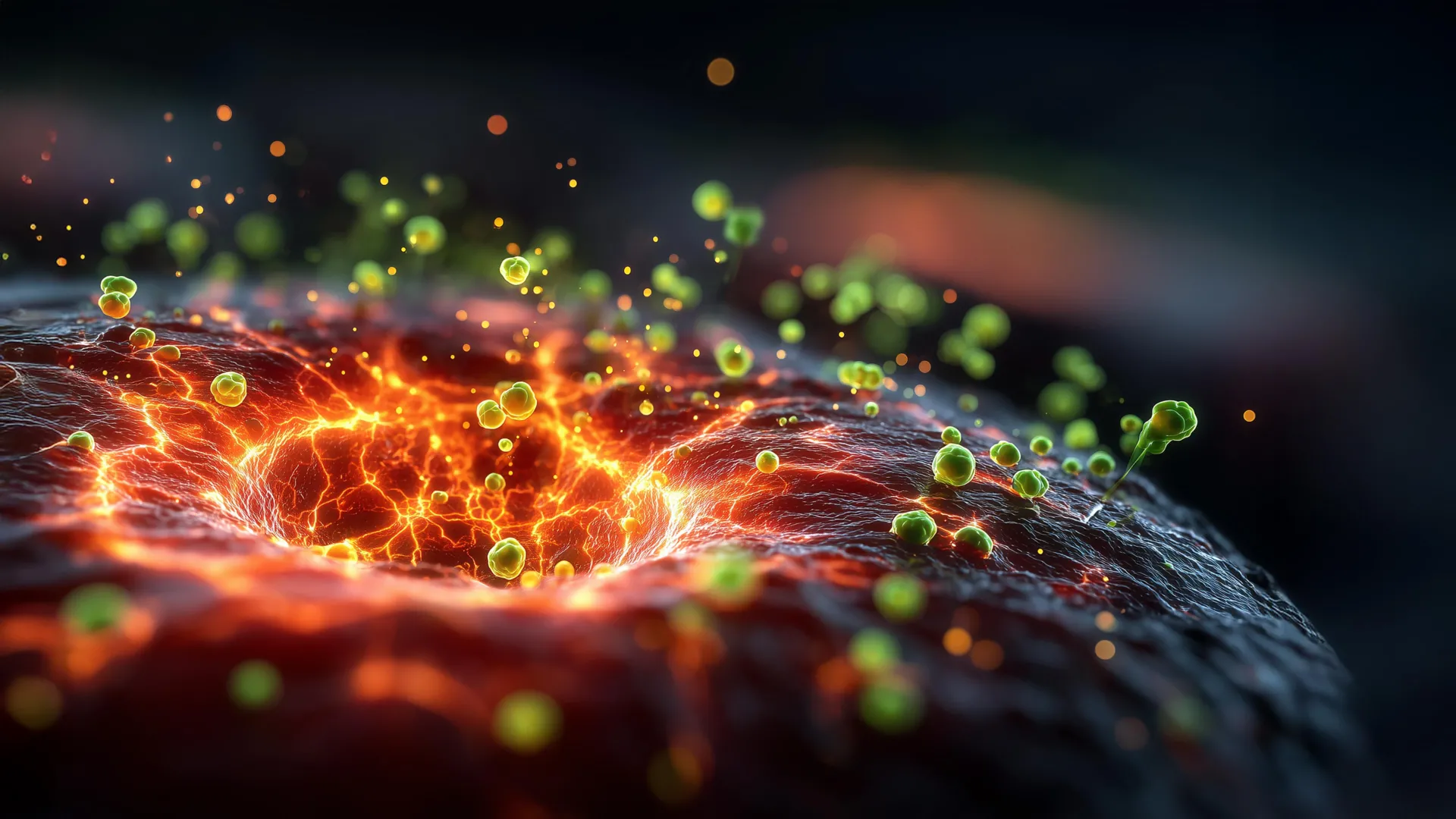
Tiny Silica Particles Wiped Out Aggressive Prostate Tumors in Mice — and Woke Up the Immune System
Engineered nanoparticles triggered cancer cells to self-destruct while flipping 'cold' tumors 'hot,' producing complete remissions in mice when paired with immunotherapy.
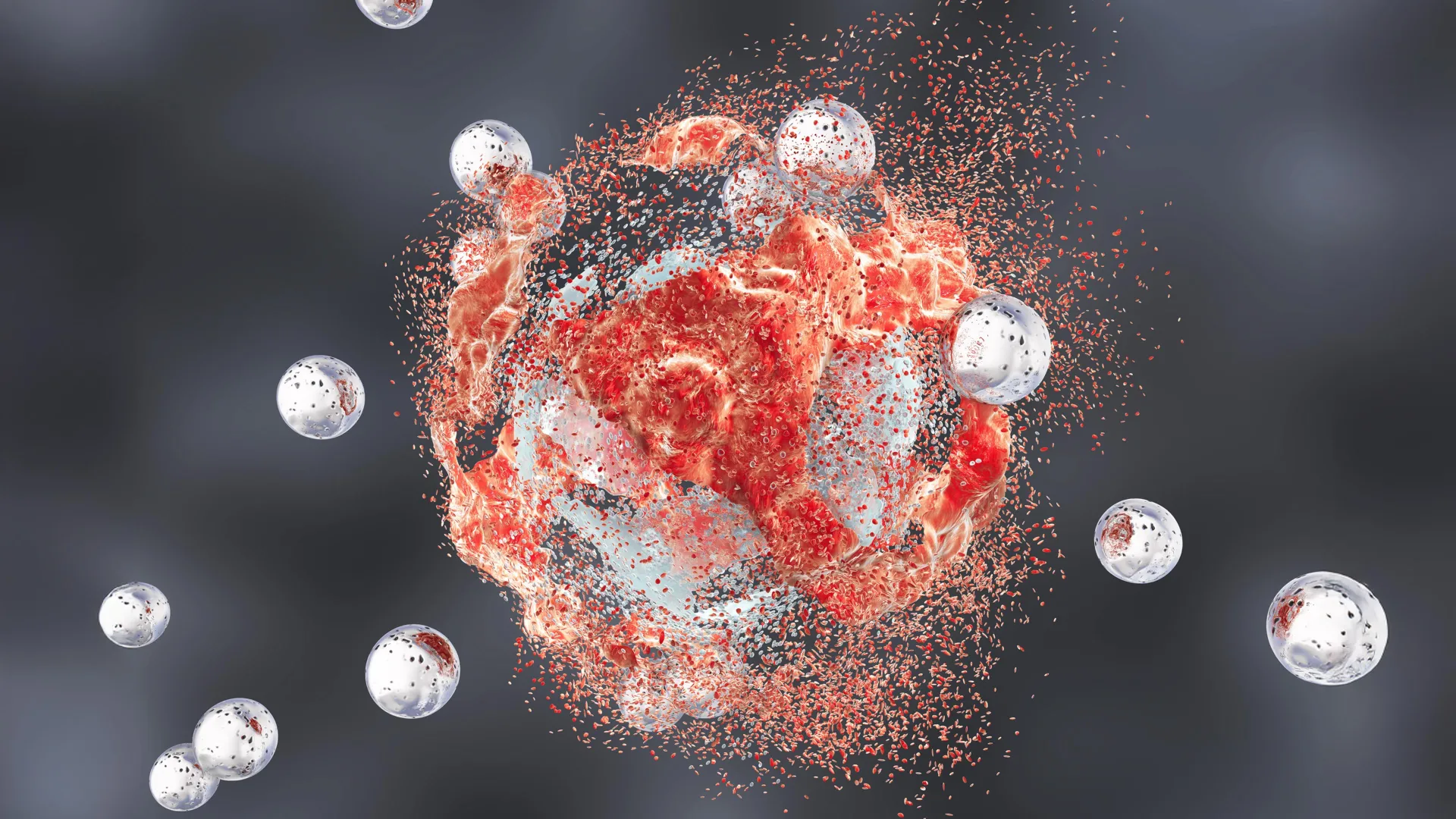
Scientists have engineered ultrasmall silica nanoparticles that hunt down aggressive prostate cancer, force the tumor cells to self-destruct, and rouse the immune system to finish the job — an approach that produced complete remissions in mice when combined with immunotherapy.
The work, led by researchers at Weill Cornell Medicine and Cornell's engineering school and published June 15 in the American Association for Cancer Research journal Cancer Research, attacks a stubborn problem in oncology. Prostate cancer, especially in its advanced forms, is notoriously resistant to immune-based treatments because its surrounding environment is "cold" — largely empty of the immune cells needed to mount an attack. The new strategy takes aim at that weakness on two fronts at once.
At the heart of the approach is a form of cell death called ferroptosis, an iron-driven process in which a cell's own membranes are torn apart by runaway oxidation. The core-shell silica particles are built to pick up positively charged iron ions circulating in the bloodstream and shuttle them directly into tumor cells, effectively planting catalytic seeds for oxidative collapse. Once inside, the particles make the cancer cells acutely vulnerable to this self-destruct pathway, killing them from within.
The second effect may be even more important. As the tumor cells die, the treatment transforms the sluggish, immunologically "cold" microenvironment into a "hot" one teeming with antitumor activity — recruiting and activating immune cells that had previously been shut out. When researchers paired the nanoparticles with immunotherapy, the combination drove multiple mice into complete remission, a result that raises hopes for a genuinely new line of attack against a cancer that kills tens of thousands of American men each year.
Crucially, the particles are designed to do several jobs simultaneously, modulating inflammatory, immune and metabolic pathways rather than hitting a single target. That multipronged action is part of what makes the results notable to the researchers, who describe the ultrasmall core-shell silica particles as a potential new class of anticancer therapeutics. Because the particles are so small, they can be cleared from the body more readily than bulkier materials, an important consideration for eventual safety in humans.
The findings remain preclinical, and the leap from mice to patients is long and uncertain; many promising cancer therapies falter in that transition. But the team is pressing ahead, aiming to evaluate the particles' safety and effectiveness in clinical trials. If the dual punch holds up in people, it could offer a way to make one of the most treatment-resistant cancers finally visible — and vulnerable — to the body's own defenses.