Japan's Hayabusa2 Buzzes a 'Two-Headed' Asteroid 62 Million Miles From Earth
The veteran probe swept within six miles of Torifune, snapping close-ups of a snowman-shaped space rock on the first stop of its extended mission.
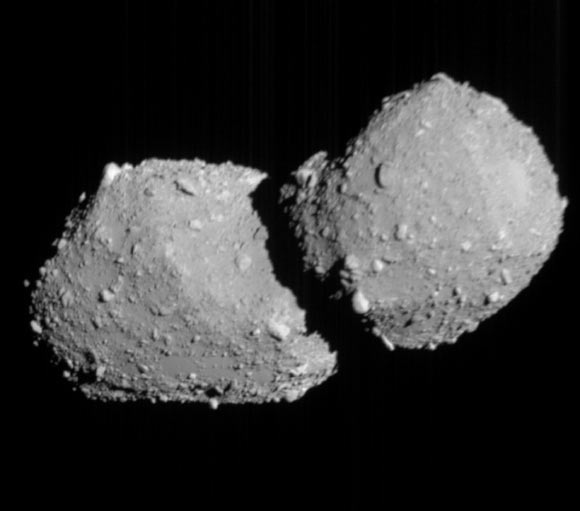
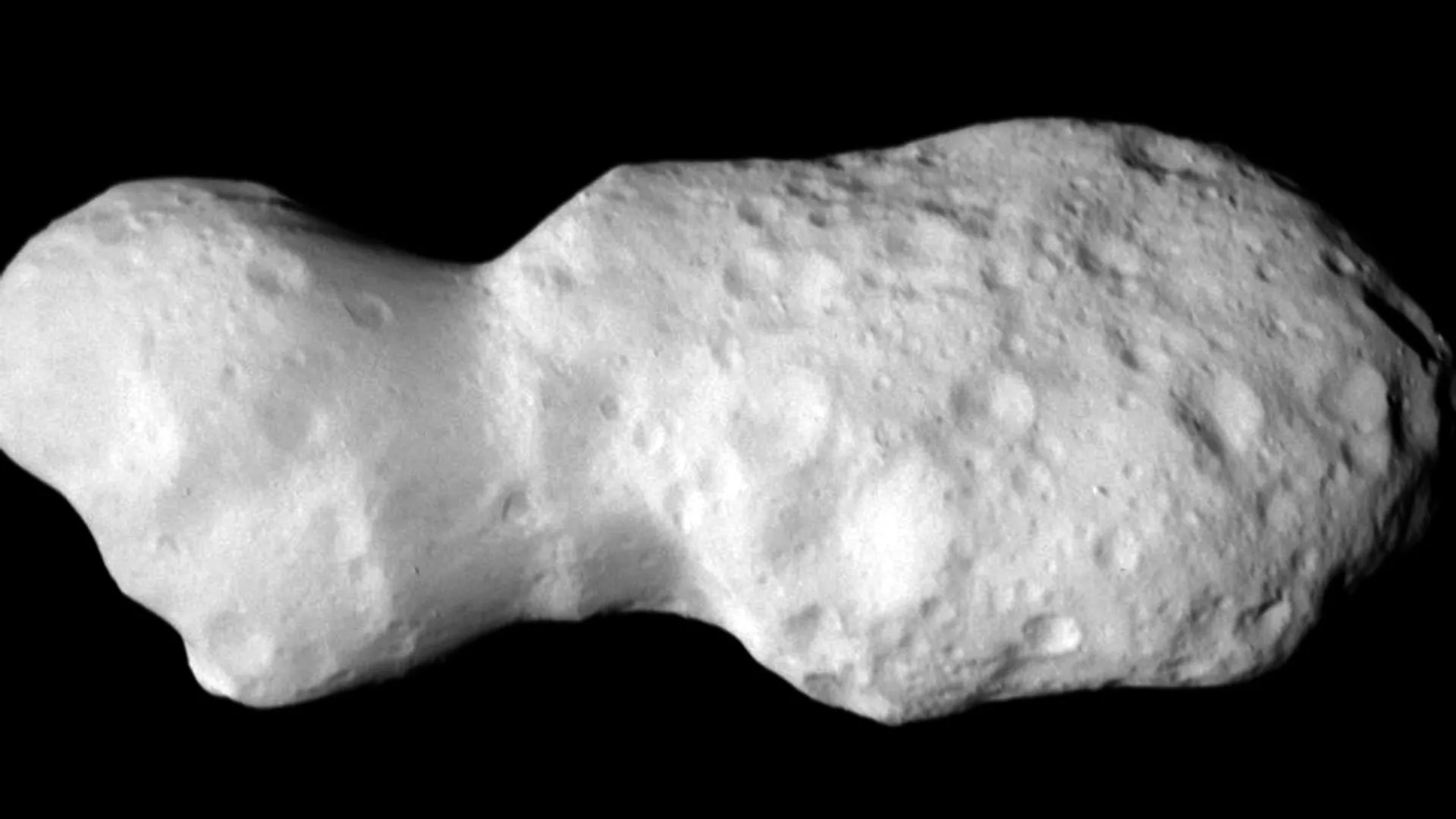
Japan's Hayabusa2 spacecraft has pulled off the first close encounter of its extended mission, racing past a near-Earth asteroid named Torifune and beaming home crisp images of a space rock that looks like a lopsided snowman.
The flyby took place on July 5 at 18:30 Japan Standard Time, when the probe swept within about 10 kilometers — roughly six miles — of the asteroid at a blistering 5 kilometers per second. Using its Optical Navigation Camera, Hayabusa2 captured pictures showing that Torifune is an elongated, two-lobed object: a contact binary formed when two once-separate asteroids gently merged into a single body, giving it the appearance of two heads joined at the middle.
Torifune is a modest rock, measuring about 450 meters (1,475 feet) across, and it was some 100 million kilometers — about 62 million miles — from Earth at the time of the encounter. Beginning roughly an hour before closest approach, the spacecraft also trained its near-infrared spectrometer, thermal infrared imager and laser altimeter on the target, gathering data on the asteroid's composition, temperature and shape that scientists will spend months analyzing.
The mission's operators at the Japan Aerospace Exploration Agency released the images on July 6, marking another milestone for a spacecraft that has already earned a place in the history books. Hayabusa2 famously visited the asteroid Ryugu, collected samples from its surface, and delivered them to Earth in a capsule that parachuted into the Australian outback in December 2020. Rather than retire, the probe fired its engines and set off deeper into the solar system.
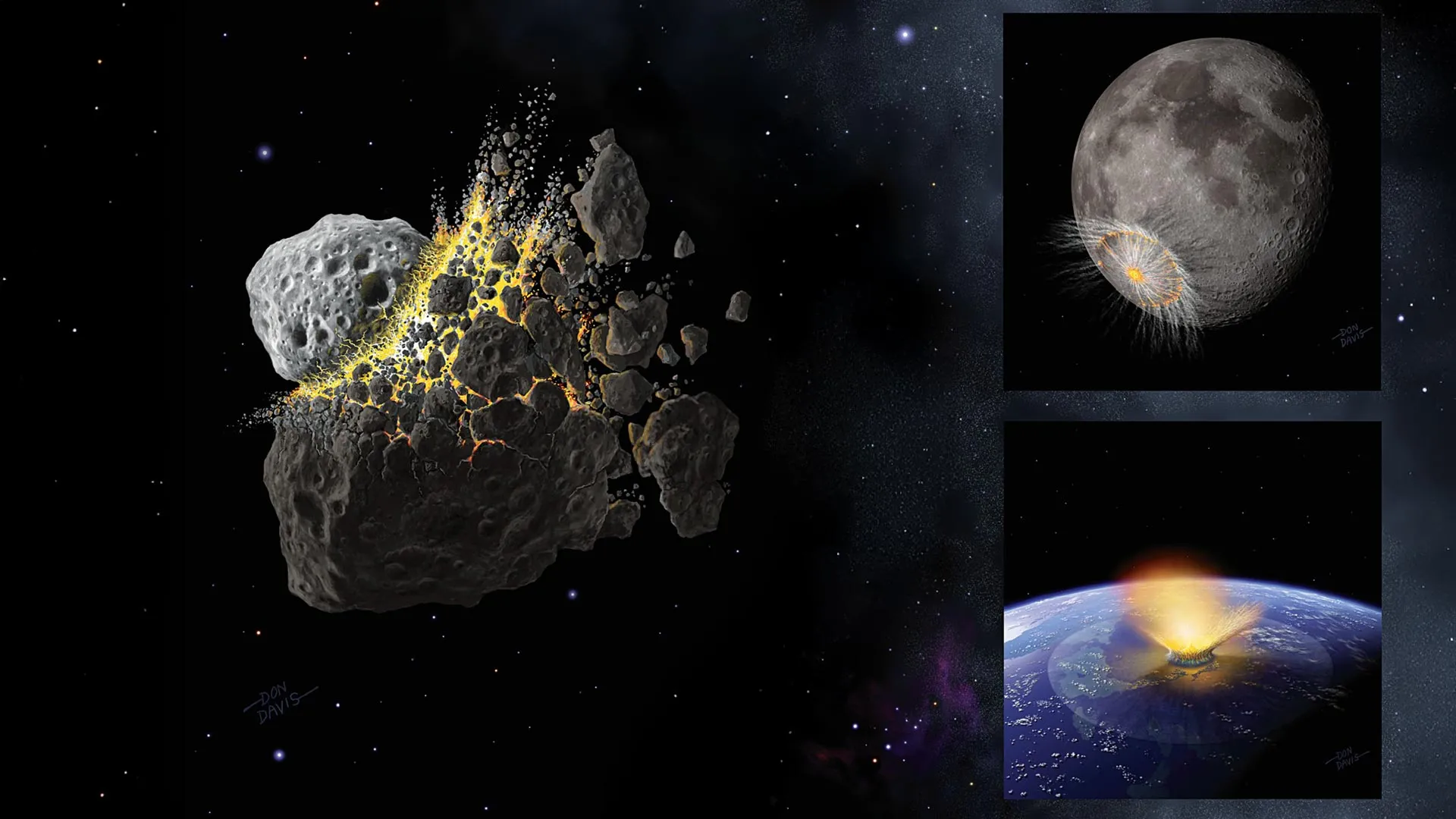
Contact binaries like Torifune are of keen interest to planetary scientists because they preserve clues about how the solar system's building blocks came together. Many small asteroids appear to be loosely bound "rubble piles" rather than solid rock, and studying how two lobes gently fused can reveal the slow, low-speed collisions that shaped worlds 4.5 billion years ago. The data also feeds into planetary defense: the better scientists understand the structure and composition of near-Earth asteroids, the better prepared humanity will be to deflect one that might someday be on a collision course.
Torifune is only a waypoint. Hayabusa2's ultimate destination is a tiny, fast-spinning asteroid called 1998 KY26, which it is scheduled to reach in 2031. Flybys like this one let engineers rehearse navigation and imaging at high speed while squeezing bonus science out of a mission that was originally meant to end years ago — a reminder of how far a well-built spacecraft can travel long after its primary job is done.