Ancient DNA From a 5,000-Year-Old French Tomb Reveals a Vanished People Replaced by Strangers
Genetic analysis of 132 skeletons in a megalithic tomb near Paris shows the community that built it collapsed — and centuries later, unrelated newcomers from the south were burying their dead in the same graves.
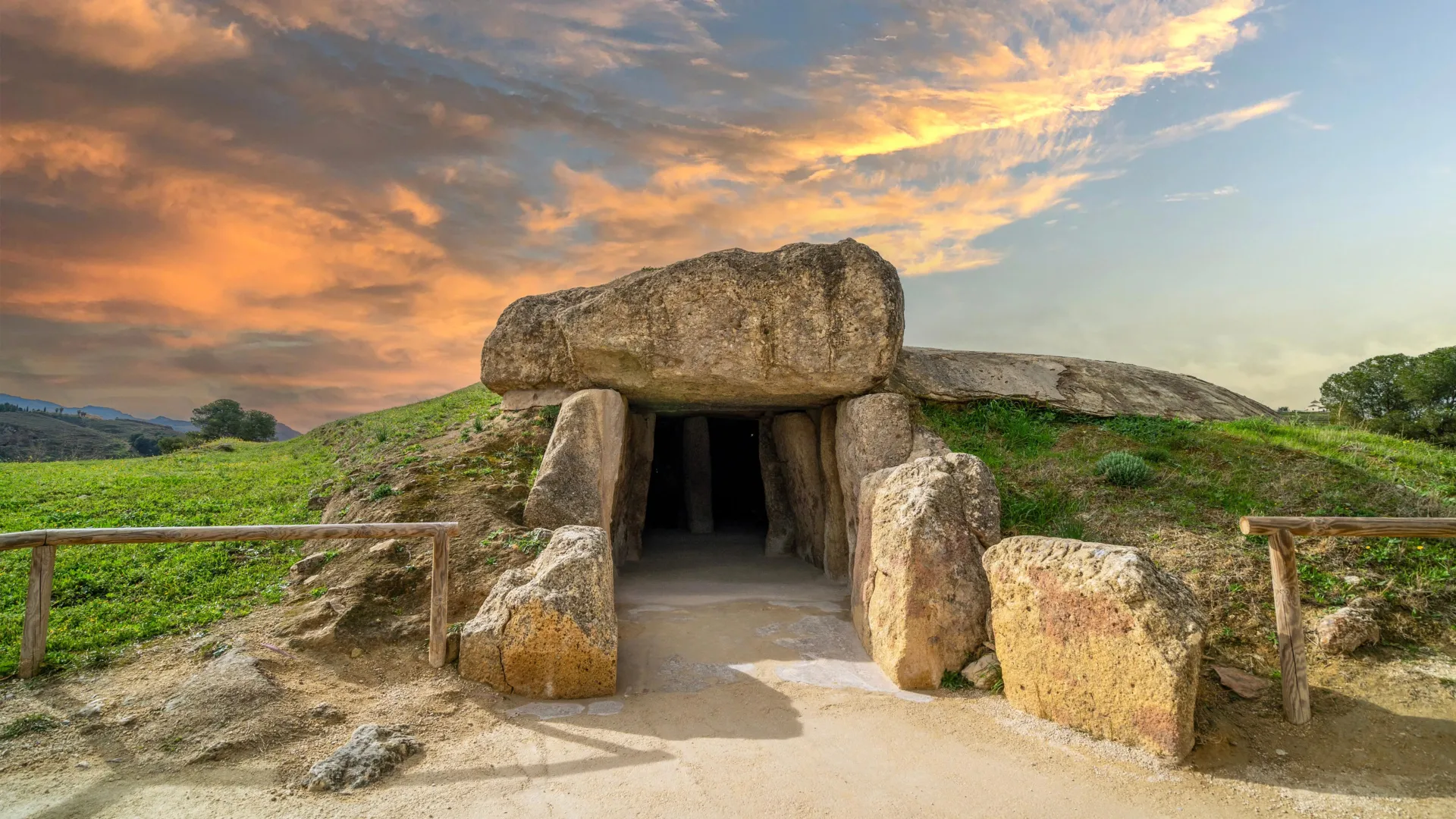
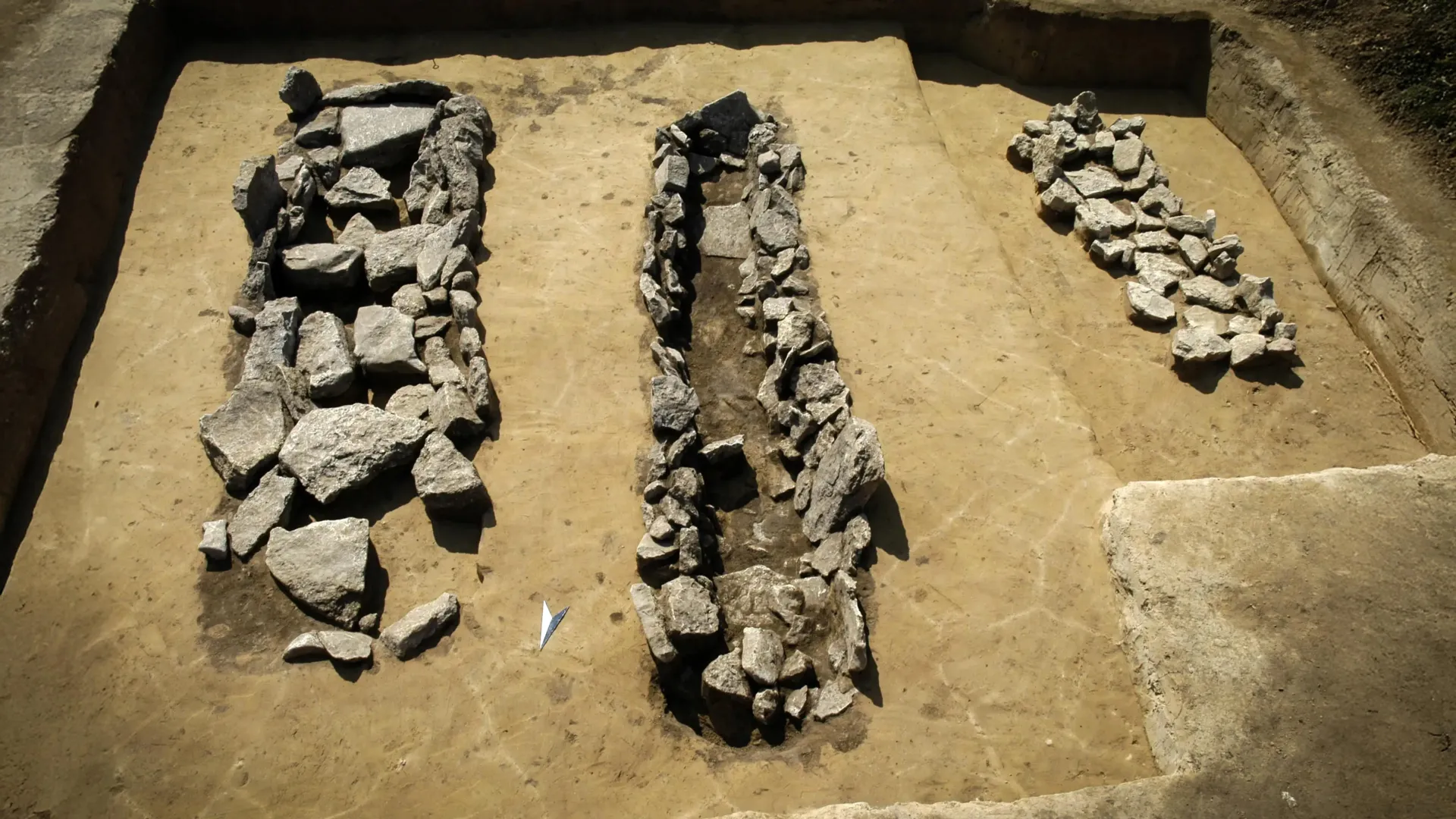
A vast stone tomb north of Paris has yielded one of the most vivid genetic snapshots yet of a prehistoric society that vanished — and of the strangers who quietly took its place. Ancient DNA from 132 people buried in the tomb shows that the community which built it around 5,000 years ago collapsed, and that the people who later reused the same graves were not their descendants at all.
The findings, published in the journal Nature Ecology & Evolution, come from a large megalithic tomb near Bury, about 50 kilometers north of Paris. Archaeologists had long known the site was used during two distinct periods, separated by a gap of several centuries around 3000 B.C. What they could not see, until now, was that the two groups of dead belonged to entirely different peoples. The DNA of those buried before the gap bore no relation to the DNA of those buried after it.
Instead, the later group's genetic signature pointed to a long migration from the south — from present-day southern France and the Iberian Peninsula. When the tomb was reopened centuries after it fell silent, in other words, the mourners laying their loved ones to rest were newcomers, culturally drawn to a monument built by a population they had never known.
Why the original builders disappeared is the study's darker thread. The researchers found high mortality, particularly among the young, and detected the DNA of dangerous pathogens — including Yersinia pestis, the bacterium behind the plague. That raises the possibility that disease, perhaps an early form of plague, helped hollow out the community. But the scientists caution that illness was likely one factor among several, not a single catastrophic cause; climate stress, conflict and economic upheaval may all have played a part.
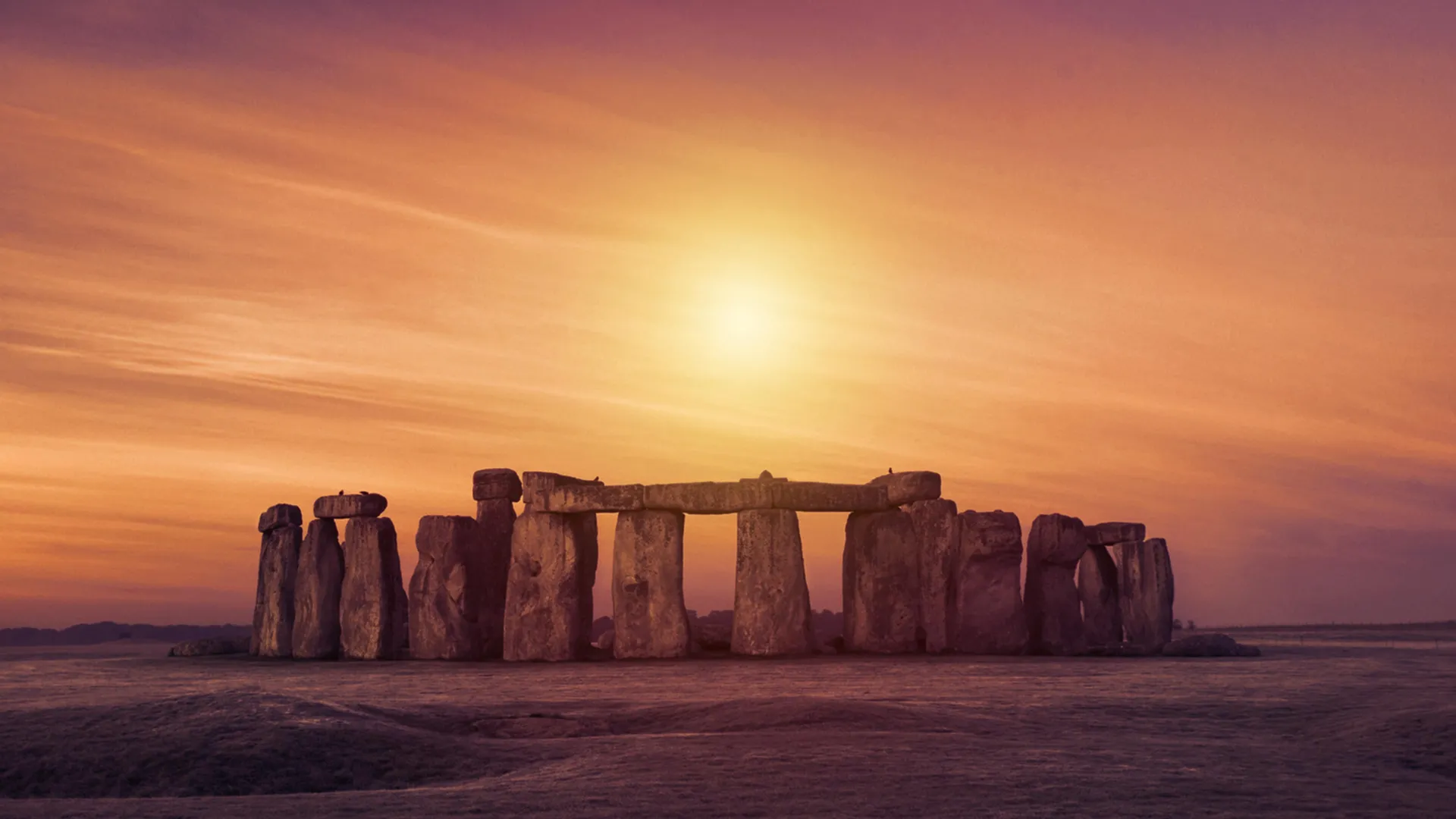
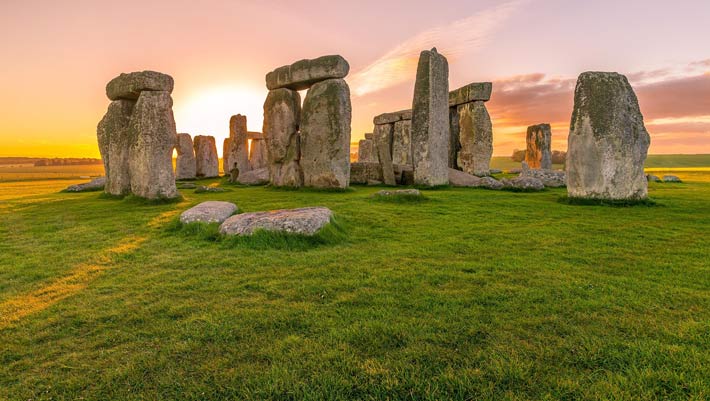
The work may also solve a broader European mystery. Across the continent, the era of building megaliths — the great stone tombs and standing stones that still dot the landscape from France to Britain to Scandinavia — came to an end around this time, and no one has fully explained why. "We now see that the end of these monumental constructions coincides with the disappearance of the population that built them," said researcher Seersholm, one of the study's authors.
For a discipline long forced to guess at prehistory from pottery shards and post-holes, the study is a reminder of how sharply ancient DNA can now bring the deep past into focus. A single tomb, read gene by gene, has captured a society's rise, its collapse, and its replacement by outsiders — a human drama played out five millennia ago and preserved, unwittingly, in the bones of the dead.