A Bacterium From a Frog's Gut Wiped Out Cancer Tumors in Mice With a Single Dose
Japanese researchers screening microbes from tree frogs, newts and lizards found one strain that erased colorectal tumors entirely — outperforming standard chemotherapy and immunotherapy in the lab.
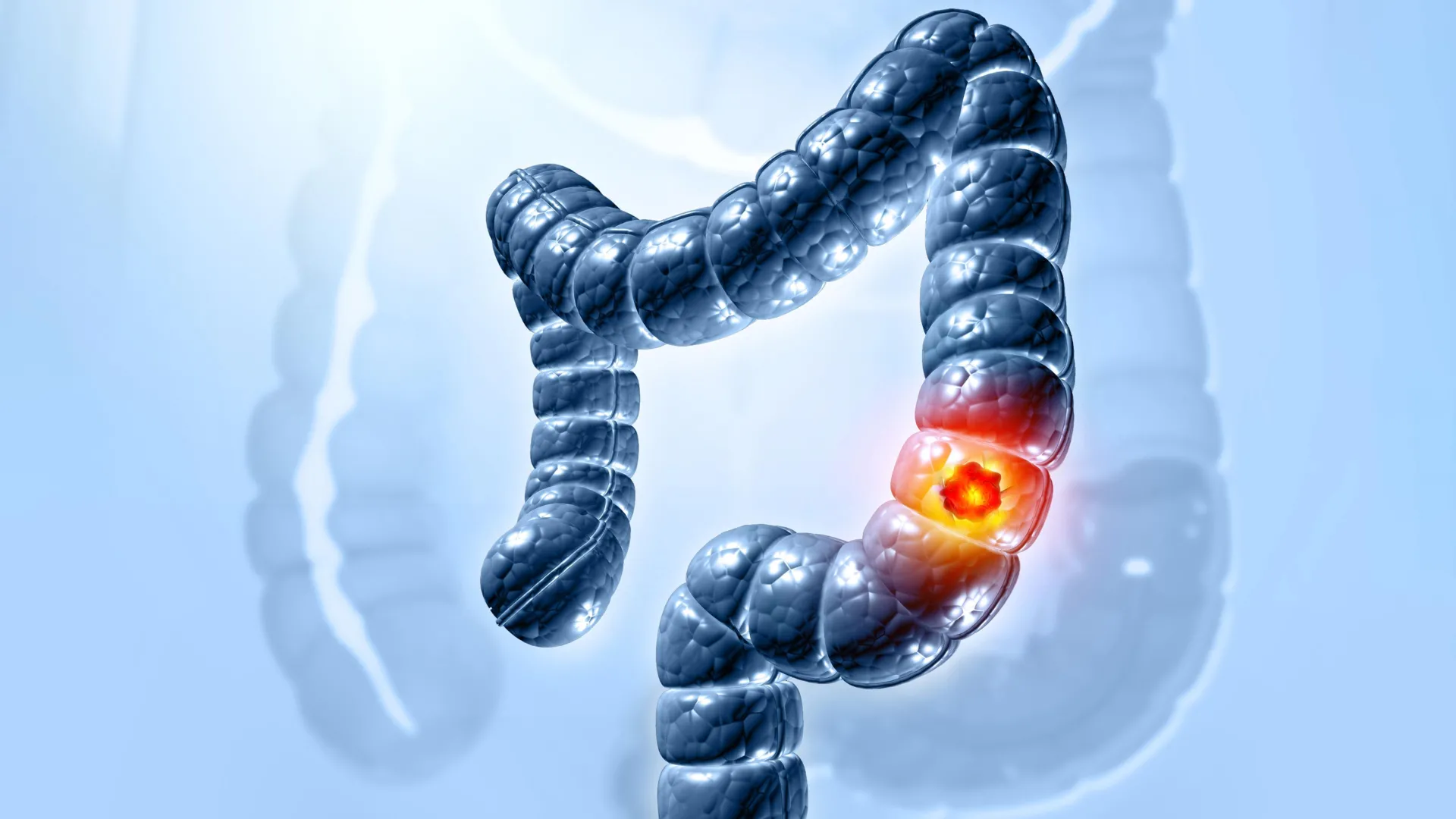
In a result that sounds almost like folklore, scientists have found that a naturally occurring bacterium plucked from the intestines of a Japanese tree frog completely eliminated colorectal tumors in mice after just a single dose — attacking the cancer directly while rousing the immune system to finish the job.
The discovery came from researchers at the Japan Advanced Institute of Science and Technology, who went looking for anticancer power in an unusual place: the gut microbes of amphibians and reptiles. The team collected 45 bacterial strains from the intestines of Japanese tree frogs (Dryophytes japonicus), Japanese fire-belly newts and Japanese grass lizards, reasoning that animals living in microbially rich, competitive environments might harbor bacteria with potent, untapped biological activity.
After screening the strains for the ability to kill cancer cells, nine showed promise. One stood out above all the rest: Ewingella americana, which produced the strongest anticancer effect in the laboratory. When the researchers gave a single intravenous dose to mice with colorectal cancer, the results were striking — a 100 percent complete response rate, with the tumors eliminated entirely.
Crucially, the bacterium beat the standard weapons of modern oncology in the head-to-head mouse experiments. Its performance outstripped an immune checkpoint inhibitor, an anti-PD-L1 antibody of the kind that has transformed cancer treatment in recent years, as well as liposomal doxorubicin, a workhorse chemotherapy drug. The bacterium appeared to work on two fronts at once, directly damaging cancer cells and simultaneously activating the body's own immune defenses to attack the tumor.
That dual mechanism is what sets the approach apart, the researchers say. Much of the excitement around the microbiome and cancer has focused on how the mix of bacteria in the gut can influence whether other therapies work. This study points to something more direct: using a living bacterium itself as the therapy, delivered into the body to seek out and destroy a tumor rather than merely adjusting the microbial background.
The findings were published in the journal Gut Microbes. The scientists are careful to stress the obvious caveats — the results come from mice, not people, and the long road from a striking preclinical result to a safe, approved human treatment is littered with failures. Injecting live bacteria into patients raises real questions about safety and control that will have to be answered before anyone reaches for a clinic. Still, as a proof of concept, the work is a provocative reminder that some of medicine's next breakthroughs may be hiding in the least expected corners of the natural world — even in the belly of a frog.