One Weekly Shot, Taken Daily: Ozempic Mix-Ups Sent Poison-Control Calls Soaring
A study of a decade of U.S. poison-center data found calls involving GLP-1 drugs jumped from roughly 1,500 a year to more than 8,000 after semaglutide's weight-loss approval — most of them preventable dosing errors.
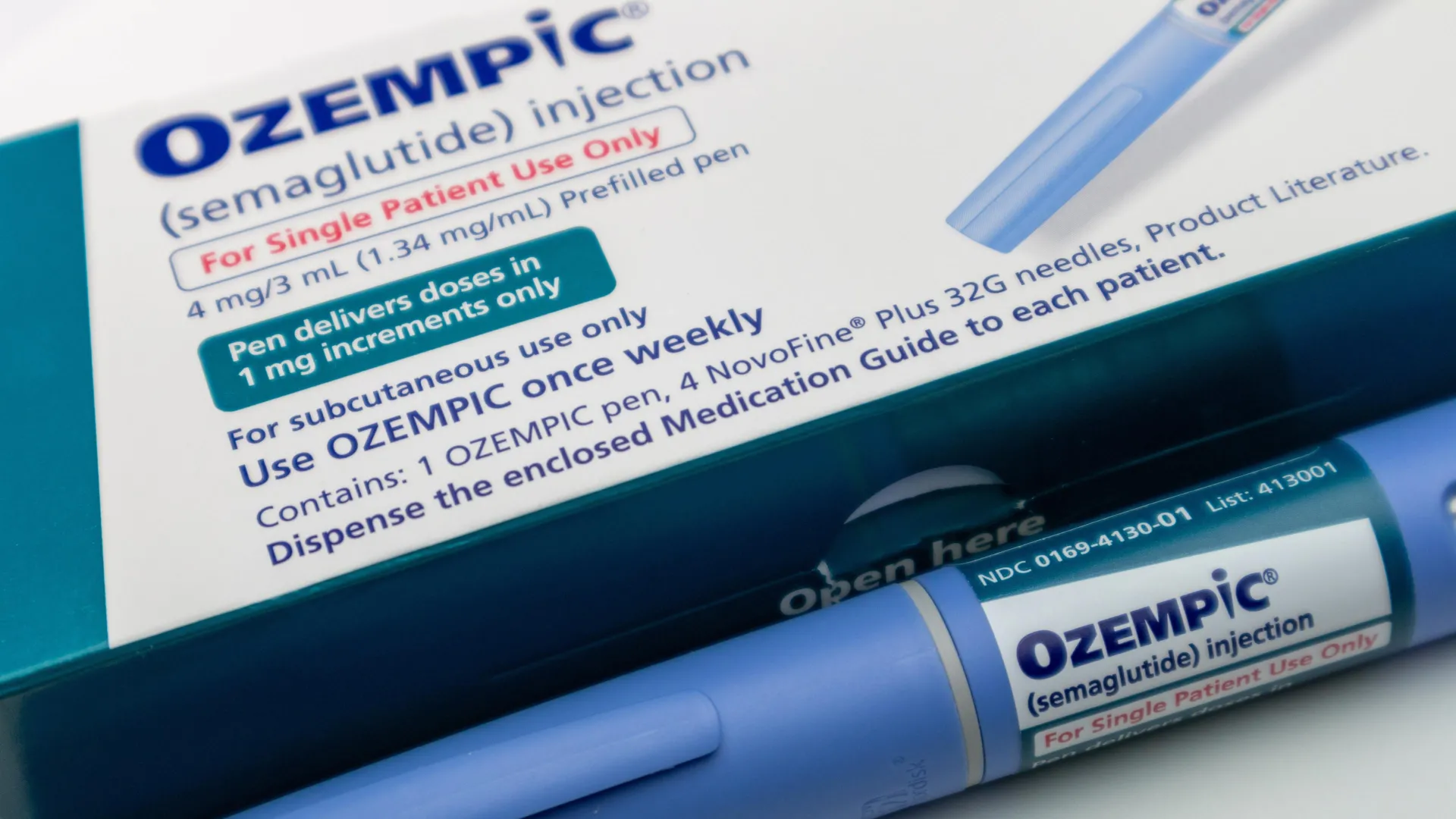
The explosive popularity of semaglutide, the drug sold as Ozempic and Wegovy, has come with an unexpected side effect: a sharp rise in calls to poison-control centers, driven not by abuse but by simple, preventable mistakes in how patients take it.
A new study by researchers at the University of Texas at San Antonio and the South Texas Poison Center analyzed every reported exposure to GLP-1 receptor agonist medications logged in a national poison-center database between 2012 and 2023. The trend line was stark. Before 2021, poison centers typically fielded between 1,000 and 1,500 calls a year involving these drugs. By 2023, they were logging more than 8,000 — with semaglutide alone accounting for 64 percent of all cases.
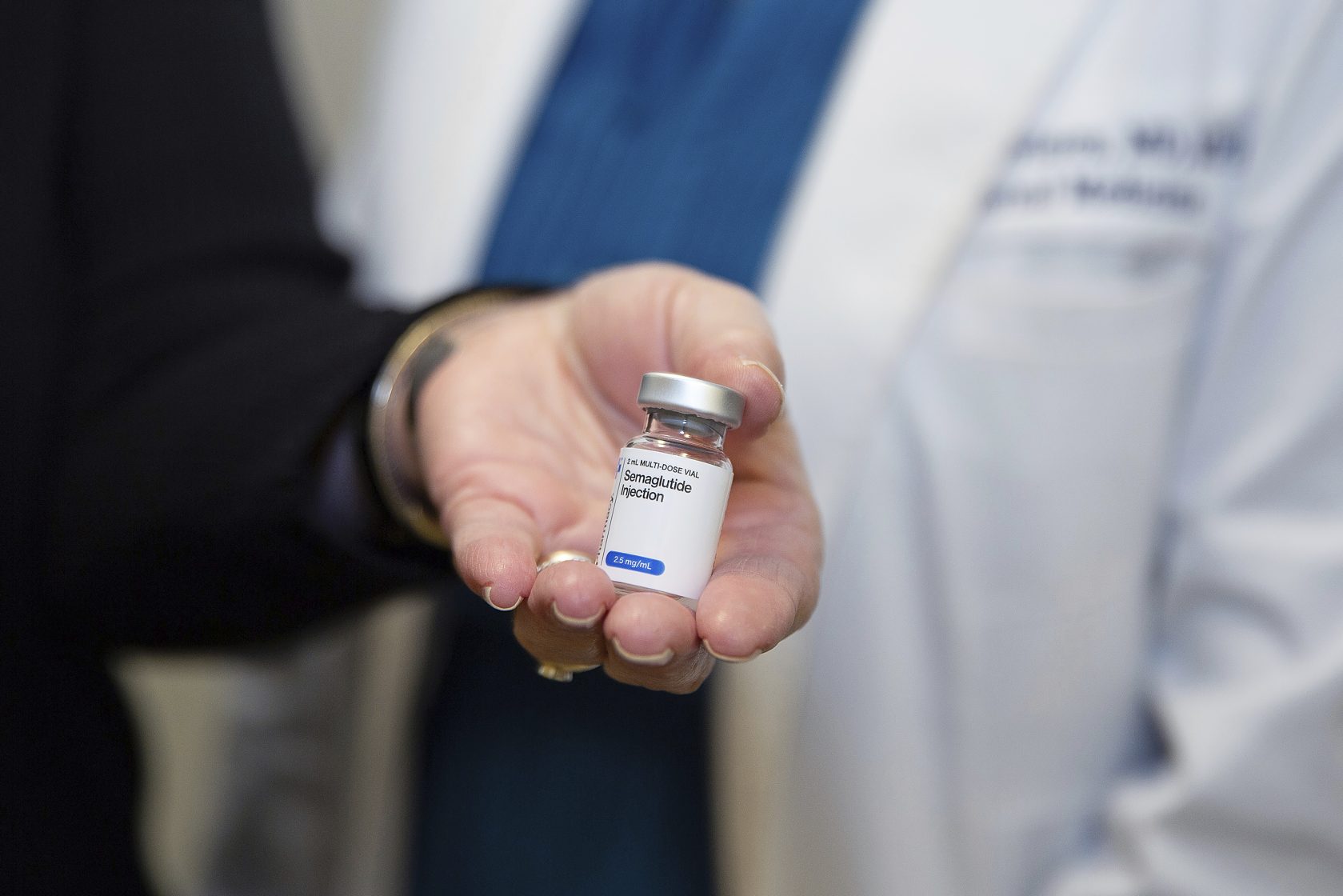
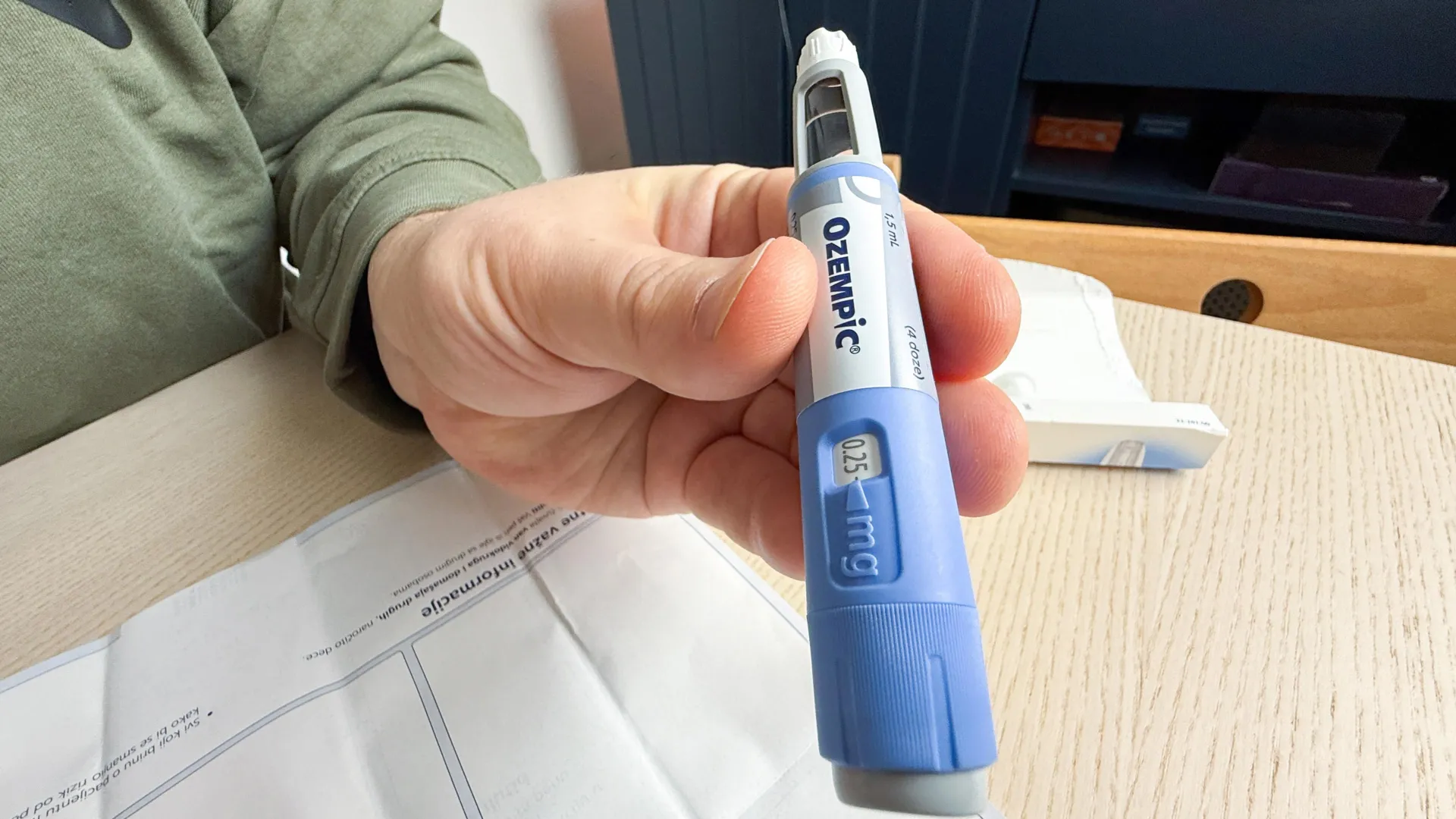
The surge tracked closely with regulators' approval of semaglutide for weight management, which sent prescriptions soaring far beyond the drug's original diabetes market. As millions of new patients picked up pens and vials, the researchers found, many stumbled over a deceptively simple instruction: semaglutide is designed to be injected just once a week, yet a substantial number of people mistakenly administered it every day.
Most of the calls involved unintentional errors — wrong doses, wrong timing or confusion over the injection devices — rather than deliberate misuse, the study found. The good news is that the majority of symptoms were mild, typically nausea, vomiting and dizziness, the familiar gastrointestinal complaints associated with the class of drugs. Serious outcomes were relatively rare. But the sheer volume of avoidable calls pointed to a systemic gap in how patients are being counseled.
The researchers concluded that the vast majority of those roughly 8,000 annual calls were preventable. Their recommended fix is not complicated: clearer, more consistent education about proper weekly dosing and gradual dose escalation, delivered when patients first start the medication. Simplifying device instructions and reinforcing the once-weekly schedule, they argued, could sharply cut the number of people who end up calling for help.
The findings arrive as GLP-1 drugs continue their remarkable ascent, reshaping the treatment of obesity and diabetes and spawning a wave of compounded and copycat products. Public-health experts say the poison-center data offer a cautionary snapshot of what happens when a powerful medication moves rapidly from a niche population to the mainstream faster than the guardrails around its safe use can catch up. As access widens further, the study's authors warn, the number of dosing mishaps is likely to keep climbing unless patient education keeps pace.