Scientists Defang a Decades-Old Myth: Baby Rattlesnakes Aren't Deadlier Than Adults
A Loma Linda University team traced the 'baby snakes can't control their venom' scare back to 1960s news reports — and showed that adult rattlesnakes actually deliver far more venom and cause worse bites.
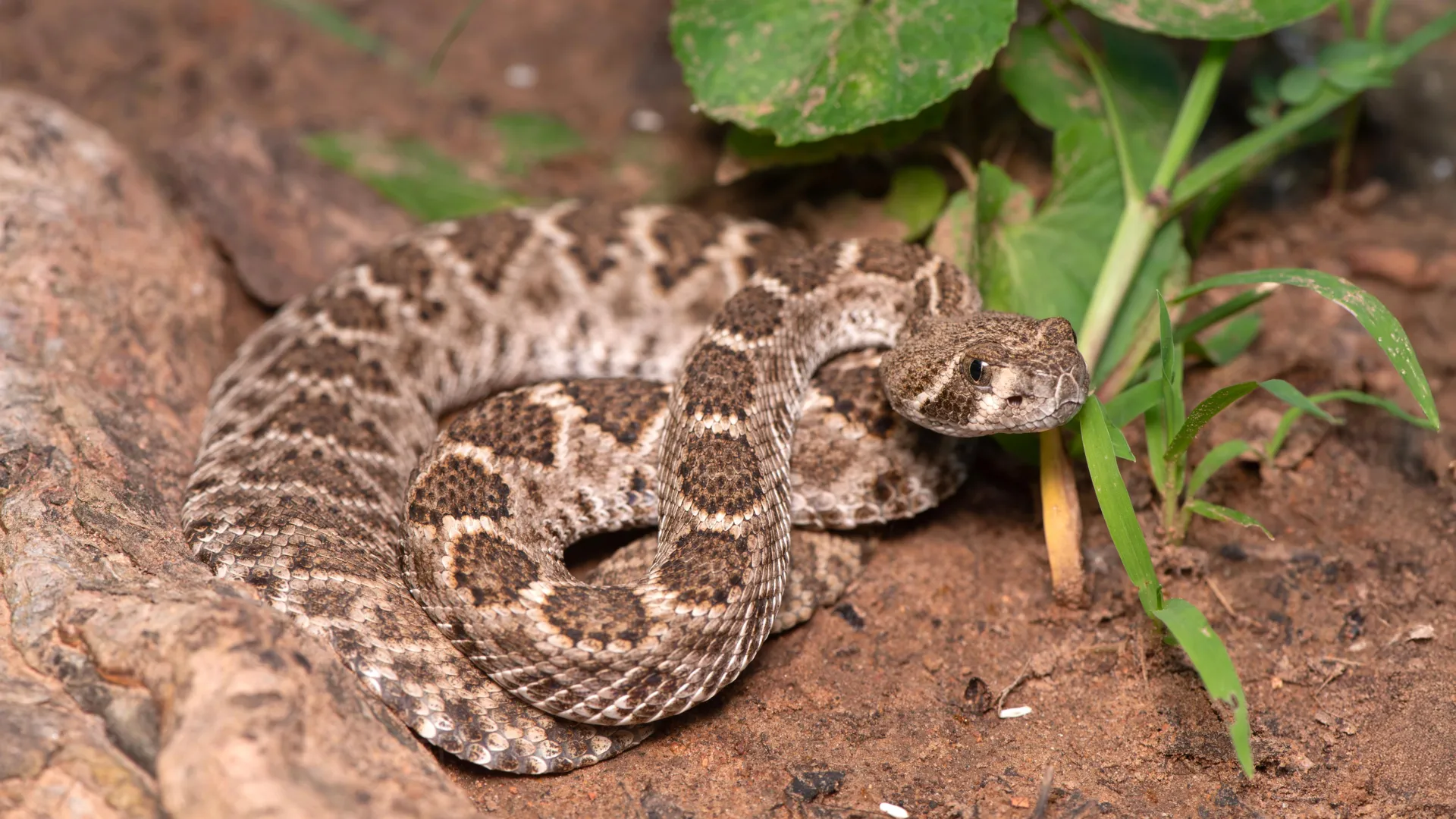
One of the most persistent pieces of outdoor lore in America — that a baby rattlesnake is more dangerous than a full-grown one because it can't yet control how much venom it injects — is simply wrong, according to researchers at Loma Linda University who set out to trace where the myth came from and why it stuck.
The belief holds that juvenile rattlesnakes dump all of their venom in a single bite, while wiser adults meter it out, making the little ones the greater threat. The Loma Linda team found the opposite. Baby rattlers, like adults, can control the release of their venom, and adults possess and deliver far more of it, producing substantially more severe symptoms in the people they bite.
The researchers didn't just test the biology; they went looking for the myth's origin story. The idea gained traction in the 1960s, particularly in places like California, where local news reports on snakebites frequently leaned on non-expert sources who repeated the claim. Over the following decades, those inaccurate stories and misleading quotes from trusted-sounding voices hardened a folk belief into something many hikers — and even some clinicians — took as established fact.
That matters because the misinformation carries real consequences. The team warned that the myth has led "to negative consequences, including misinformed risk-taking by those encountering snakes, unwarranted fear among snakebite victims, and inappropriate care delivered by misinformed or patient/family-pressured medical professionals." In other words, believing a baby bite is automatically catastrophic can push both victims and caregivers toward panicked or misguided decisions.
The work, published in the journal Toxins, is notable for pairing venom science with media analysis — documenting not only what is true about rattlesnake bites but how a falsehood propagates through news coverage and public conversation over half a century. The authors also point to evidence that clear, well-crafted messaging can effectively dispel the myth, suggesting the fix is as much about communication as it is about herpetology.
None of this means baby rattlesnakes are harmless; any venomous snakebite warrants immediate medical attention. But the practical takeaway flips the conventional warning on its head. If anything, an adult rattlesnake — with larger venom glands and the capacity to inject a bigger dose — is the more serious hazard on the trail. For decades, Americans have been taught to fear the wrong snake, and a fresh look at both the toxins and the headlines finally sets the record straight.