Vagus Nerve Stimulation After Practice Makes Skills Stick Longer in Mice, Tohoku Study Finds
Stimulating the nerve after training, not during it, strengthened learning on later days and produced rhythmic blood-volume swings in the cerebellum.
Topic
79 stories from Planck Standard. Latest: October 5, 2026.

Stimulating the nerve after training, not during it, strengthened learning on later days and produced rhythmic blood-volume swings in the cerebellum.

The trio is honored for light-gated ion channels and the technique that lets scientists switch individual brain cells on and off with flashes of light.

Two studies in Cell and Cell Stem Cell show the gene turns vessel-support cells into scar-forming ones and chokes the cell's waste-disposal system. Blocking one signal undid part of the damage in lab models and mice.
Hungarian scientists put EEG caps on 20 dogs and 20 people. Both locked on to words built from consonants, a bias never found even in monkeys, and even dogs raised on the street showed it.

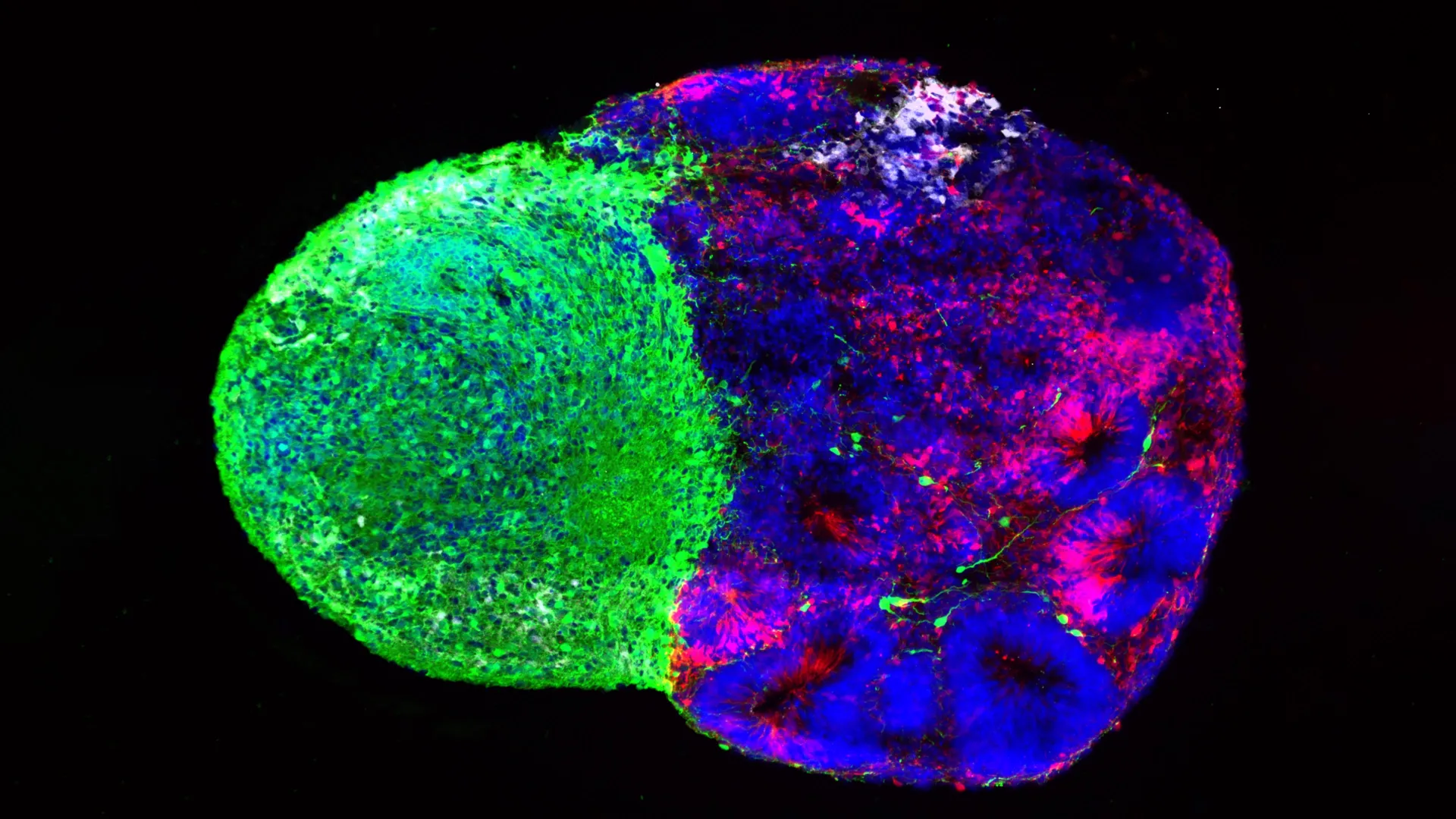
Forebrain and midbrain come from cells expressing Otx2; the hindbrain, which runs breathing and heartbeat, from cells expressing Gbx2. The finding, in Nature Neuroscience, explains why no one could grow human hindbrain neurons in a dish, and now they can, opening a path for ALS and spinal muscular atrophy research.

Two studies find that radial glia — the cells that construct most of the human cortex — take their instructions from how they burn sugar and from thalamic fibers physically touching them.

Blocking EP2 on tissue-resident macrophages kept old mice lean, strong and able to run a maze. A drug version worked on animals already 22 months old.

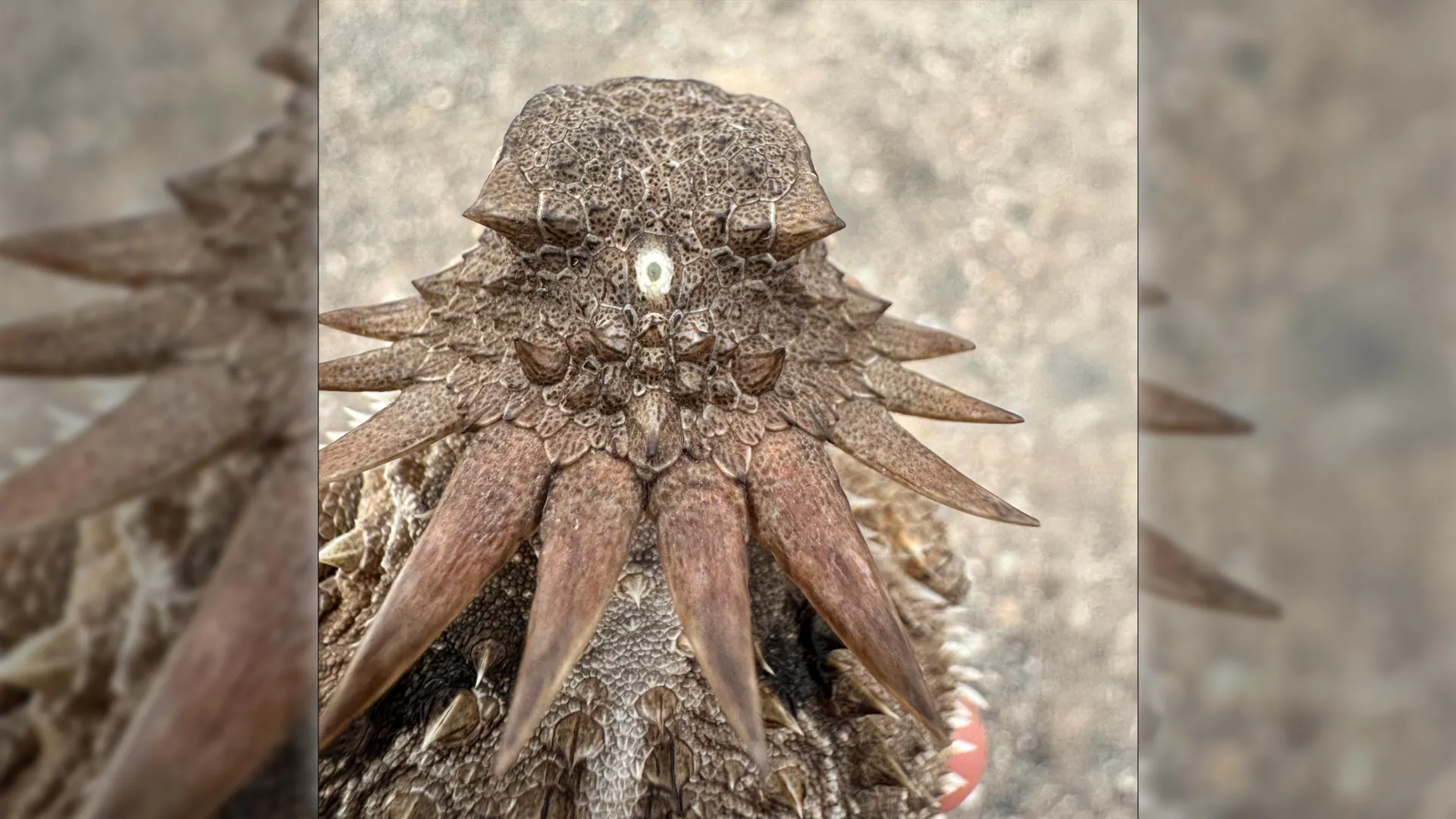
A study in Current Biology argues vertebrates lost their paired eyes, kept one eye on top of the head, then rebuilt stereo vision out of it — and that the leftover of that ancient eye is still inside your skull.

Researchers compared 142 people with exceptional memory against 89 typical peers and found no genetic advantage — not in APOE, not in polygenic risk scores, not even in rare protective variants.

In mice engineered to carry human GLP-1 receptors, oral drugs orforglipron and danuglipron switched on the central amygdala and cut dopamine release during pleasurable eating — a pathway researchers had not expected them to touch.

Rapamycin quieted brain overactivity, reduced seizure risk and eased repetitive behavior in animals whose symptoms traced back to inflammation before birth — but the effect faded.

Buck Institute researchers report that neurons carrying the rare APOE2 variant accumulate less DNA damage and resist cellular aging — and that adding APOE2 protein protected high-risk APOE4 neurons too.

In a UCSF and Imperial College London trial, a single 25-milligram dose of the psychedelic triggered a surge in 'brain entropy' within an hour and left measurable changes detectable a full month later, hinting at how it may loosen rigid thinking.

Boosting the protein in mice sharply reduced tau buildup and brain shrinkage, pointing to a possible new line of defense against Alzheimer's and related dementias.
Biogen's diranersen missed its main goal in a Phase 2 trial but reduced tau pathology and showed signs of slowing decline, enough to push it toward a Phase 3 study.

A new study finds decision signals appear in the brain's very first sensory relay, not just its command centers, upending a core assumption behind modern artificial intelligence.
Penn State researchers discovered that a lattice-like skeleton just beneath a neuron's surface controls what the cell absorbs — and when it weakens, harmful Alzheimer's proteins flood in.

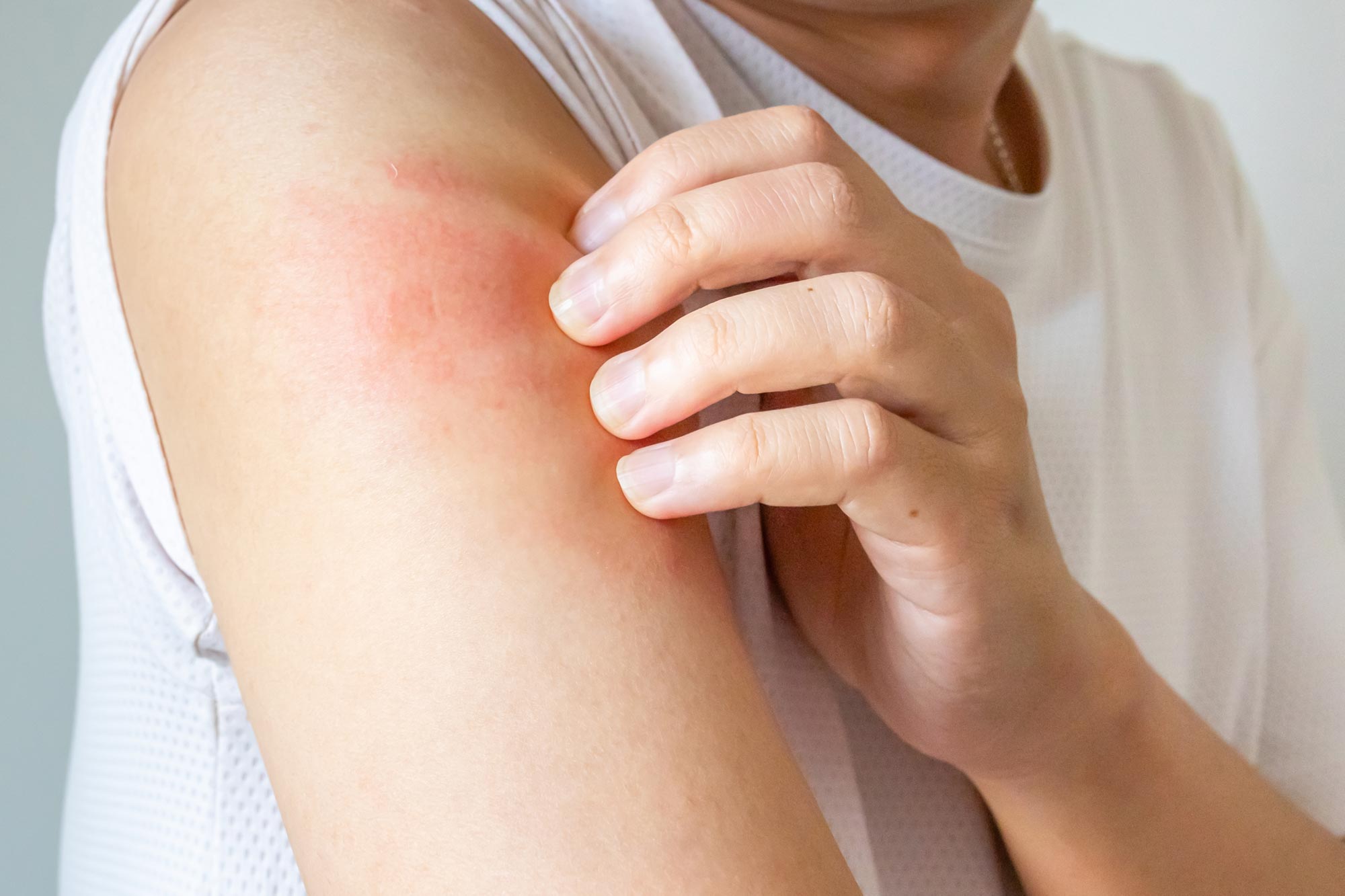
University of Michigan researchers identified specialized neurons wired to the body's finest hairs that trigger mechanical itch — a finding that could unlock new treatments for eczema and chronic itching.

University of Illinois researchers found that decision signals reach even the brain's primary sensory areas through rapid top-down feedback, overturning the idea that perception simply flows forward.

University of Bristol researchers found that moderate aerobic training reshapes the nerve clusters controlling the heart in a striking left-right pattern, a discovery that could refine treatments for dangerous heart rhythms.

The retina's visual pathways don't work in isolation after all: researchers discovered an electrical network, coordinated by a newly identified 'commander' cell, that lets separate channels share signals to catch the faintest details.

Signals tied to decision-making showed up in a region long dismissed as a simple sensory relay, suggesting the brain weighs choices from the very first moments a signal arrives — and hinting at a blueprint for more efficient artificial intelligence.

Georgetown researchers used fMRI and EEG to show that intense practice pushes a learned task out of the bottlenecked prefrontal cortex, freeing the brain to genuinely do two things at once.

A study in mice finds that tau — infamous for the tangles it forms in dementia — is essential during a brief window for turning fresh experiences into durable memories, reframing how scientists think about the protein.

Amsterdam UMC scientists scanned women across pregnancies and found a second one reshapes attention and movement networks, and that bigger changes tracked with fewer depression symptoms.

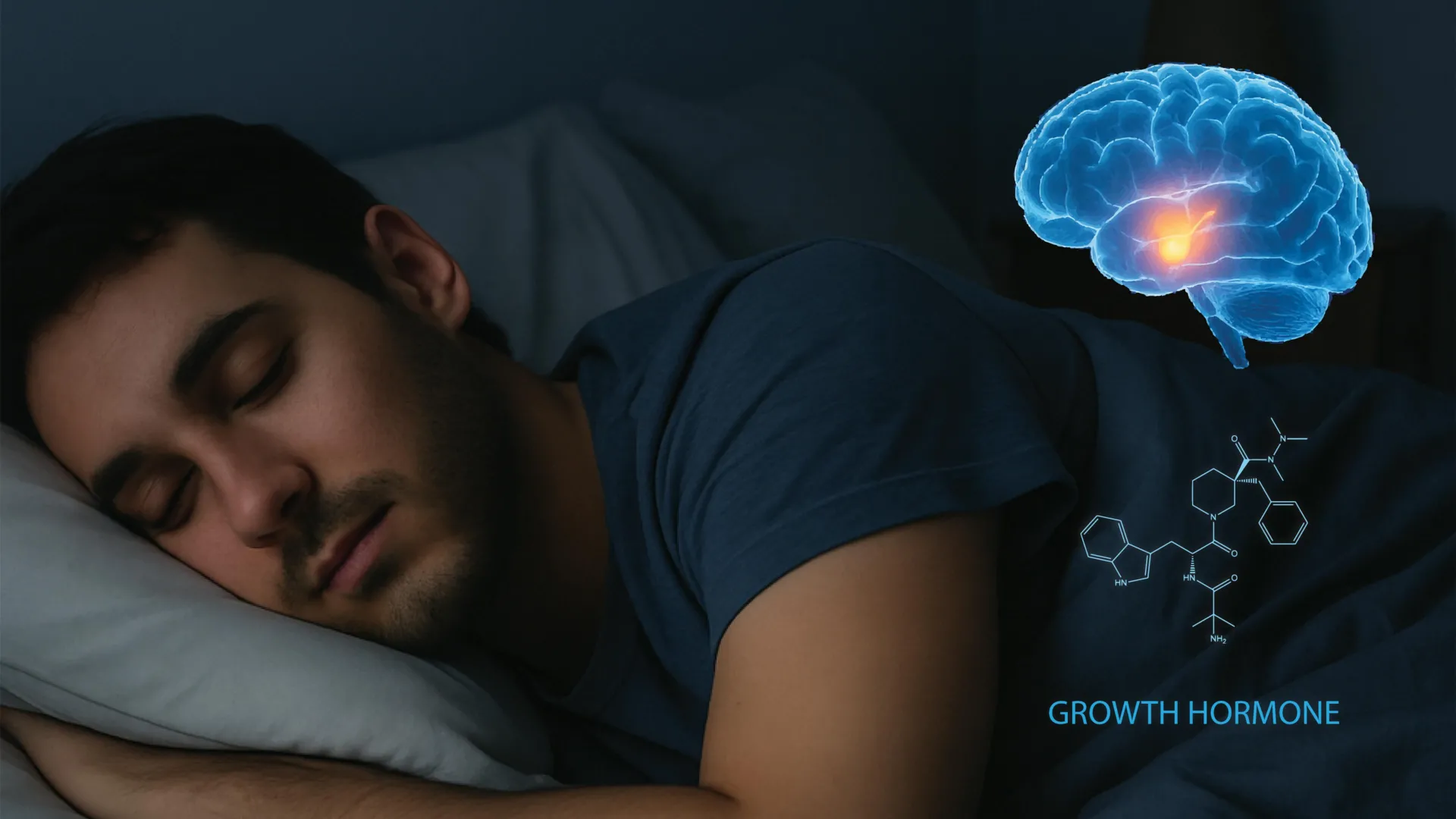
A UC Berkeley team traced how non-REM sleep unleashes growth hormone — and found the hormone loops back to nudge the brain awake, a self-balancing system tied to muscle, fat and memory.

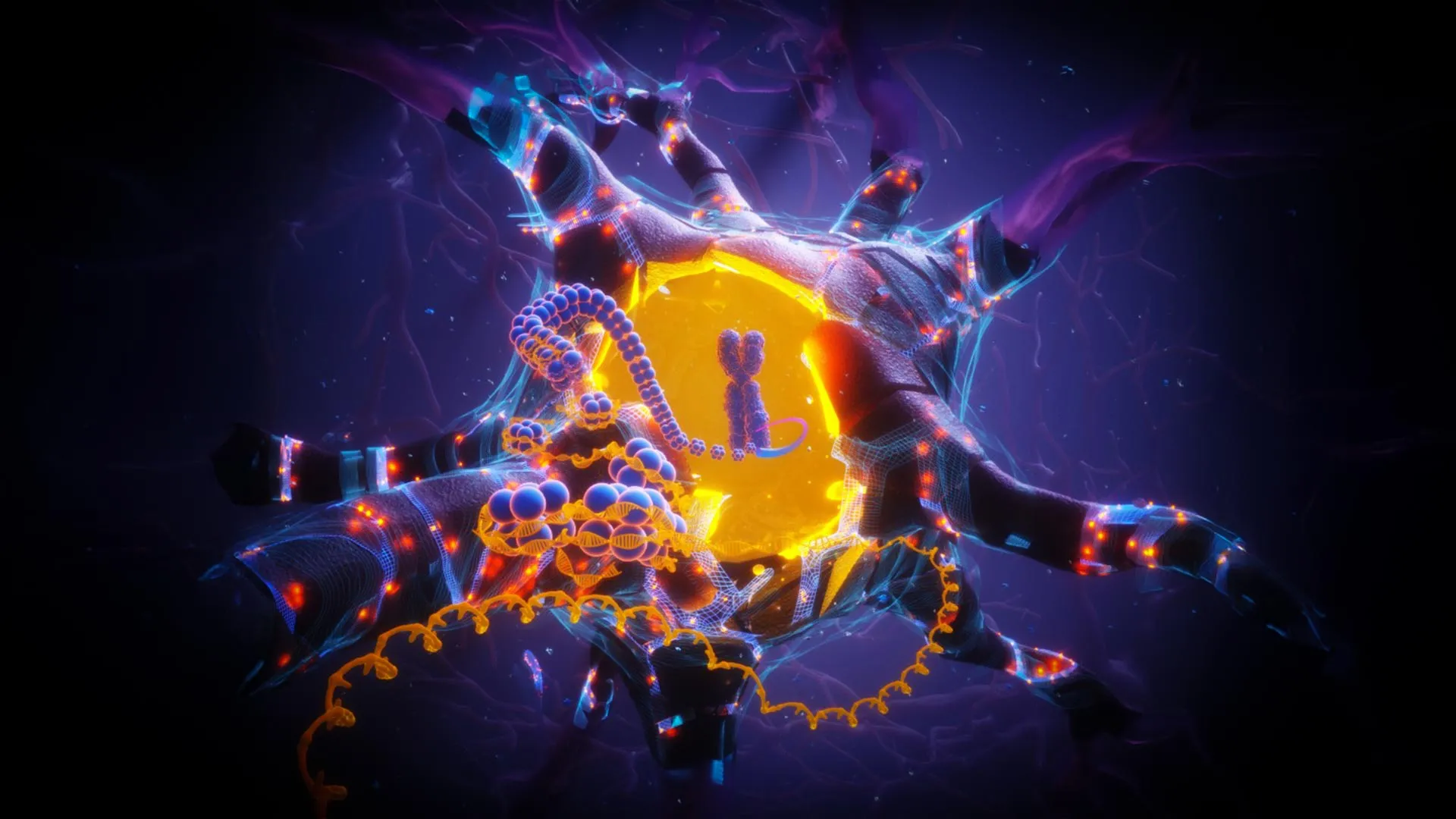
Researchers at King's College London have identified 'karyoptosis,' a form of cell death in which a neuron's nucleus shrinks and shatters under the strain of toxic proteins — a process far more common in diseased brains than healthy ones.

Two types of cerebellar cells long assumed to move in lockstep often don't, a Virginia Tech study finds — suggesting scientists have been watching the wrong signals in disorders like ataxia and dystonia.

Kyoto University researchers report in Nature that migrating neurons suffer double-strand DNA breaks as they squeeze through developing tissue, a hidden hazard of brain construction.

In the journal Neuron, Cold Spring Harbor scientists propose that brain cells find their place by tracking their own lineage — a positioning system that could also inform AI design.

A small group of cells in the brain's ancient thalamic reticular nucleus acts as a gatekeeper for attention; switching them off in mice produced ADHD-like distractibility.

ETH Zurich researchers traced dementia to a malfunctioning protein clustering around brain cells' power plants, then showed an experimental molecule, Compound 10, could blunt the damage.

Research from the Center for BrainHealth challenges the assumption that cognitive decline is inevitable, finding that daily habits can strengthen the mind at any age.

A Boston Children's Hospital team found that microglia accumulate the same mutations that fuel blood cancers — and instead of cancer, they may stoke the inflammation that kills neurons.

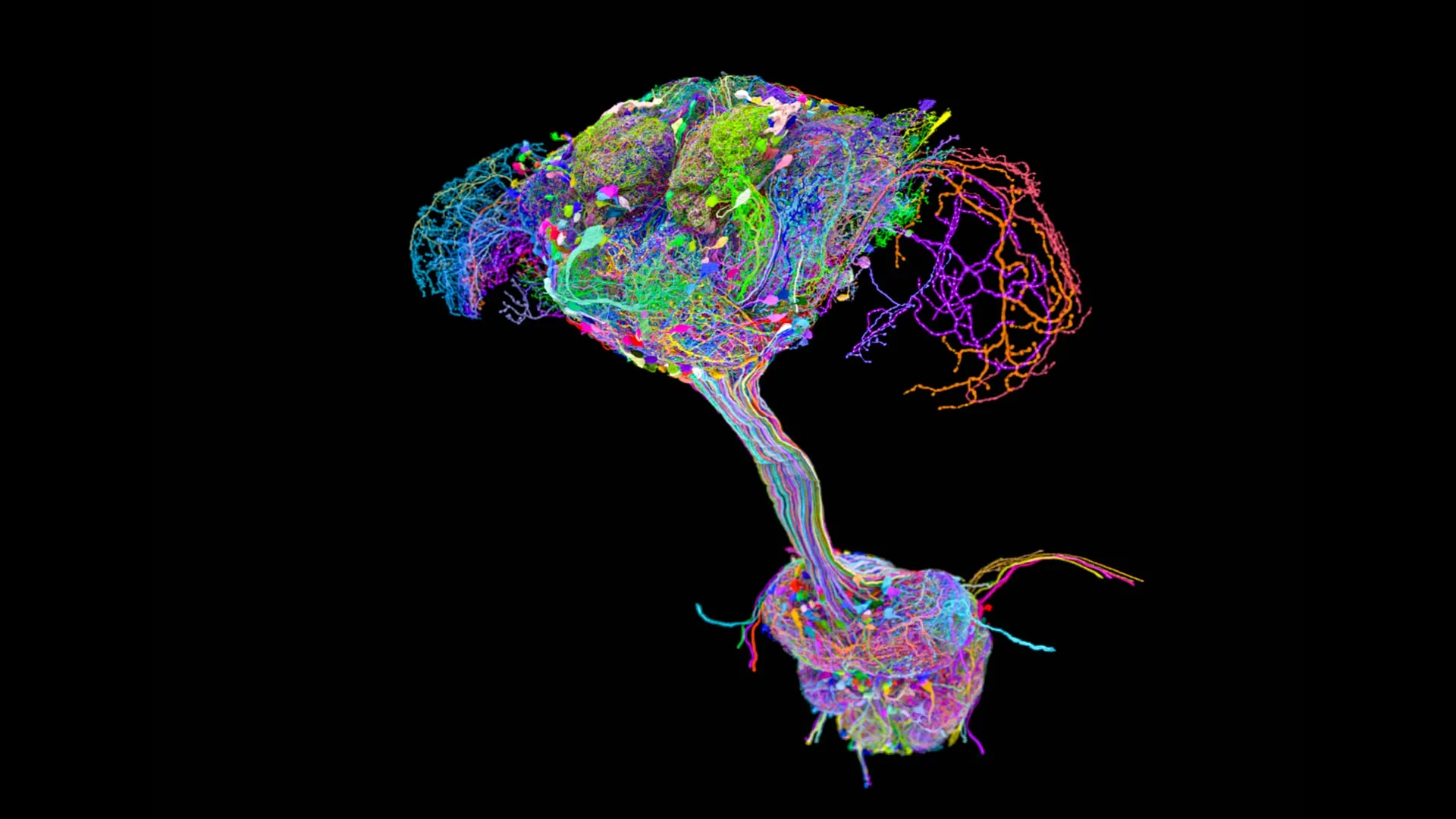
Groundbreaking connectome study shows complex behaviors emerge from distributed local circuits rather than central brain control, challenging assumptions about how nervous systems work.

Groundbreaking connectome study shows complex behaviors emerge from distributed local circuits rather than central brain control, offering new understanding of how nervous systems work.

Groundbreaking connectome of 160,000 neurons suggests complex behaviors emerge from distributed local circuits rather than centralized brain control, offering new clues about how nervous systems work.

Researchers discovered that acetylcholine surges when expectations aren't met, triggering more flexible decision-making in challenging situations.

Researchers find that disappointment triggers acetylcholine surge, making animals more likely to try new strategies when old ones fail.

A new wave of research argues that the test for consciousness should be how a mind works, not how it behaves — a shift that points toward insects having inner experience while today's chatbots merely 'roleplay' it.

Recording activity across an entire vertebrate brain, scientists watched a wave of coordinated signaling sweep through the mind several seconds before a fish chose to approach another — and the stronger the signal, the more social the animal.

An international team links 'hyperconnectivity' and 'hypoconnectivity' signatures in brain imaging to distinct genetic and immune pathways, using mouse models as a biological Rosetta Stone.
The Seattle research powerhouse is launching a Brain Health Accelerator aimed at gene therapies for Alzheimer's, Parkinson's, Huntington's and ALS that target diseased cells, not just proteins.

Cambridge scientists grew a miniature human nervous-system circuit that twitched real muscle, then discovered that neurons lose their power to regrow around mid-pregnancy. An existing hormone drug dramatically restored that ability.

Researchers identified specific amygdala neurons whose imbalanced activity alone can trigger pathological behaviors, then successfully restored normal function.

Compounds fusing vitamin K with retinoic acid were three times better than natural vitamin K at turning stem cells into neurons, pointing to a possible new front against Alzheimer's and Parkinson's.

New research reveals that weight loss through intermittent fasting involves rewiring both gut bacteria and brain regions that control appetite and cravings.

Researchers found that sleep loss damages brain circuits responsible for social memory, but caffeine can restore communication between neurons and reverse memory deficits.

By switching off a genetic brake on nerve growth — and repurposing a decades-old hormone drug — University of Cambridge researchers coaxed damaged human neurons to regenerate, raising hopes for spinal injury, MS and motor neurone disease.

Researchers found that removing the IDOL enzyme from neurons significantly reduced amyloid plaques and improved brain processes linked to resilience.

Researchers tracked steroidogenic factor-1 neurons in the hypothalamus that stay active for an hour after exercise and appear to be the brain's 'endurance trainer.'

A major analysis found that people with anxiety disorders have significantly lower choline levels in their brains, potentially pointing toward new nutrition-based treatments.

Researchers identify TRPV4 molecule as key component in nervous system's natural itch relief mechanism.

The first rigorous demonstration of goal-directed learning in human brain organoids - success rate jumped from 4.5% to 46% - comes with a new open-source toolkit for the field.

Recordings from more than 5,000 hippocampal neurons in surgical patients show the unconscious brain learns to distinguish tones within ten minutes and runs a predictive model of meaning while the patient cannot open their eyes.

Arginine reduces toxic brain protein buildup and improves behavior in animal studies, offering potential for affordable treatment approach.

Researchers raised levels of the gene-regulating protein Sox9 in star-shaped support cells called astrocytes, triggering the brain to clear toxic amyloid plaques 'like a vacuum cleaner' and preserving memory in mice with established disease.

Researchers pinpoint two specific cell types that behave differently in depression, offering new treatment targets.

Breakthrough study using donated brain tissue reveals cellular changes in neurons and immune cells, providing clearest biological evidence of depression's physical basis.

Researchers at McGill University have pinpointed two distinct cell types that function differently in people with depression, offering new targets for treatment.
Showing the latest 60. More in Science.