Nobel Medicine Prize Goes to Deisseroth, Nagel and Hegemann for Optogenetics
The trio is honored for light-gated ion channels and the technique that lets scientists switch individual brain cells on and off with flashes of light.

The 2026 Nobel Prize in Physiology or Medicine was awarded Monday to Karl Deisseroth of Stanford University, Peter Hegemann of Humboldt University of Berlin and Georg Nagel of the University of Würzburg for discoveries that created optogenetics, a method for controlling cells with light.
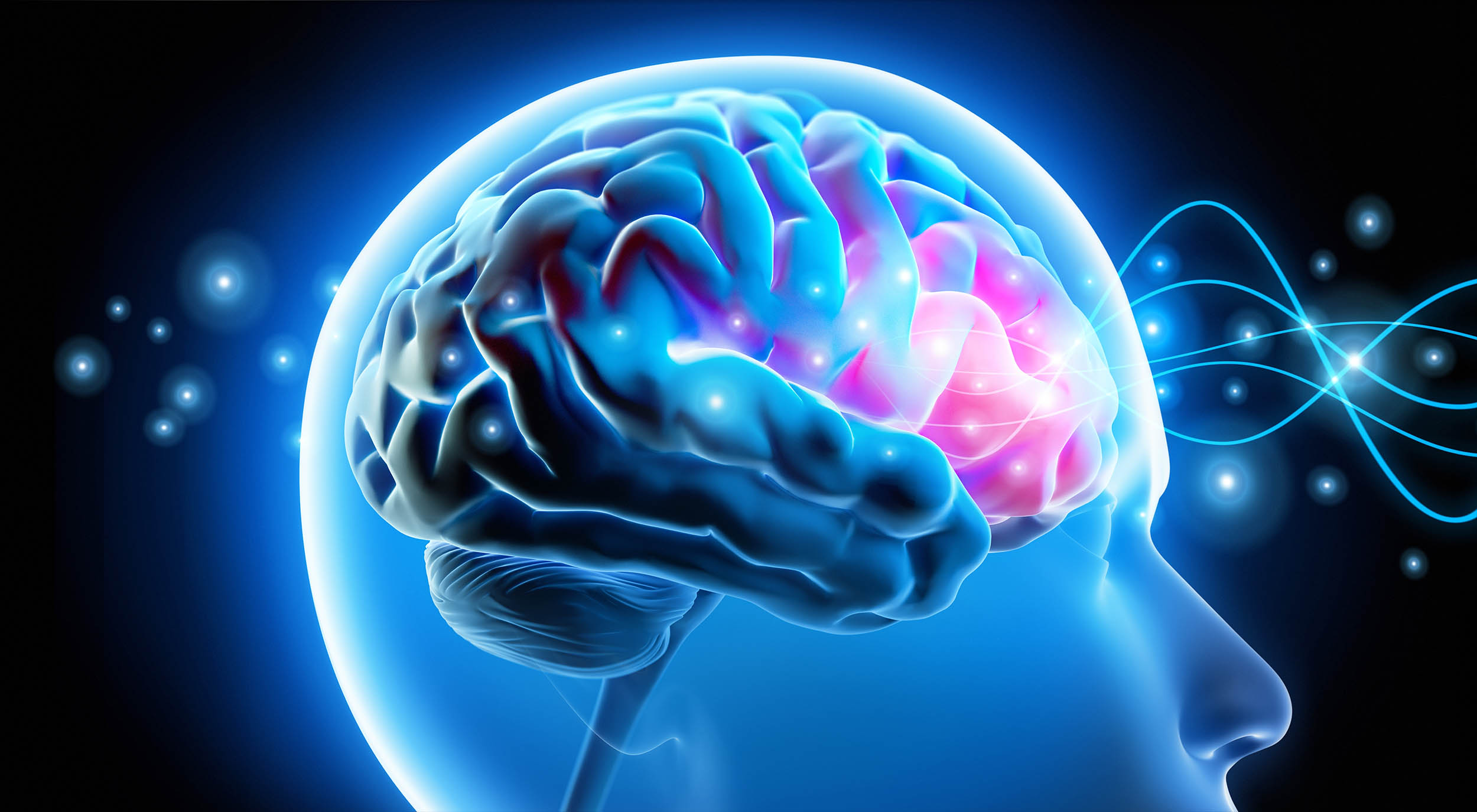
Optogenetics lets researchers turn individual nerve cells on or off inside a living brain, with millisecond precision. That ability has changed how neuroscientists work, because it allows them to test cause and effect rather than only watch brain activity. A scientist can switch on a specific group of neurons and see what behavior or memory follows.
The story begins with a single-celled green alga called Chlamydomonas, which swims toward light. In the early 1990s, Hegemann and Nagel, working at the Max Planck Institute, identified how. They found channelrhodopsin, a light-sensitive protein that forms an ion channel in the cell membrane and opens rapidly when struck by light.
Other researchers began applying light sensitivity to neurons between 2002 and 2004. In 2005, Deisseroth published a landmark paper showing that the approach worked in living brain tissue. He introduced the gene for the protein into rat nerve cells, so that blue light could trigger a nerve signal.
Deisseroth, 55, who also works with the Howard Hughes Medical Institute, described the idea plainly. "We're not using light to collect information, we're using light to cause things to happen," he said. "It's using light to turn cells on or off with that millisecond precision." Hegemann is 72 and Nagel is 73.
The prize carries 12 million Swedish kronor, roughly $1.2 million. Nobel rules cap the number of recipients at three, which means some contributors were left out. Social media users pointed in particular to Ed Boyden of MIT, who was Deisseroth's first-author Ph.D. student on the 2005 paper.
Beyond basic research, the technique has therapeutic ambitions. Scientists have used it to study conditions from depression to Parkinson's disease and to explore ways of restoring vision. Many of those applications remain in the laboratory or in early trials, but the tool itself is now standard equipment in neuroscience labs worldwide.
The award also honors a collaboration across countries and decades. Two German biophysicists chasing the way an alga finds light supplied the protein, and an American psychiatrist and bioengineer turned it into a tool now found in neuroscience laboratories around the world.
The Nobel committee's choice reflects how much of modern brain research now rests on the ability to manipulate cells with light. The technique's value comes less from any single discovery than from the way it turned a curiosity of algal biology into a general-purpose switch for living tissue.