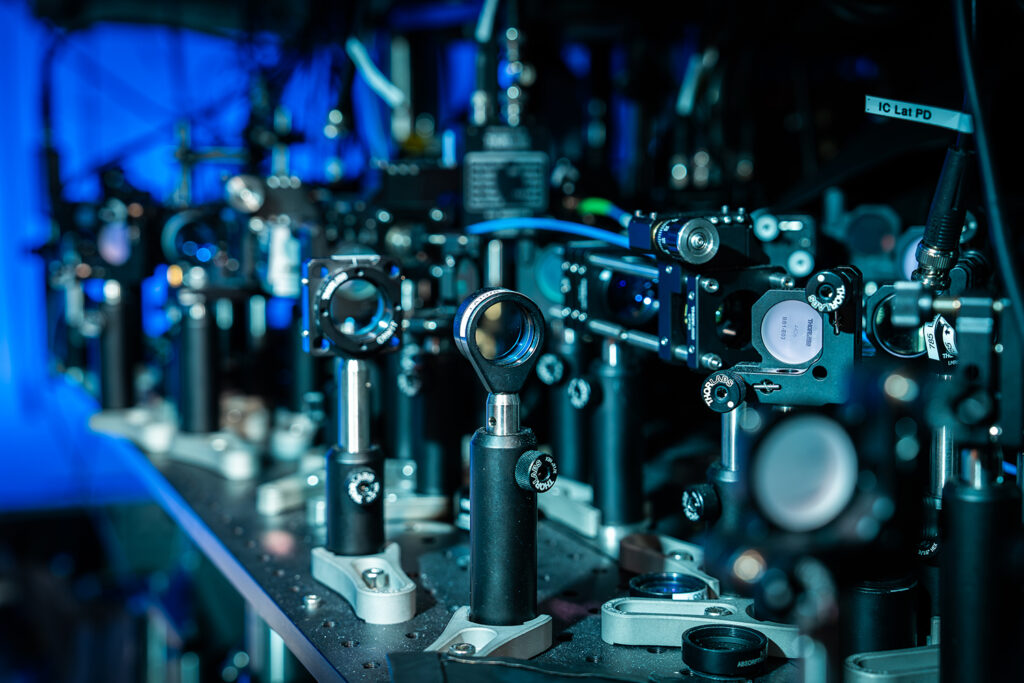
Stanford Chip Untangles Mixed Laser Light Into Clean Beams, a Trick Theorized in the 1980s
A fingernail-sized photonic chip sorted partially coherent light from two and then three lasers into separate, uncorrelated beams for the first time.

Topic
22 stories from Planck Standard. Latest: November 3, 2026.

A fingernail-sized photonic chip sorted partially coherent light from two and then three lasers into separate, uncorrelated beams for the first time.

Stanford researchers say the Hadza and Tsimane microbes were likely inherited from common ancestors in Africa and carried across the Bering land bridge, while outside experts caution the health implications are unproven.

The trio is honored for light-gated ion channels and the technique that lets scientists switch individual brain cells on and off with flashes of light.

Forebrain and midbrain come from cells expressing Otx2; the hindbrain, which runs breathing and heartbeat, from cells expressing Gbx2. The finding, in Nature Neuroscience, explains why no one could grow human hindbrain neurons in a dish, and now they can, opening a path for ALS and spinal muscular atrophy research.

Quantum jumps were seen in trapped ions in 1986 and in photons in 2007. Sound took another 19 years. The team paired a chip-scale resonator with a superconducting qubit that checked hundreds of times whether one phonon was still there.

Ten thousand ultracold atoms in a mirrored cavity behaved like a spin glass, and the photons bouncing between them acted as synapses that rewired themselves.

Using an electron beam that takes snapshots on ultrafast timescales, a Stanford-led team found that light-generated charge carriers pile into dense local pockets — at densities far above what the calculations predicted.

Blocking EP2 on tissue-resident macrophages kept old mice lean, strong and able to run a maze. A drug version worked on animals already 22 months old.
Judge Noel Wise ruled for The Stanford Daily, whose international staff said they were afraid to report on the war. It is the second federal court in a year to find the deportation policy unconstitutional.
Stanford and Arc Institute researchers used the Evo genome language models to design bacteriophages no evolution ever produced — the first peer-reviewed case of generative AI building a functioning viral genome.

Some 252 million years ago, roughly 96% of marine species vanished. A new study pinpoints which animals' metabolisms could not survive warmer, oxygen-starved seas.

A treatment that targets a “gerozyme” restored shock-absorbing cartilage in old mice and prevented arthritis after joint injuries, raising hopes of avoiding knee and hip replacements.

In flatworms, Stanford researchers found a never-before-seen cell that detonates within two minutes of sensing a hormone, unleashing the most violent form of cell death ever recorded.

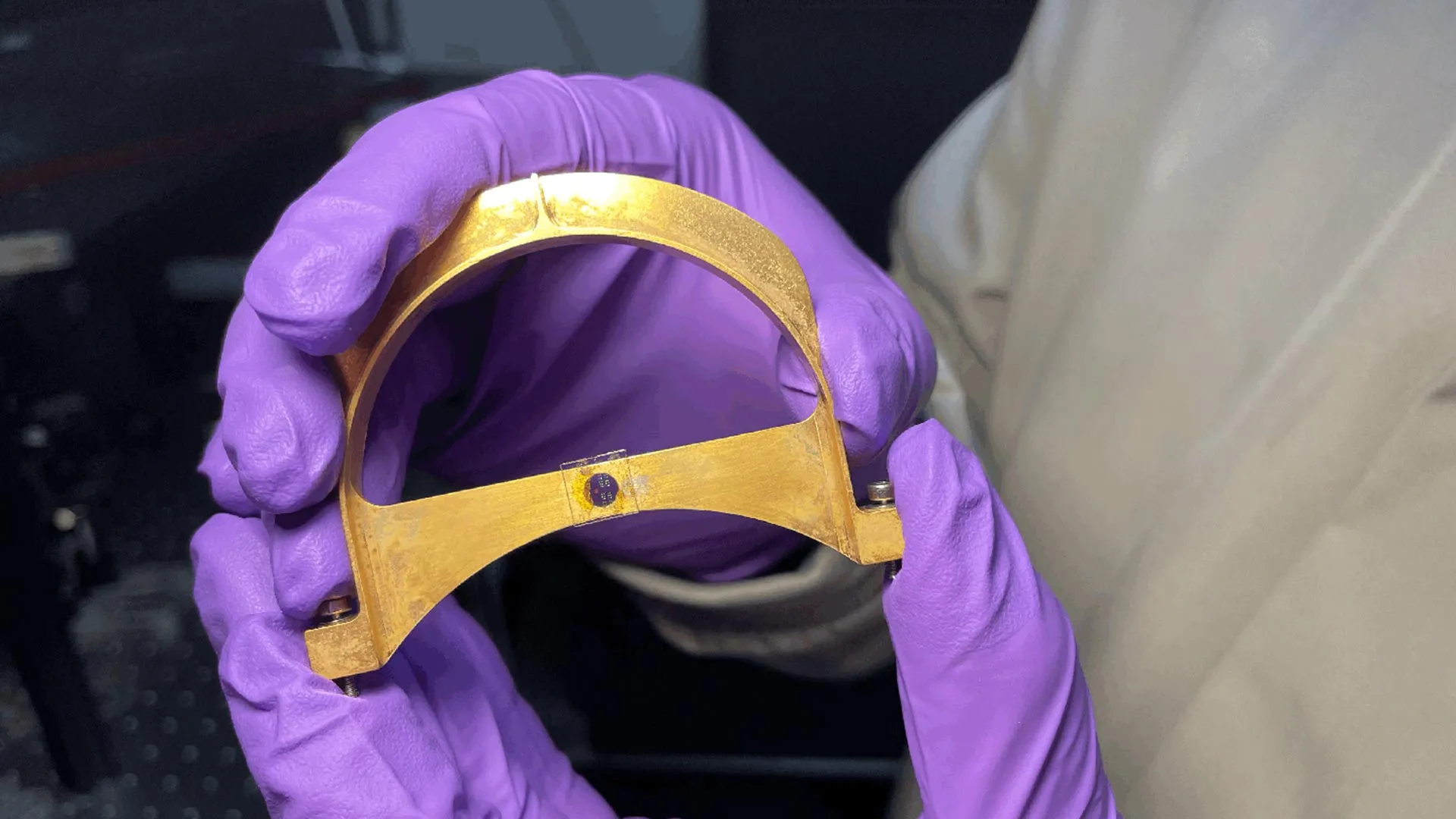
A new room-temperature quantum device uses twisted light to entangle photons and electrons, overcoming one of the biggest hurdles in quantum technology development.

Stanford researchers develop nanoscale device that creates quantum entanglement without extreme cooling, potentially revolutionizing quantum technology costs and accessibility.

The breakthrough quantum system operates without extreme cooling by using twisted photons to entangle light and electrons, potentially enabling smaller and cheaper quantum technologies.

The breakthrough device uses twisted light to entangle photons and electrons without extreme cooling, potentially making quantum technology smaller and more affordable.

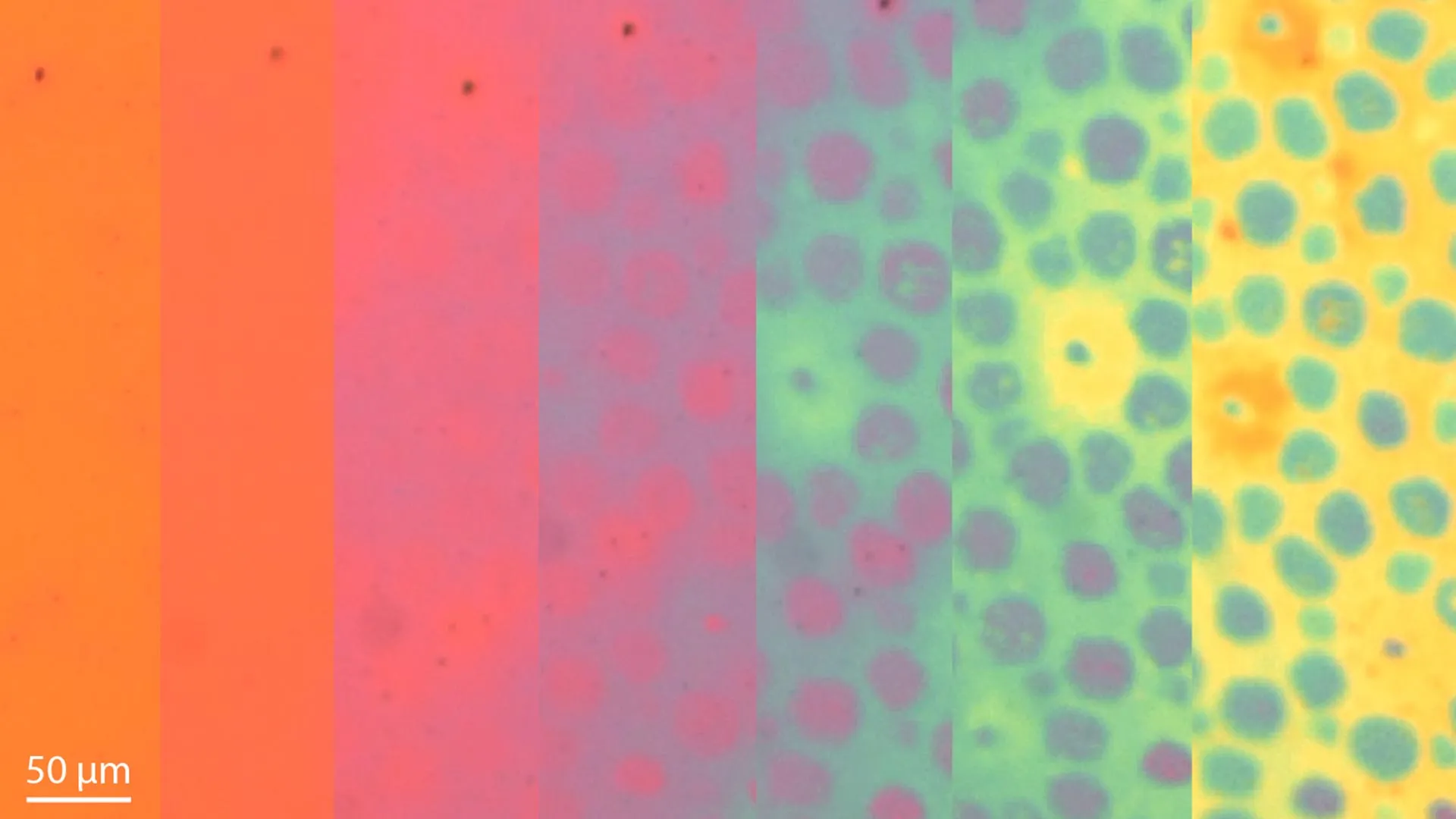
Revolutionary polymer can transform its surface patterns and colors in seconds, potentially enabling AI-controlled camouflage systems and flexible displays.
Stanford researchers develop breakthrough material that can change both texture and color in seconds, inspired by marine creatures.
Breakthrough shape-shifting material mimics cephalopod camouflage abilities, forming detailed patterns at nanoscale with potential applications in displays and adaptive camouflage.

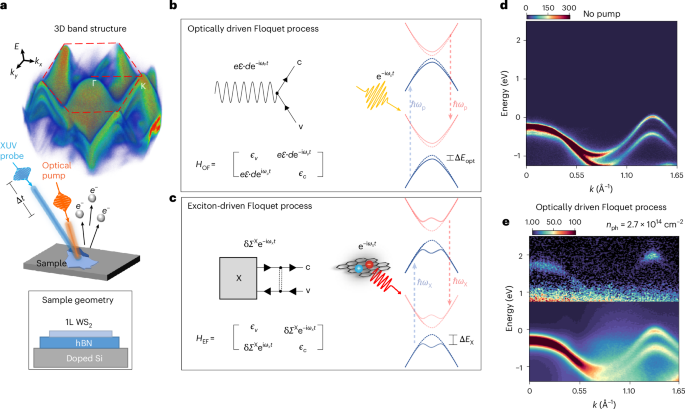
A global team at OIST and Stanford found that bound electron-hole pairs in atomically thin semiconductors reshape a material's quantum properties far more efficiently than laser light, at a fraction of the energy cost.

By giving every atom its own miniature mirror resonator to capture escaping photons, Stanford physicists demonstrated a 40-qubit array and a 500-cavity prototype — the clearest route yet to quantum systems far beyond today's best machines.