Stanford Scientists Regrow Lost Cartilage and Reverse Arthritis by Blocking an Aging Protein
A treatment that targets a “gerozyme” restored shock-absorbing cartilage in old mice and prevented arthritis after joint injuries, raising hopes of avoiding knee and hip replacements.
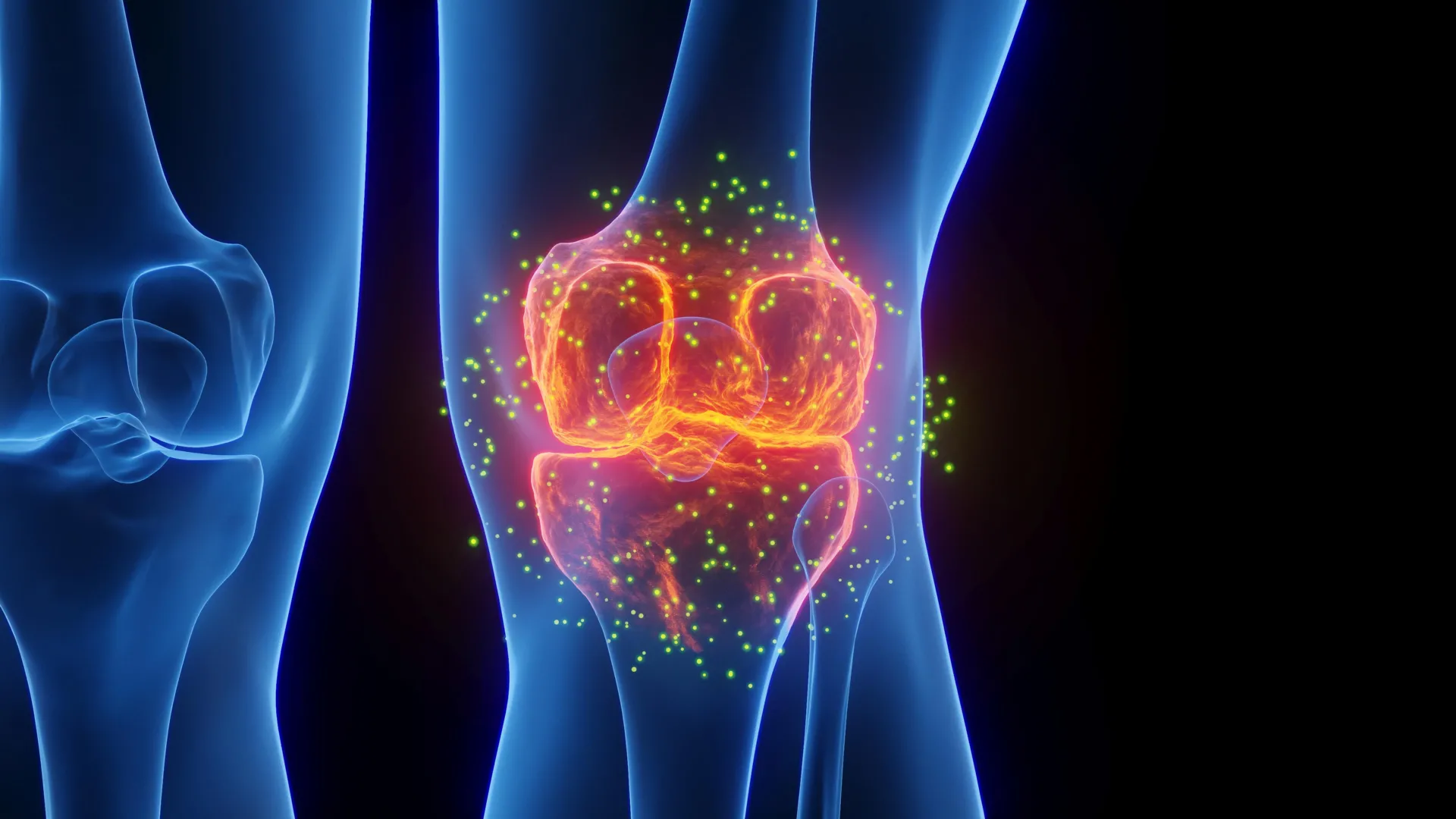
Scientists at Stanford Medicine have restored lost knee cartilage in aging mice and prevented arthritis from taking hold after joint injuries, by blocking a single protein tied to aging — a result that researchers say could one day spare millions of people from joint-replacement surgery. The study, published in the journal Science, points to a new strategy for regenerating tissue that the body normally cannot repair on its own.
The treatment targets a protein called 15-PGDH, which the researchers describe as a “gerozyme” — an enzyme that becomes more abundant with age and contributes to the gradual decline of tissues throughout the body. By inhibiting 15-PGDH, the team prompted cartilage-producing cells called chondrocytes to shift their gene activity toward a more youthful state, regenerating cartilage without the need for stem-cell transplants.
In experiments, the therapy restored healthy, shock-absorbing cartilage in old mice and dramatically improved their movement and joint function. Crucially, the same treatment also stopped arthritis from developing after knee injuries designed to mimic ACL tears, the kind of damage common among athletes and weekend warriors that often leads to osteoarthritis years later.
The results extended beyond animals. Researchers tested the approach on human tissue samples collected during knee-replacement surgeries and found that the treated tissue showed fewer degrading cells and began producing new, functional articular cartilage. “This is a new way of regenerating adult tissue, and it has significant clinical promise for treating arthritis due to aging or injury,” said Helen Blau, a Stanford professor who helped lead the work alongside orthopedic surgery researcher Nidhi Bhutani.
Osteoarthritis, driven by the breakdown of cartilage, is among the most common causes of disability worldwide, and current treatments largely manage pain rather than rebuild damaged joints. The possibility of repairing cartilage with a local injection or even an oral medication could reshape care, potentially reducing or eliminating the need for knee and hip replacements that are now routine for older patients.
The researchers cautioned that results in mice and lab tissue do not guarantee success in people, and human trials specifically for cartilage regeneration remain ahead. Still, the path may be shorter than for many discoveries: an oral version of a 15-PGDH-blocking treatment is already being tested in clinical trials for age-related muscle weakness, giving scientists a head start on understanding the drug’s safety in humans as they pursue its promise for aging joints.