Stanford Scientists Create Octopus-Inspired Material That Changes Color and Texture in Seconds
Breakthrough shape-shifting material mimics cephalopod camouflage abilities, forming detailed patterns at nanoscale with potential applications in displays and adaptive camouflage.

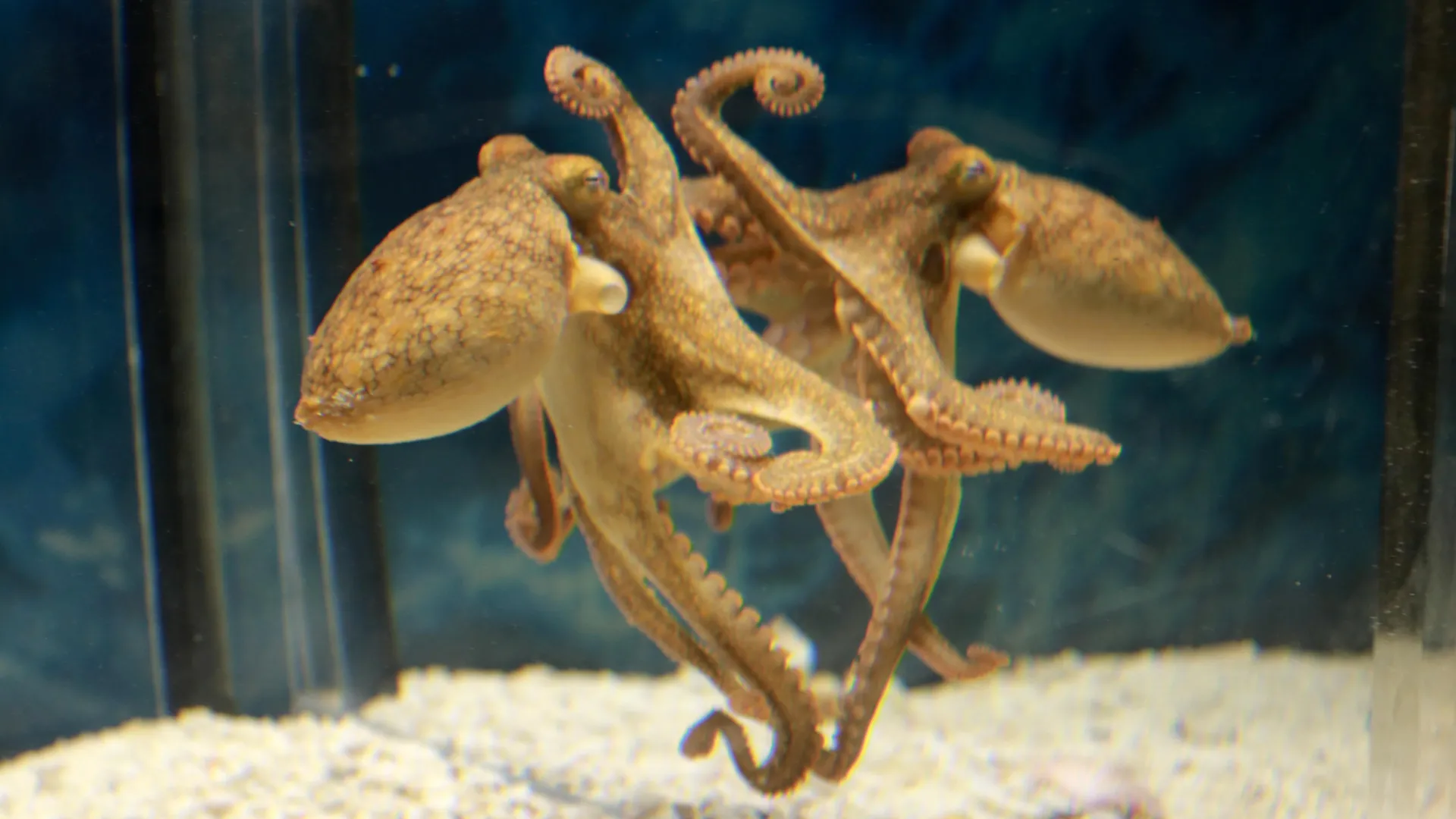
Researchers at Stanford University have developed a revolutionary shape-shifting material that can rapidly alter both its surface texture and color, directly inspired by the remarkable camouflage abilities of octopuses and cuttlefish. The flexible material can form intricate patterns smaller than a human hair within seconds, representing a major breakthrough in biomimetic engineering published in the prestigious journal Nature.
Doctoral student Siddharth Doshi, the study's first author, emphasized the significance of texture in material science: "Textures are crucial to the way we experience objects, both in how they look and how they feel. These animals can physically change their bodies at close to the micron scale, and now we can dynamically control the topography of a material - and the visual properties linked to it - at this same scale." The achievement opens new possibilities for adaptive camouflage systems, flexible displays, and advanced wearable devices.
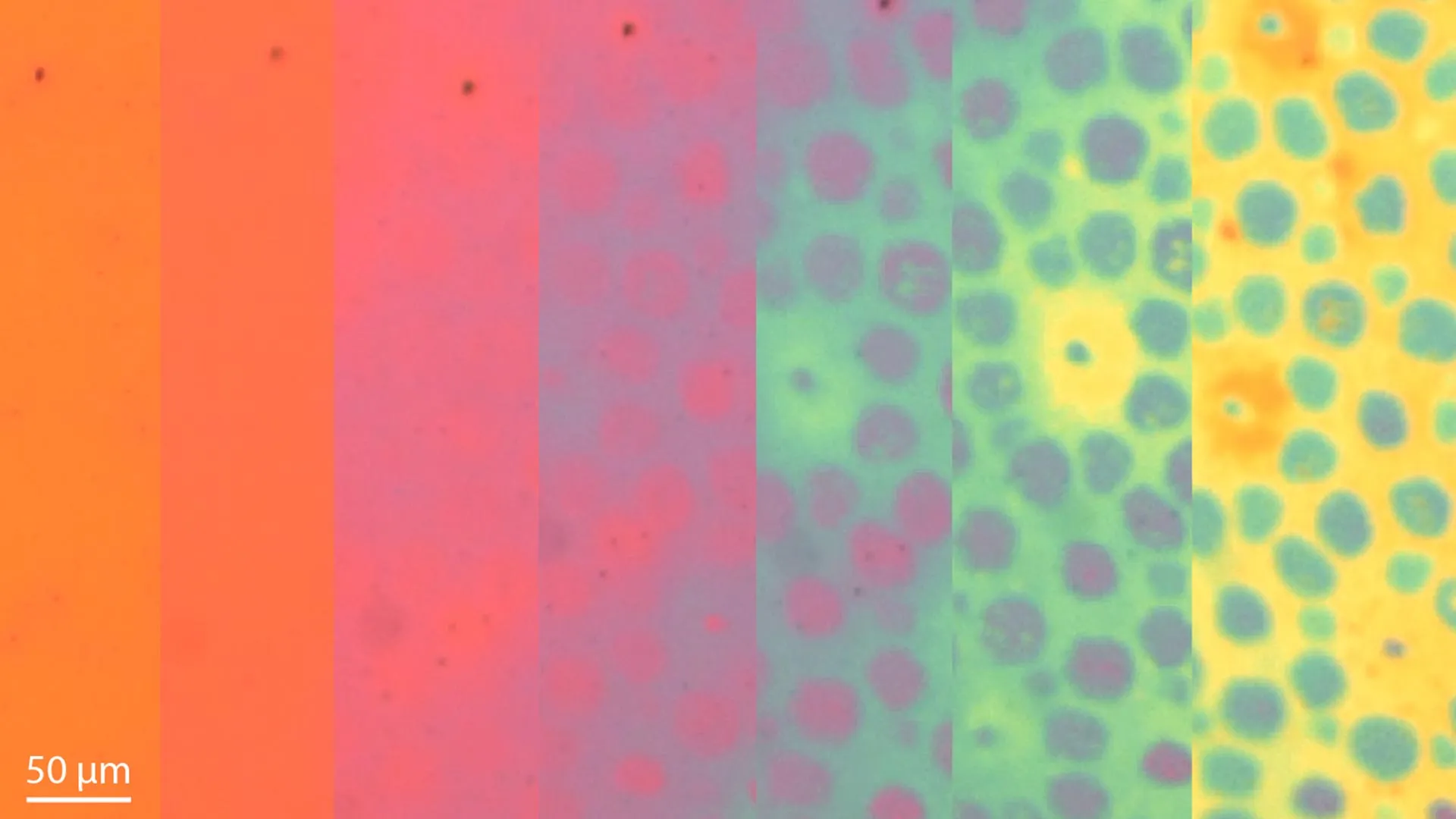
The team's innovative approach combines electron-beam lithography, a technique commonly used in semiconductor manufacturing, with a water-responsive polymer film. When exposed to focused electron beams, specific regions of the film become more or less water-absorbent. As the material takes in water, these treated regions swell differently, creating complex patterns that only appear when the film is wet. The process is entirely reversible - adding an alcohol-like solvent removes the water and returns the surface to its original flat state.
Professor Nicholas Melosh, a senior author on the paper, highlighted the unique properties of their system: "There's just no other system that can be this soft and swellable, and that you can pattern at the nanoscale. You can imagine all kinds of different applications." The precision of the technique allowed researchers to create a miniature three-dimensional version of Yosemite's El Capitan that remains completely flat when dry but rises from the film when water is added.
The discovery emerged from an unexpected observation during earlier experiments. Doshi had been examining nanostructures with a scanning electron microscope and chose to reuse samples rather than discard them. During subsequent tests, he noticed that areas previously exposed to electron beams displayed distinct colors and behaviors. By carefully controlling the material's swelling properties, the team can also manipulate how it reflects light, enabling transitions between glossy and matte finishes that exceed current screen capabilities. Future developments could include AI integration, allowing the material to automatically adapt its appearance to match surrounding environments.