Scientists Create Shape-Shifting Material That Mimics Octopus Camouflage Abilities
Stanford researchers develop breakthrough material that can change both texture and color in seconds, inspired by marine creatures.

Researchers at Stanford University have created a revolutionary shape-shifting material that can rapidly alter both its surface texture and color, closely mimicking the remarkable camouflage abilities of octopuses and cuttlefish. The breakthrough, published in the journal Nature, represents a major advance in materials science that could transform applications ranging from military camouflage to flexible displays for wearable devices.
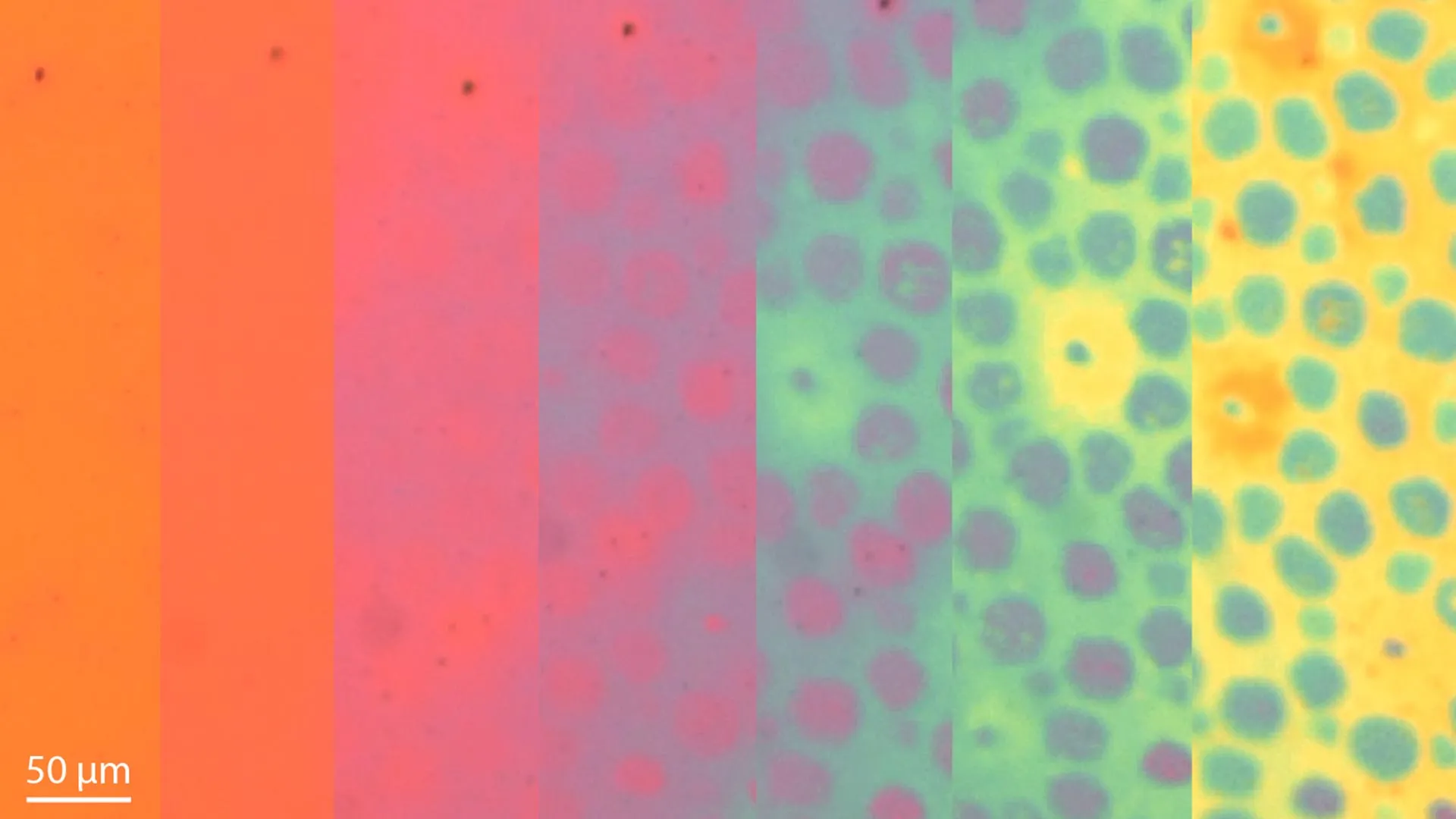
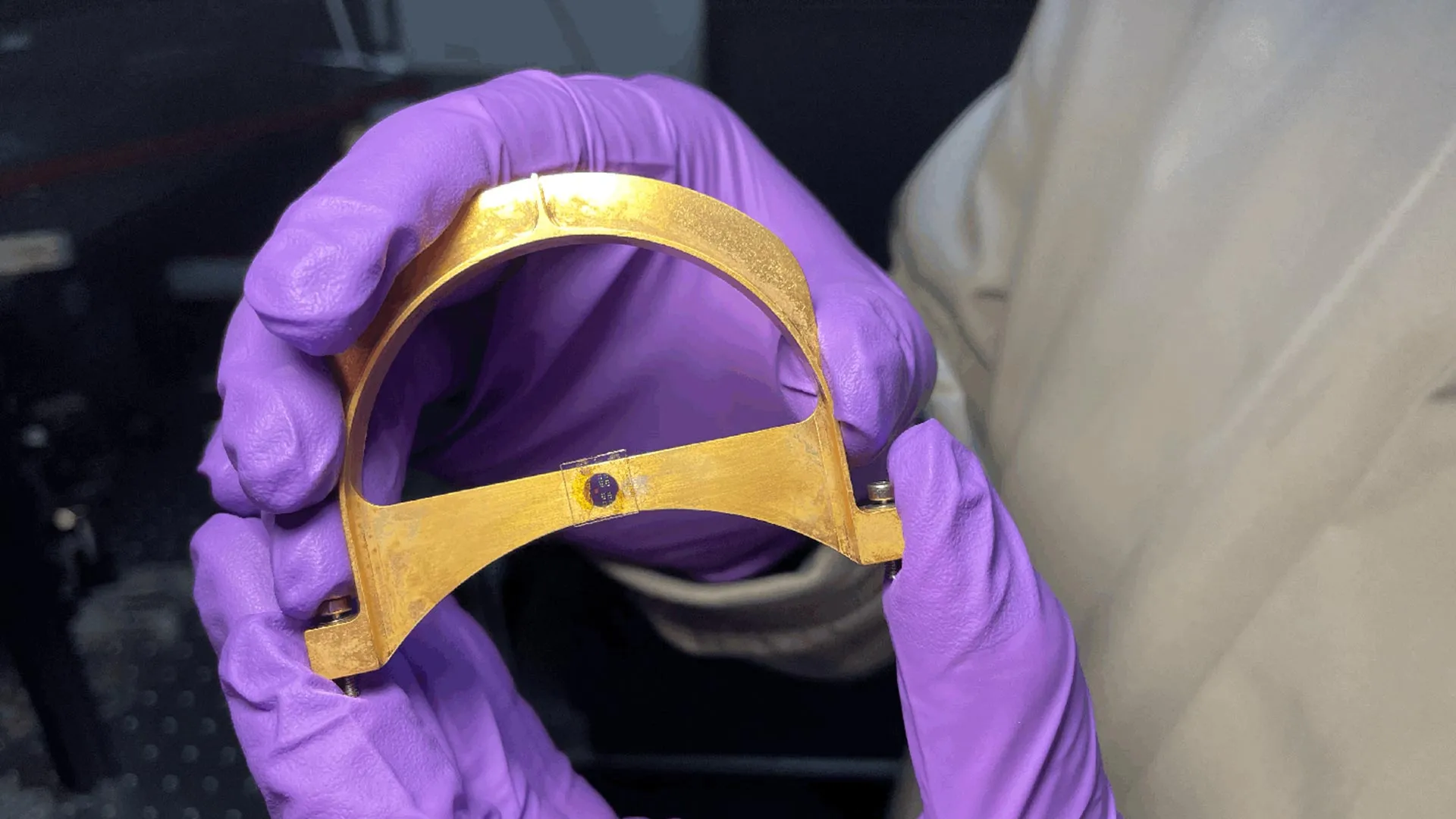
The innovative material works by combining electron-beam lithography, a technique commonly used in semiconductor manufacturing, with a water-responsive polymer film. When exposed to focused electron beams, specific regions of the film become more or less water-absorbent. As the material takes in water, these regions swell differently, creating intricate three-dimensional patterns that emerge only when the film becomes wet.
"Textures are crucial to the way we experience objects, both in how they look and how they feel," said Siddharth Doshi, a doctoral student in materials science and engineering at Stanford and first author of the study. "These animals can physically change their bodies at close to the micron scale, and now we can dynamically control the topography of a material - and the visual properties linked to it - at this same scale."
The precision of this technique allows for remarkable detail, with researchers even creating a miniature version of Yosemite's El Capitan that rises from a flat surface when water is added. By carefully controlling how much the material swells, the team can also manipulate how it reflects light, enabling switches between glossy and matte finishes that surpass current screen capabilities.
The discovery occurred somewhat by accident when Doshi reused polymer film samples that had been previously exposed to electron beams in a scanning electron microscope. During later experiments, he noticed that the previously exposed areas behaved differently and displayed distinct colors, leading to the realization that electron beams could control topography at very fine scales. This innovation opens new possibilities in nanophotonics and could eventually enable AI-controlled materials that automatically blend into their surroundings.