
Science
Nobel Medicine Prize Goes to Deisseroth, Nagel and Hegemann for Optogenetics
The trio is honored for light-gated ion channels and the technique that lets scientists switch individual brain cells on and off with flashes of light.
Topic
20 stories from Planck Standard. Latest: October 5, 2026.
The trio is honored for light-gated ion channels and the technique that lets scientists switch individual brain cells on and off with flashes of light.

Rapamycin quieted brain overactivity, reduced seizure risk and eased repetitive behavior in animals whose symptoms traced back to inflammation before birth — but the effect faded.
In a UCSF and Imperial College London trial, a single 25-milligram dose of the psychedelic triggered a surge in 'brain entropy' within an hour and left measurable changes detectable a full month later, hinting at how it may loosen rigid thinking.
A new study finds decision signals appear in the brain's very first sensory relay, not just its command centers, upending a core assumption behind modern artificial intelligence.

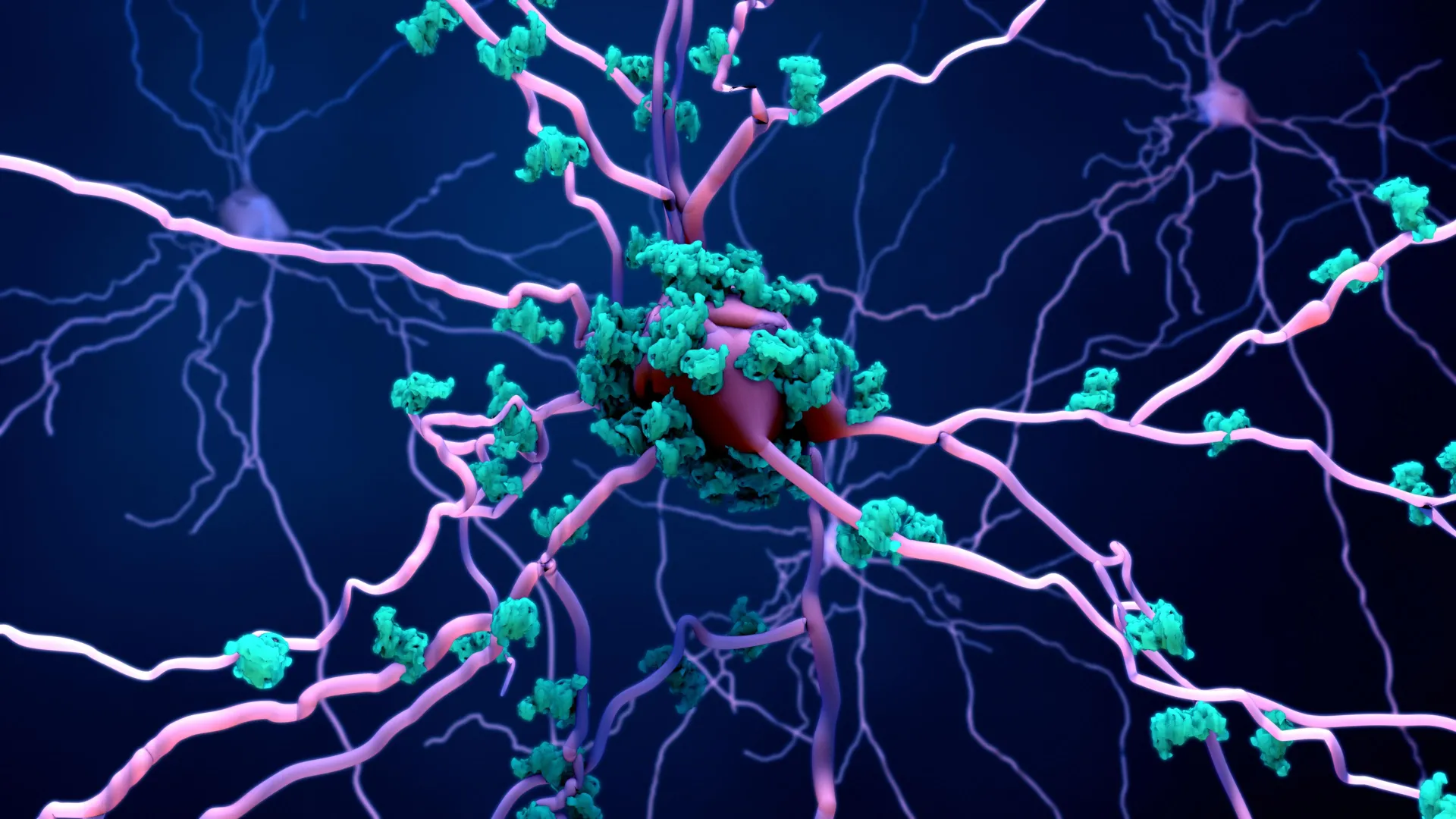
Penn State researchers discovered that a lattice-like skeleton just beneath a neuron's surface controls what the cell absorbs — and when it weakens, harmful Alzheimer's proteins flood in.
University of Illinois researchers found that decision signals reach even the brain's primary sensory areas through rapid top-down feedback, overturning the idea that perception simply flows forward.
Signals tied to decision-making showed up in a region long dismissed as a simple sensory relay, suggesting the brain weighs choices from the very first moments a signal arrives — and hinting at a blueprint for more efficient artificial intelligence.
A study in mice finds that tau — infamous for the tangles it forms in dementia — is essential during a brief window for turning fresh experiences into durable memories, reframing how scientists think about the protein.

Amsterdam UMC scientists scanned women across pregnancies and found a second one reshapes attention and movement networks, and that bigger changes tracked with fewer depression symptoms.

By redesigning a single piece of hardware with engineered 'metamaterials,' researchers sharpened scans of hard-to-image tissue — without replacing the scanner.
Researchers at King's College London have identified 'karyoptosis,' a form of cell death in which a neuron's nucleus shrinks and shatters under the strain of toxic proteins — a process far more common in diseased brains than healthy ones.
A small group of cells in the brain's ancient thalamic reticular nucleus acts as a gatekeeper for attention; switching them off in mice produced ADHD-like distractibility.
A study finds that a sliver of the genome making up less than a tenth of a percent of our DNA predicts language ability better than the other 99.9% combined.
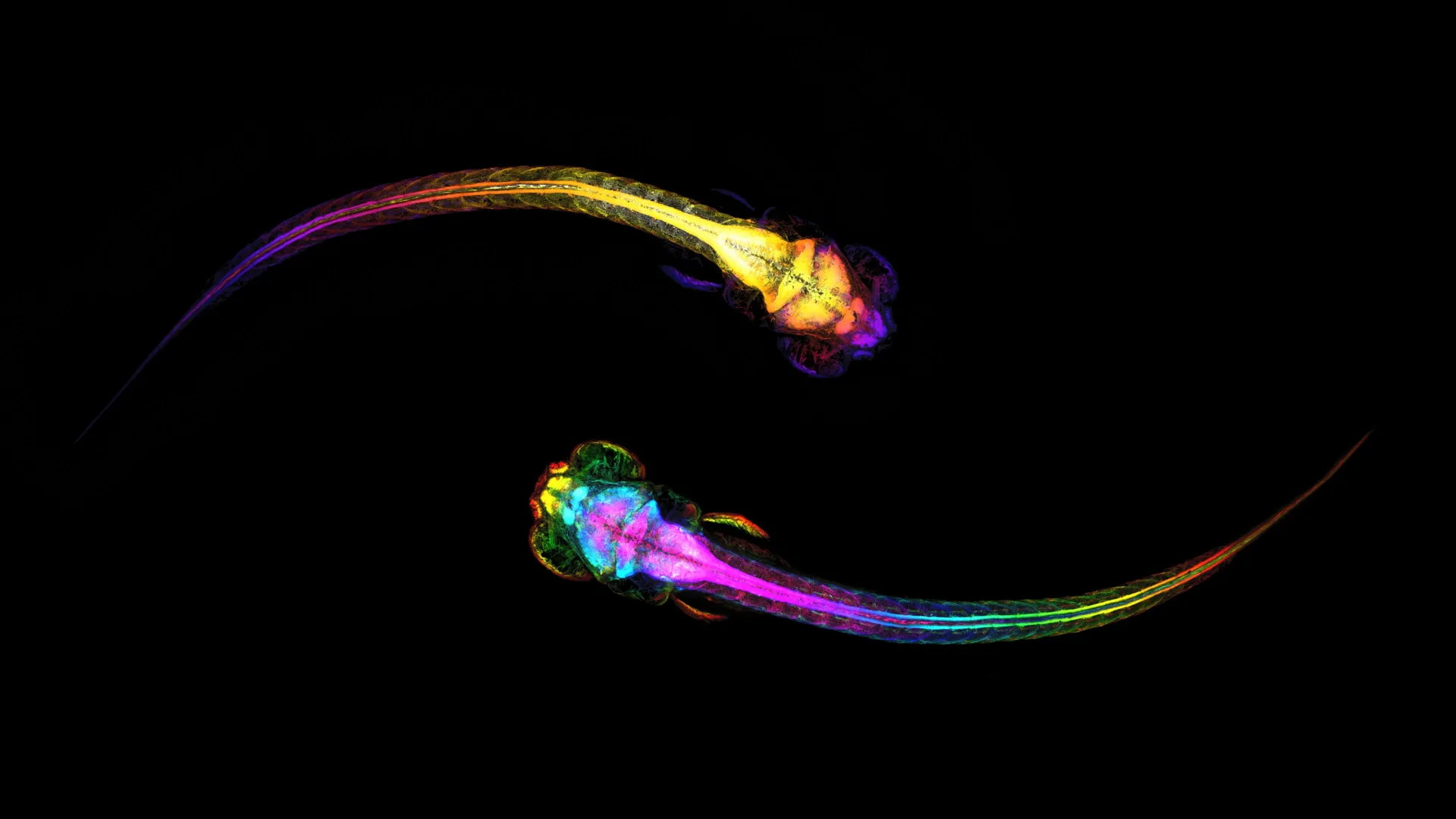
Recording activity across an entire vertebrate brain, scientists watched a wave of coordinated signaling sweep through the mind several seconds before a fish chose to approach another — and the stronger the signal, the more social the animal.

The Seattle research powerhouse is launching a Brain Health Accelerator aimed at gene therapies for Alzheimer's, Parkinson's, Huntington's and ALS that target diseased cells, not just proteins.

A comparative analysis of 2,025 individuals from 41 primate species, published in PLOS Biology, shows that bipedal proportions and relative brain size together fully account for humans' unique species-wide hand preference.

Scientists discover brain immune cells destroy smell-related nerve fibers after detecting abnormal signals, offering potential for earlier diagnosis.
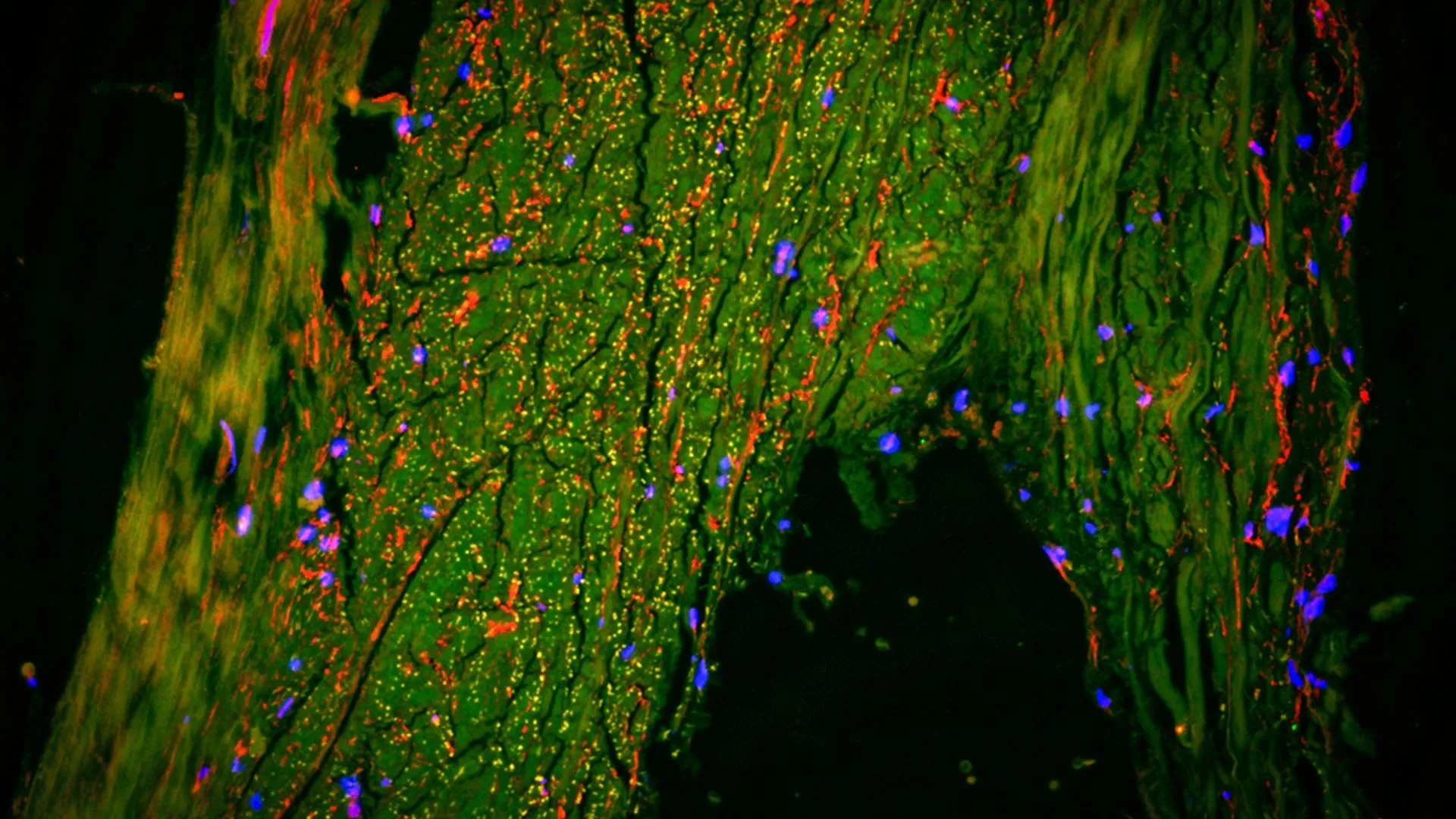
A previously unknown waste-removal pathway running along the middle meningeal artery could explain how the brain disposes of amyloid proteins and what goes wrong in Alzheimer's disease.

New research reveals that lecanemab clears amyloid plaques by activating microglia through its Fc fragment, a finding that is reshaping Alzheimer's treatment strategy and pointing toward more potent next-generation therapies.

Researchers at Baylor College of Medicine have revealed that the diabetes drug works not just in the body, but through specific neurons in the brain, opening new therapeutic possibilities.