Oxford Study Cracks the Right-Handedness Mystery: Walking Upright and Bigger Brains Made 90% of Humans Right-Handed
A comparative analysis of 2,025 individuals from 41 primate species, published in PLOS Biology, shows that bipedal proportions and relative brain size together fully account for humans' unique species-wide hand preference.
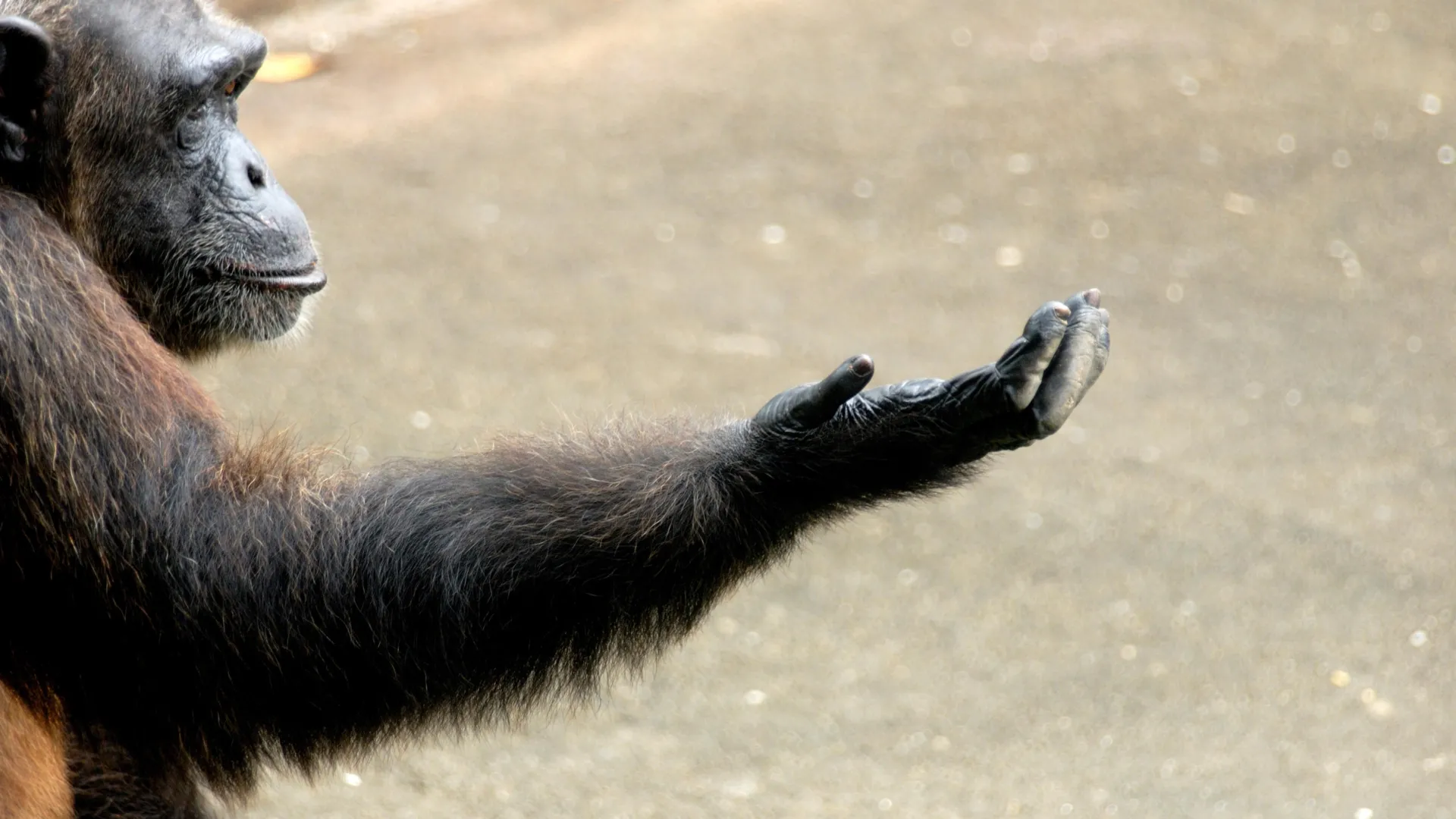
Roughly nine in ten people across every human culture favor their right hand for fine motor tasks — a uniform bias that has no parallel in any other primate species and that has bedeviled evolutionary biologists for a century. A new study from the University of Oxford, published Friday in PLOS Biology, argues that the riddle is solved by the combination of two defining transitions in human evolution: standing upright on two legs, and the dramatic ballooning of the human brain. The work brings together hand-preference data on 2,025 individual monkeys and apes from 41 species and shows that once you control for body proportions associated with bipedalism and for relative brain size, humans' outlier status disappears.
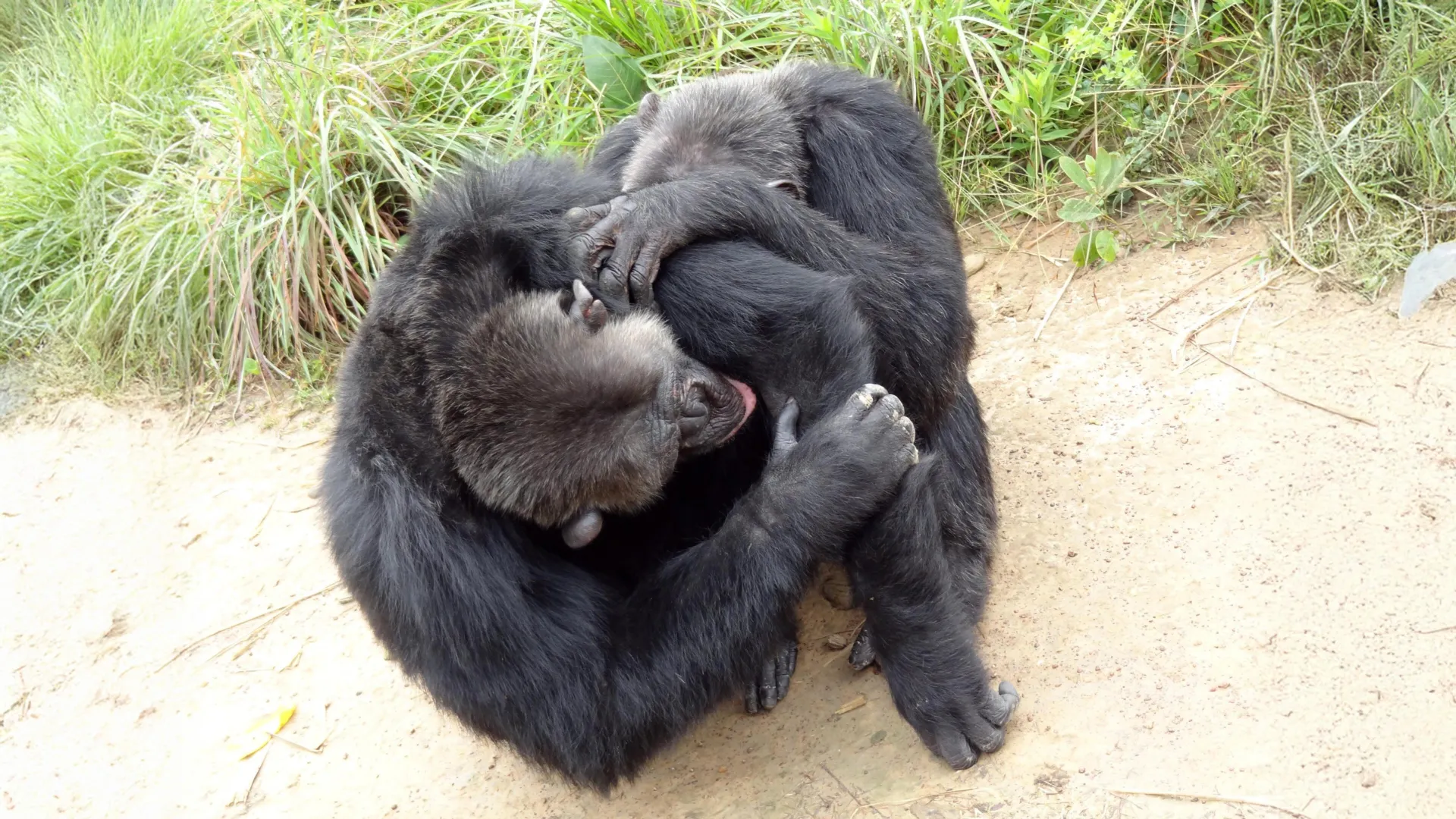
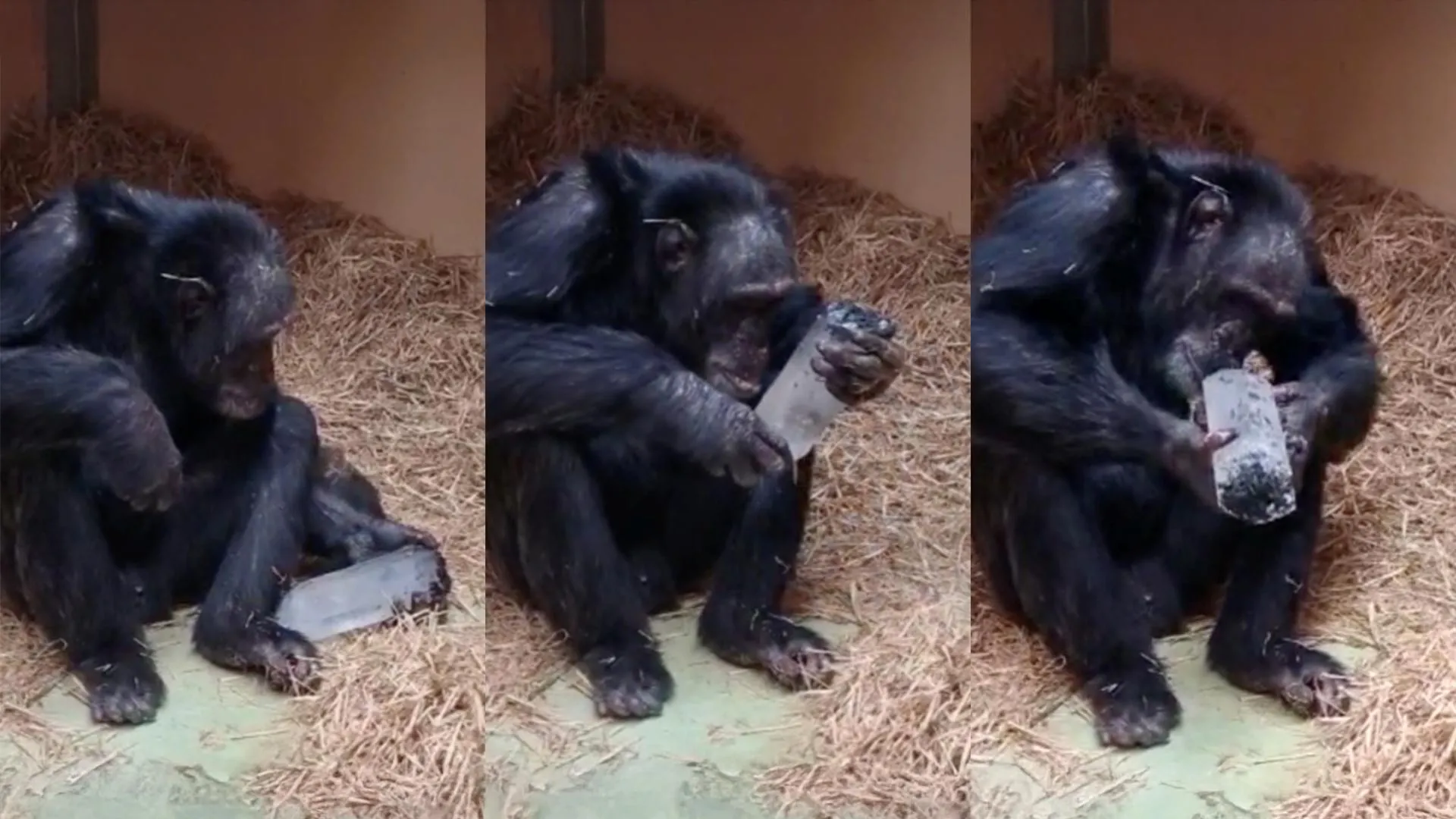
The team, led by anatomist Helene Dumas and evolutionary biologist Susanne Shultz, took a comparative-modeling approach rare in handedness research. Previous work had focused largely on humans or on chimpanzees in isolation, producing a literature that swung between cultural and genetic explanations. Dumas and her colleagues instead asked what physical traits across primates best predict the strength of a species-wide handedness signal. Two factors stood out. The first was a high intermembral index — relatively short arms compared to legs, a marker of obligate two-legged walking. The second was an enlarged neocortex relative to body size, the hallmark of expanding cognitive capacity in the hominin lineage. Each factor on its own produced a modest right-bias; together, they predicted the human pattern almost exactly.
The biological logic is intuitive. In a quadrupedal primate, both hands are constantly recruited for locomotion, climbing and food retrieval, and any subtle neural preference tends to be averaged out across countless daily tasks. "The moment you stand up, you free the hands for specialised work," Shultz said in a statement released by Oxford. As tool use, hammering, throwing and intricate manipulation became central to survival, the cost of indecision rose. Hard-wiring a default hand for fine motor tasks reduces hesitation in time-critical actions; the left hemisphere of the brain, which controls the right hand in most people, also houses language and sequential planning, suggesting an integrated specialisation that piggybacked on cognitive expansion.
The analysis offers a chronological story consistent with the fossil record. Australopithecus afarensis, the species best represented by the famous "Lucy" skeleton, walked upright more than 3 million years ago but had brains only modestly larger than a modern chimpanzee's, and isolated cranial markings interpreted as evidence of handedness in this species are inconsistent. Strong right-handedness shows up much later in the lineage, around the appearance of Homo erectus roughly 1.8 million years ago, by which time both bipedalism and brain enlargement were well established. The Oxford team's model predicts that the population-level right bias became evolutionarily fixed sometime in this window, and it predicts the same pattern would emerge in any future species combining the two traits.
Reviewers credited the breadth of the dataset, which spans New World monkeys, Old World monkeys, gibbons and great apes, including unpublished records from sanctuaries and field stations. Critics noted that the model treats handedness as a binary preference and does not address the roughly 10% of humans who are left-handed, a remarkably stable minority across populations. Dumas, asked about that gap, said the team's next paper will examine whether left-handedness is a developmental byproduct rather than an adaptive variant. "What we can say now," she said, "is that the question of why most humans are right-handed is no longer mysterious. The question is why some of us are not."