Scientists Identify Hidden Alzheimer's Trigger and Successfully Block It
Researchers found that removing the IDOL enzyme from neurons significantly reduced amyloid plaques and improved brain processes linked to resilience.

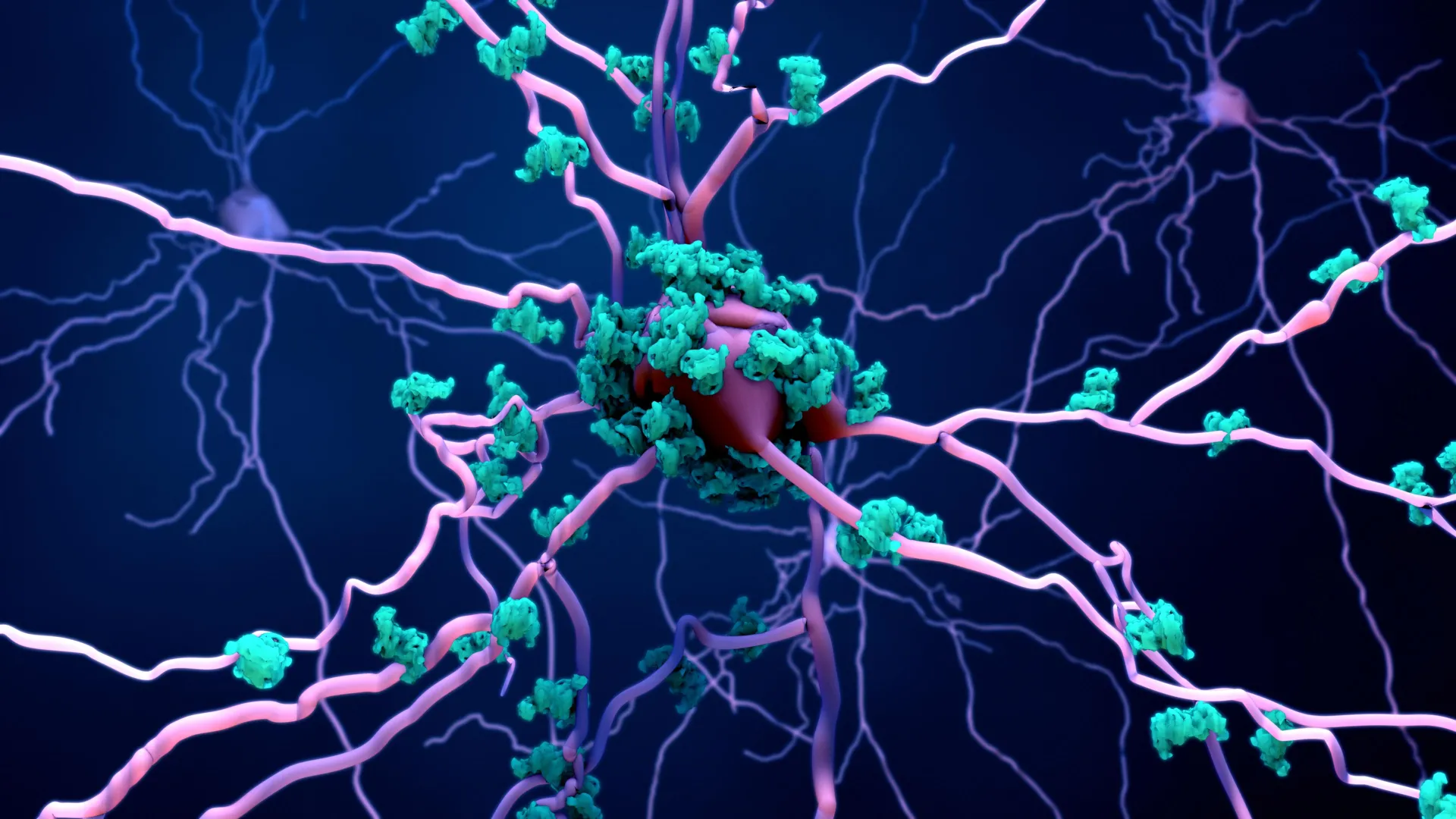
Researchers at Indiana University School of Medicine have identified a potential new target for treating Alzheimer's disease by focusing on an enzyme called IDOL found in brain cells. In laboratory studies, removing this enzyme from neurons significantly reduced amyloid plaques—one of the primary biological hallmarks of Alzheimer's—and appears to help the brain better resist damage associated with the disease.
The discovery represents a different approach from recently approved Alzheimer's treatments like lecanemab and donanemab, which work by clearing existing amyloid plaques from the brain. The Indiana University team believes targeting IDOL could offer an alternative strategy that not only addresses plaque formation but also improves communication between brain cells and supports healthy lipid metabolism.
"What makes this exciting is that we now have a specific target that could lead to a new type of treatment," said Kim, the P. Michael Conneally Professor of Medical and Molecular Genetics. "We believe that IDOL will provide us with an alternative strategy to treat Alzheimer's disease. Targeting enzymes in drug development offers key advantages due to their well-defined active sites where drugs can attach and block their activity."
The research team created animal models of Alzheimer's disease by deleting the IDOL gene in different types of brain cells, including neurons and microglia, which are immune cells in the brain. While scientists initially expected microglia to play the larger role in clearing amyloid plaques, the most striking effects occurred when IDOL was removed from neurons specifically.
Hande Karahan, assistant research professor of medical and molecular genetics, noted that deleting IDOL in neurons not only lowered plaque levels but also reduced levels of apolipoprotein E (APOE), a protein strongly associated with Alzheimer's risk. The researchers also found increased levels of receptors involved in regulating APOE and amyloid plaques, which are important for maintaining healthy neuron communication and supporting proper lipid metabolism in the brain.