Scientists Uncover a New Way Brain Cells Die — and It May Be Central to Alzheimer's
Researchers at King's College London have identified 'karyoptosis,' a form of cell death in which a neuron's nucleus shrinks and shatters under the strain of toxic proteins — a process far more common in diseased brains than healthy ones.
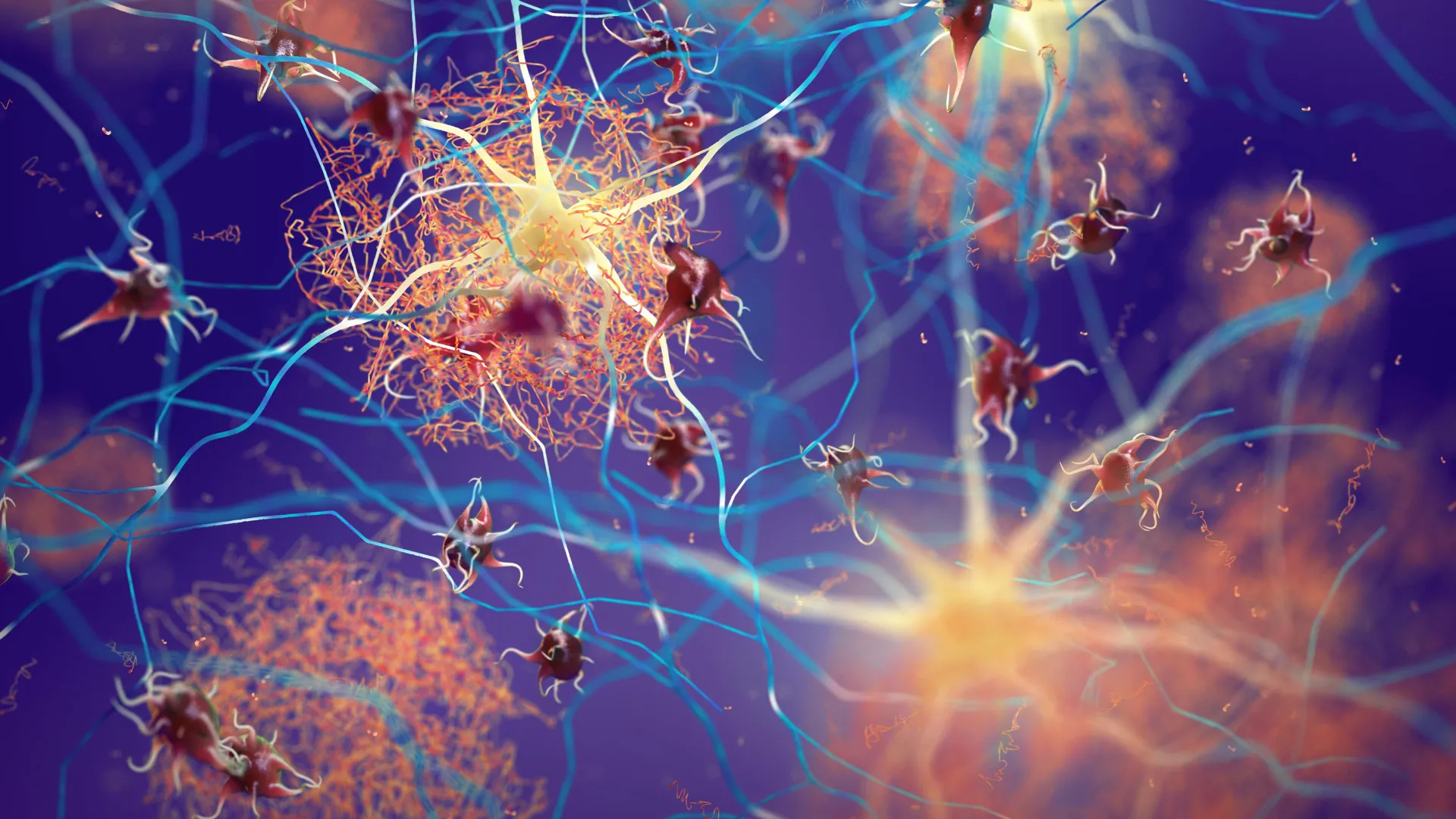
Scientists may have identified a previously overlooked way that brain cells die — and it appears to play a major role in Alzheimer's disease and frontotemporal dementia, two of the most devastating neurodegenerative conditions.
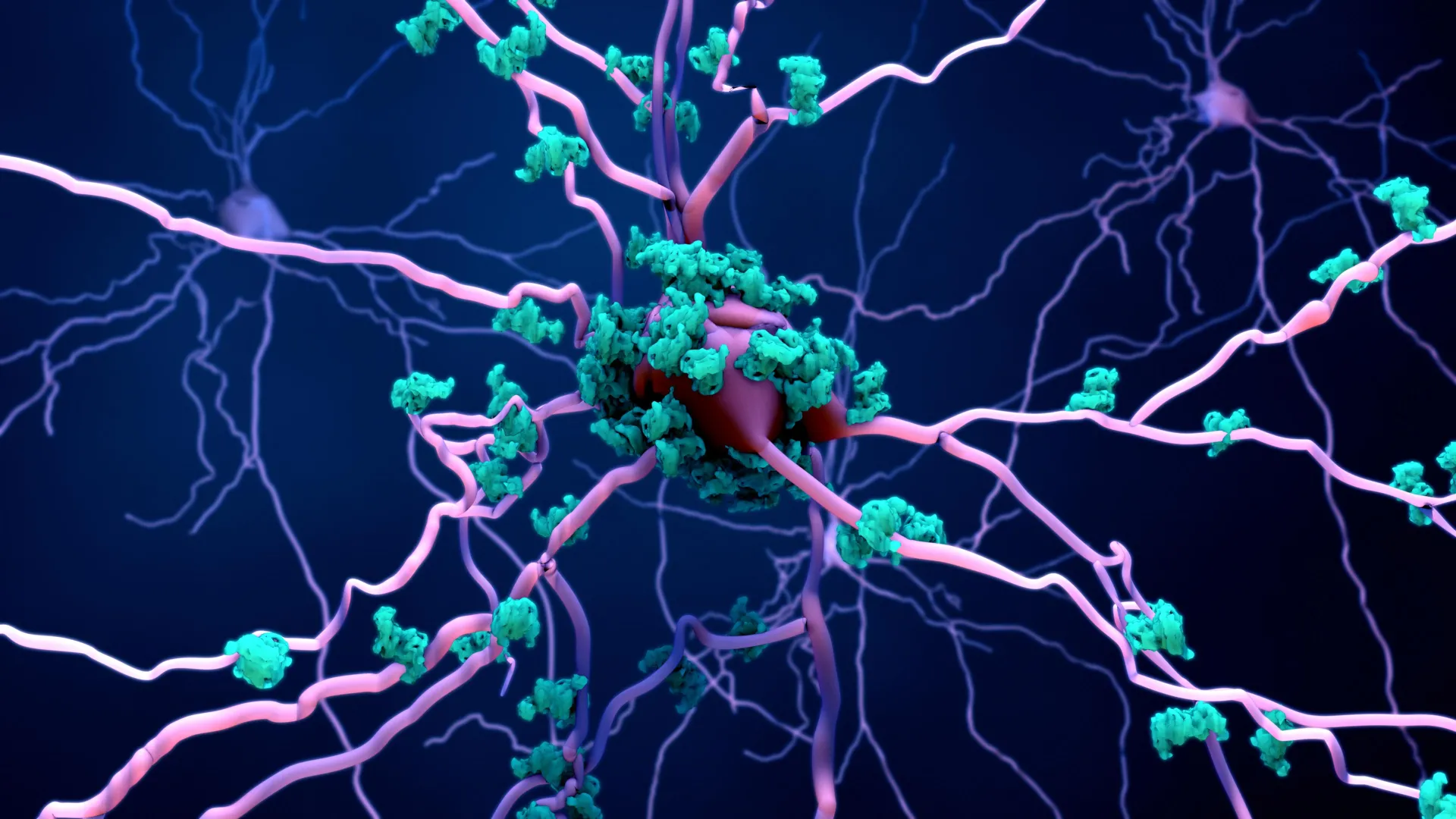
The mechanism, described by researchers at King's College London working with the UK Dementia Research Institute, has been named karyoptosis. It is a distinct form of programmed cell death in which the accumulation of toxic proteins inside a neuron causes the cell's nucleus — the compartment that houses its DNA — to gradually shrink and ultimately disintegrate. The finding, published in the journal Nature Communications, could reshape how researchers think about the loss of neurons that drives dementia's cruelest symptoms.
At the molecular level, the team traced how toxic protein buildup destabilizes the outer membrane of the nucleus, setting off a cascade of chemical reactions that ends in the nucleus breaking apart. Central to the process is an interaction between an enzyme called p38 MAP kinase and a structural protein known as LaminB1, which helps hold the nuclear envelope together. When that interaction goes awry under proteotoxic stress, karyoptosis follows.
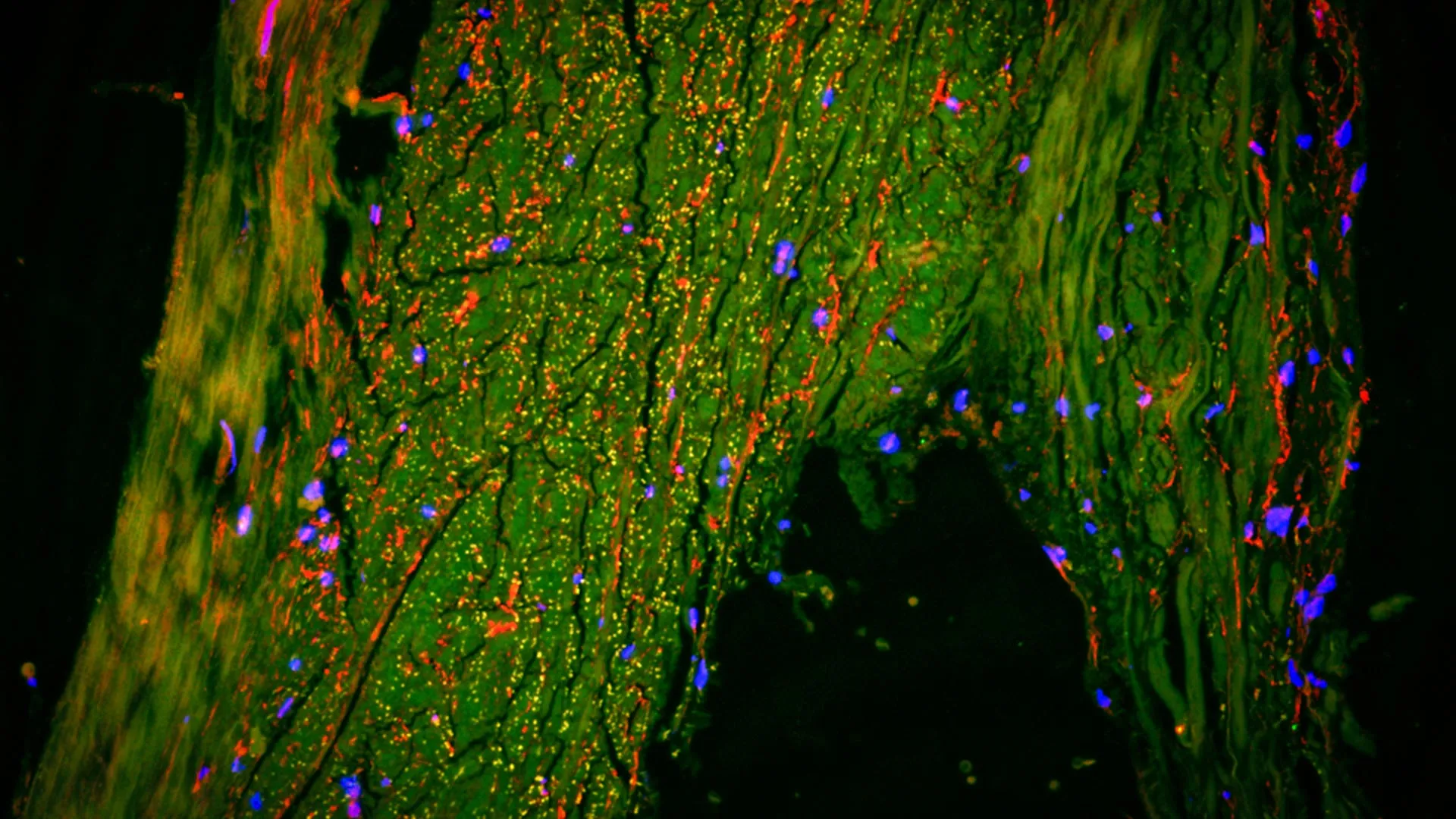
Crucially, the researchers found the process is far more prevalent in diseased tissue. Examining postmortem brain samples, they detected karyoptosis in roughly 35% of cells in the frontal cortex of Alzheimer's brains, compared with about 15% in healthy controls — a striking difference that suggests the mechanism is a significant contributor to neuron loss rather than a rare curiosity.
"The death and loss of cells in the brain drives many symptoms experienced by people living with dementia," said Dr. Rebecca Casterton, one of the study's leaders. Dr. Manolis Fanto, who also led the work, pointed to a potential therapeutic angle: "By specifically targeting the interaction between p38 MAP kinase and LaminB1 we may slow down the process of cell death." Because both proteins are already the focus of drug-development efforts in other diseases, the pathway offers a plausible starting point for new treatments.
Outside experts greeted the discovery as an important conceptual advance. "The identification of karyoptosis is a crucial step towards finding targets for treatments that could stop or slow cell loss," said Dr. Sara Rodrigues of Alzheimer's Research UK. While turning the insight into a therapy will take years of further work, the study gives scientists a fresh and well-defined target in the long, difficult search for ways to protect the brain from the ravages of dementia.