A Spray-On Powder That Stops Deadly Bleeding in One Second
Scientists in South Korea have created a naturally derived powder that turns to a sealing gel the instant it touches blood, a battlefield-born invention that could transform emergency care in ambulances, disasters and operating rooms.
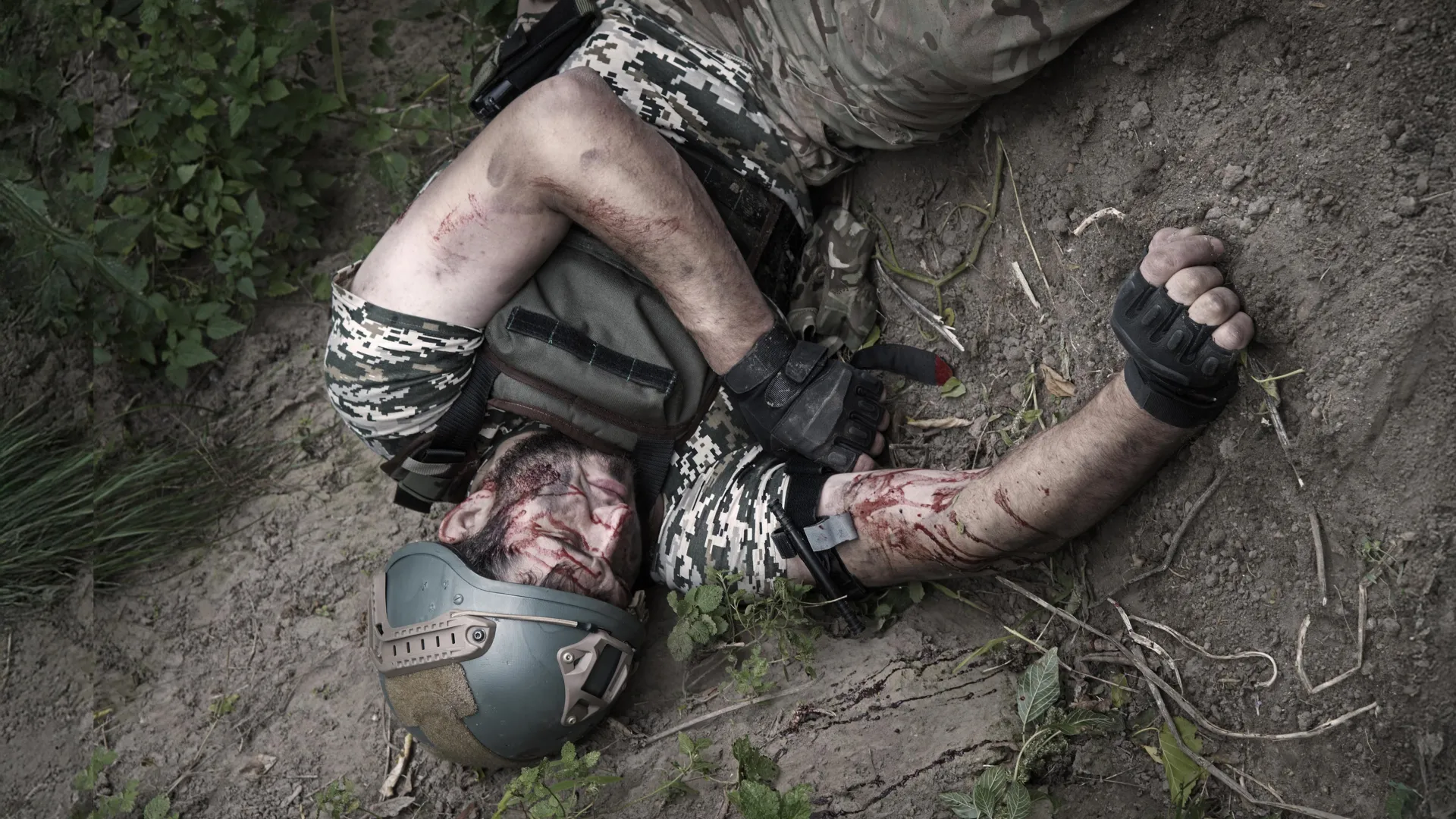
Researchers in South Korea have developed a spray-on powder that can stop life-threatening bleeding in about one second, instantly forming a tough gel over a wound. The invention, born out of the search for better battlefield medicine, could reshape emergency care wherever severe bleeding must be controlled fast — in combat, disasters, ambulances and hospitals alike.
The material, called AGCL powder, was created by a team at the Korea Advanced Institute of Science and Technology, or KAIST, led by professors Steve Park of the Department of Materials Science and Engineering and Sangyong Jon of the Department of Biological Sciences, with lead researchers Kyusoon Park — an army major and doctoral student — and Ph.D. candidate Youngju Son. Their work was published last fall in the journal Advanced Functional Materials.
Its speed comes from a clever combination of naturally derived ingredients. Alginate and gellan gum, both plant- and microbe-based gelling agents, react with the calcium naturally present in blood to gel almost instantly and physically seal the wound, while chitosan, derived from shellfish, bonds with blood components to boost clotting through chemical and biological action. When the powder hits blood, it reacts with calcium and other cations and transforms into a gel in roughly one second, plugging deep and irregular injuries that conventional hemostatic products often struggle to close.
The performance numbers are striking. The powder can absorb more than seven times its own weight in blood — a 725 percent absorption rate — and grips tissue with an adhesive strength greater than 40 kilopascals. In safety testing it showed a hemolysis rate below 3 percent, meaning it does little damage to blood cells, along with cell viability above 99 percent and antibacterial effectiveness of 99.9 percent, making it gentle on the body while fighting infection.
Just as important for real-world use, AGCL powder is rugged. It retained its effectiveness after two years of storage at room temperature in high humidity, the kind of harsh condition that degrades many medical products, making it well suited for field kits and remote clinics. Originally conceived for wounded soldiers, the researchers say the technology could extend to internal surgery, disaster response and medically underserved regions — anywhere a second saved can be the difference between life and death.