To Build a Brain, Neurons Snap Their Own DNA — Then Race to Repair It
Kyoto University researchers report in Nature that migrating neurons suffer double-strand DNA breaks as they squeeze through developing tissue, a hidden hazard of brain construction.
Building a brain, it turns out, is a surprisingly violent process at the molecular level. Researchers led by Kyoto University report that developing neurons routinely break their own DNA as they migrate through the crowded tissue of the growing brain — and that the cells possess a fast repair system to patch the damage before it does lasting harm. The findings, published June 21 in the journal Nature, reveal an unexpected hazard baked into one of biology's most fundamental tasks.
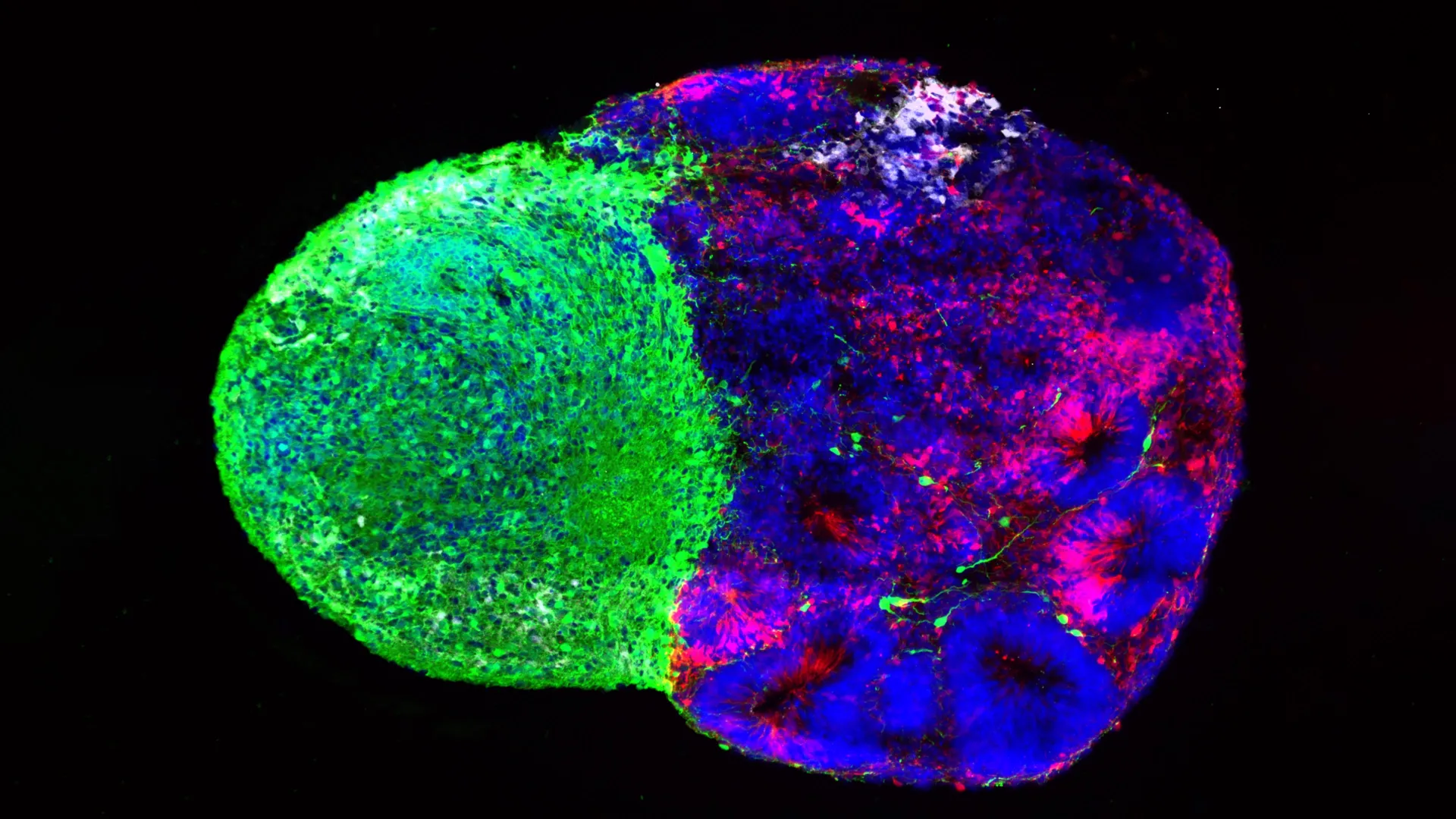
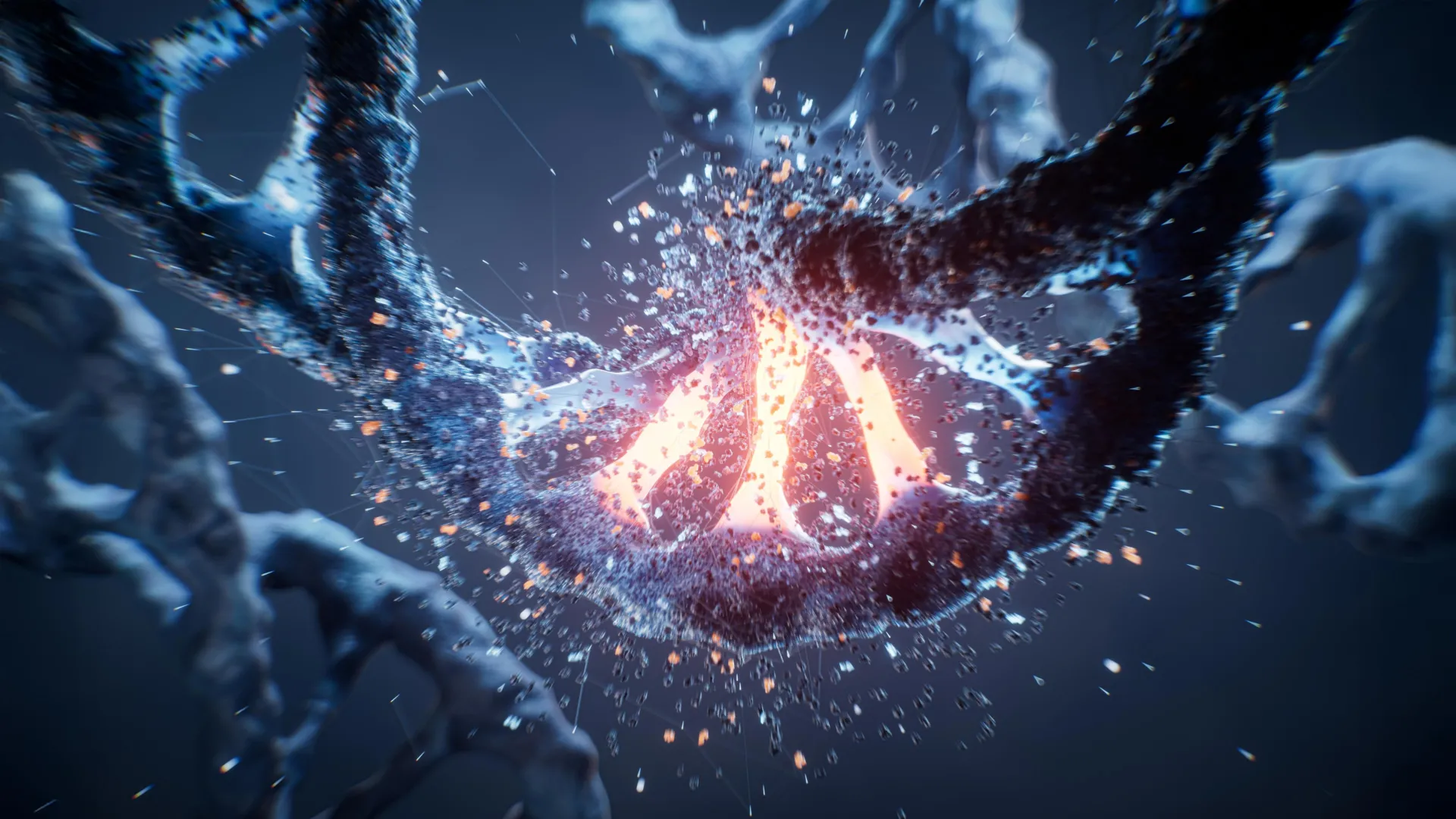
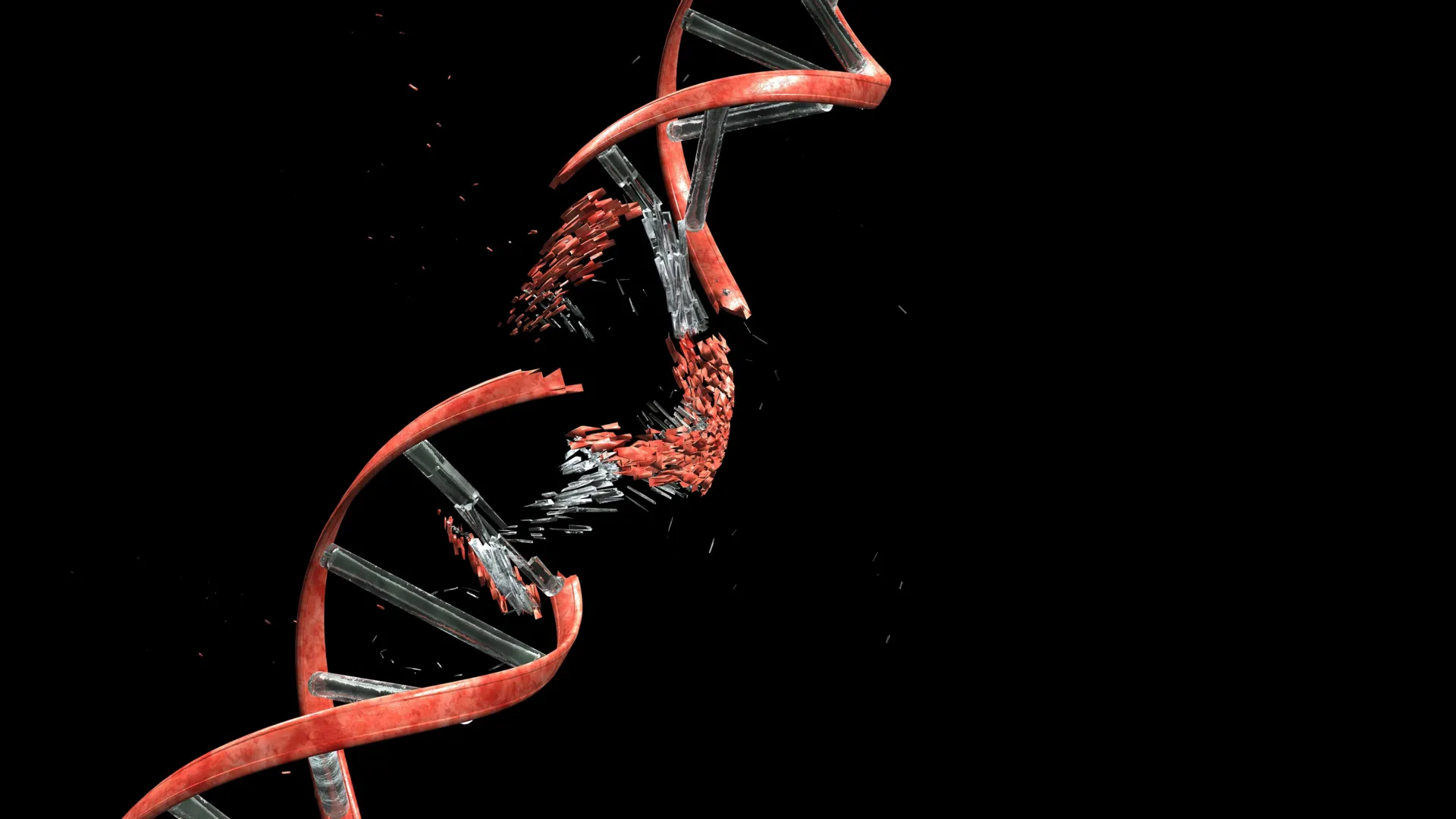
The work, led by Professor Mineko Kengaku of Kyoto University's Institute for Integrated Cell-Material Sciences, with collaborators at the University of Tokyo, the University of Osaka, the National University of Singapore and the Tokyo Metropolitan Institute of Medical Science, followed young neurons as they squeezed through tight spaces on their way to their final positions. As the cells deformed to fit through those constrictions, their DNA suffered double-strand breaks — the most dangerous kind of genetic damage.
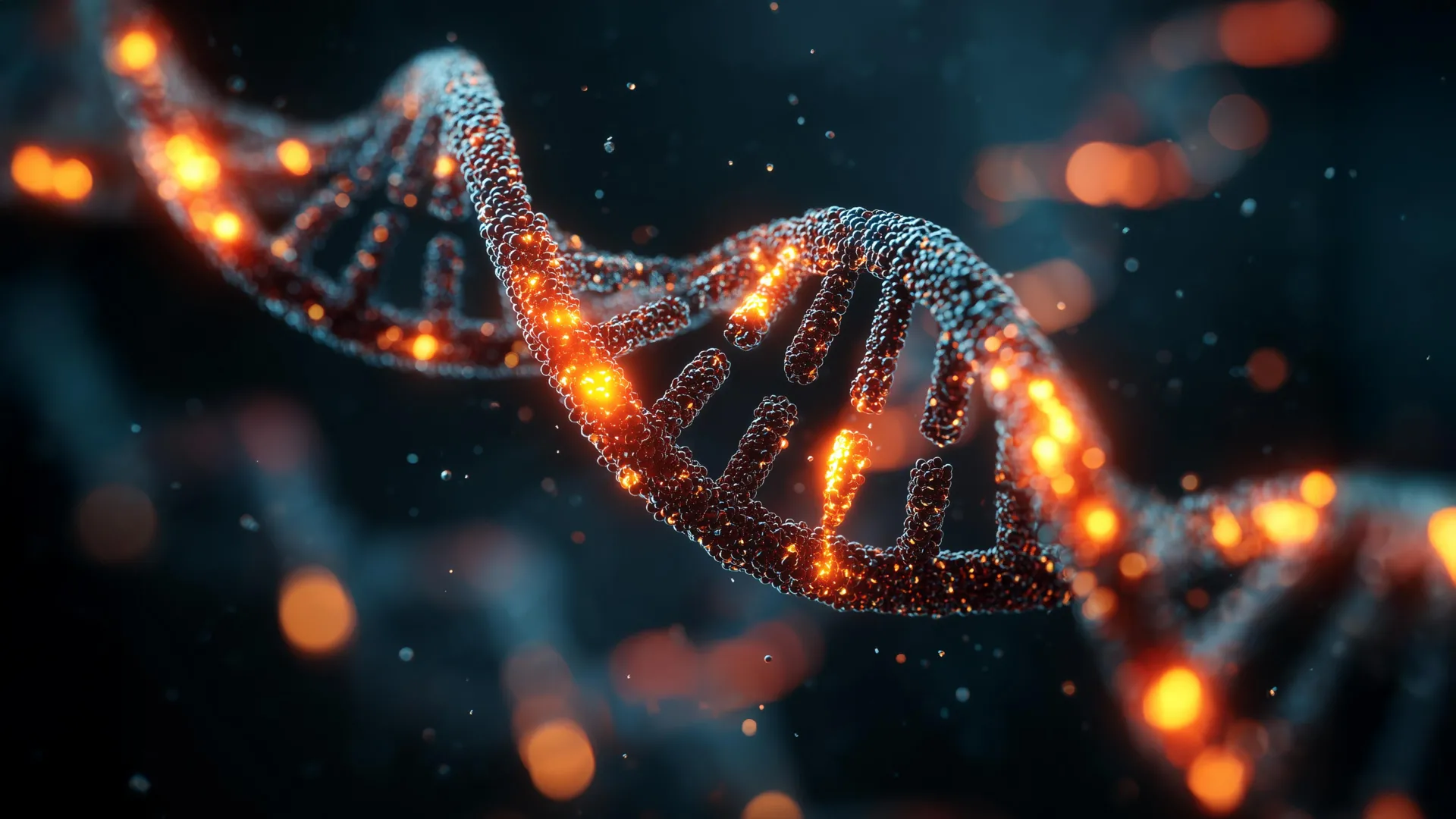
The culprit, the team found, is an enzyme called Topoisomerase IIβ. Normally the enzyme relieves mechanical stress on DNA, but during the extreme squeezing of migration it can become trapped mid-task, leaving strands of the genetic code snapped apart. The developing brain appears to have anticipated the problem: neurons deploy an efficient repair machinery that quickly stitches the breaks back together.
To test what happens when that repair fails, the researchers engineered mice lacking Ligase 4, a protein essential for mending broken DNA. The animals developed gradually worsening balance problems as adults, hinting that incomplete repair during early development can seed neurological disorders that emerge only later in life. "The developing brain appears to have evolved to tolerate and repair the neuronal damage efficiently," the team noted, while cautioning that the key open question is what unfolds when repair falls short.
The study also offers a fresh explanation for a longstanding puzzle: why individual neurons in the same brain carry subtly different genomes. The mechanical stress of migration, and the imperfect repair that follows, can introduce small genetic differences from one cell to the next — a form of brain mosaicism. Understanding that process could shed light on how the healthy brain assembles itself, and on what goes wrong in developmental and degenerative conditions of the nervous system.