UCLA Study of 1,500 Adults Links Gut Bacteria to Faster Brain Aging
Brains that scan older than their owners' ages were tied to worse memory, more depression symptoms and a distinct gut-microbe signature, even in younger adults.
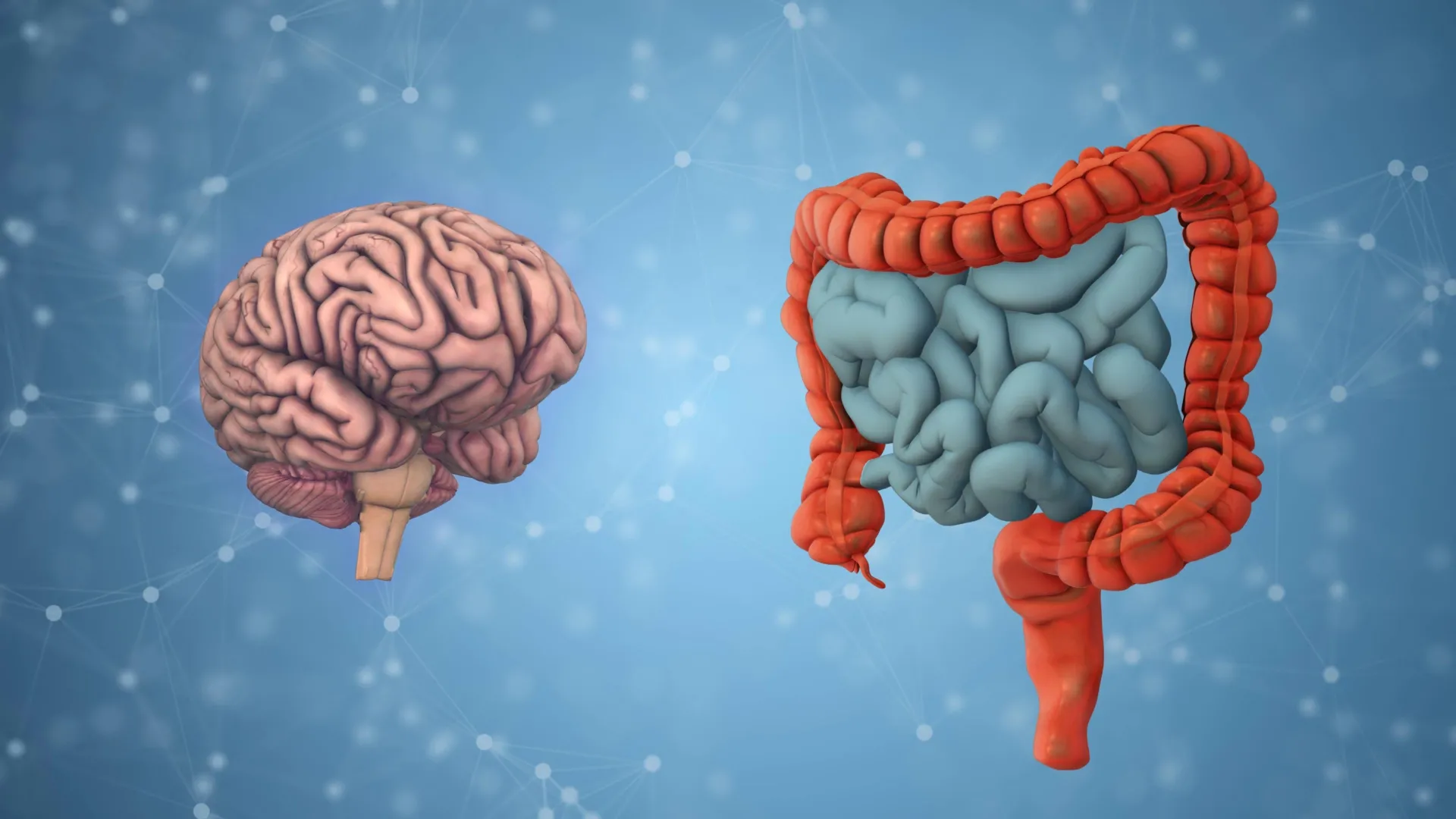
A UCLA Health study of nearly 1,500 adults has found that brains that look biologically older than expected are linked to specific gut bacteria and chemical byproducts, offering a new clue to what drives brain aging long before symptoms appear. The work was published in the journal eBioMedicine.
Researchers have used brain scans for years to estimate a person's "brain age," which can differ from chronological age. Earlier studies tied an older-looking brain to poorer memory, weaker thinking skills and changes in mood, but most focused on older adults or people with neurological disease. That left open whether the measure matters in younger, generally healthy people.
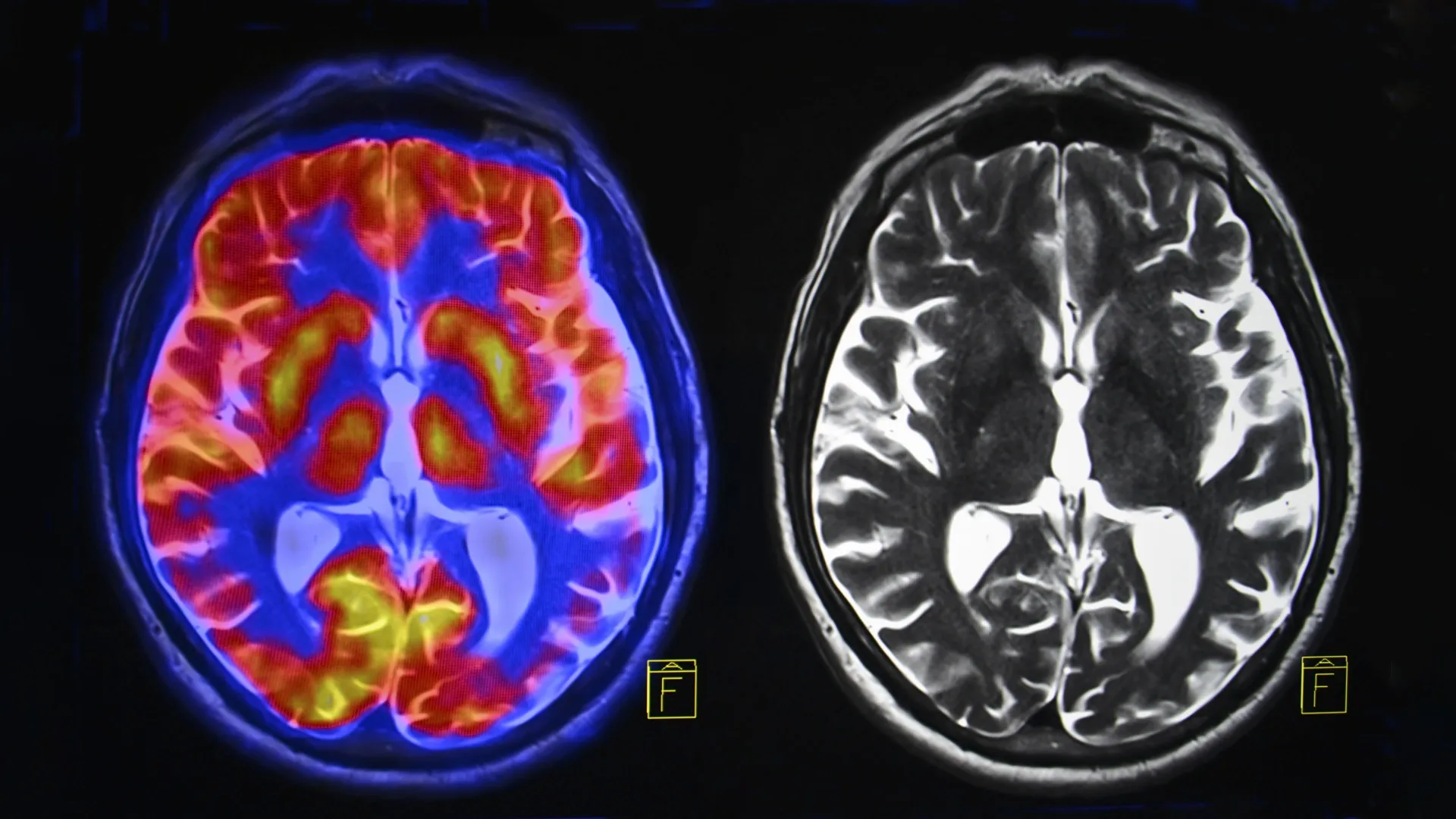
The UCLA team examined scans from adults split across three separate groups. They used resting-state functional MRI, which maps how different brain regions communicate while a person lies still, and built a machine-learning model that estimated each participant's age from those communication patterns. The gap between estimated and actual age became the Brain Aging Index, or BAI.
In all three groups, people with a higher BAI generally did worse on tests of working memory and executive function, the abilities used to hold information in mind, stay focused, plan and organize. They also reported more symptoms of depression. The patterns repeatedly involved brain regions tied to memory and to self-referential thought, the mental processes people use when thinking about themselves and their experiences.
For one of the groups, the team also analyzed stool samples. A higher BAI was associated with particular gut bacteria and several metabolic byproducts, including certain fat molecules, a cholesterol-related compound and lower levels of a hormone called estetrol. The biological pathways involved the immune system, blood vessel function, communication between brain cells and the way cells produce energy.
"Brain aging doesn't suddenly begin when we get older, but the biological signals may be detectable decades earlier," said senior author Dr. Arpana Church, co-director of the Goodman-Luskin Microbiome Center at UCLA Health. "By linking these early brain changes with the gut microbiome and its metabolites, we are beginning to identify pathways that could ultimately help us understand who may be at risk and, importantly, where we might intervene to support healthier brain aging."
The study shows association, not cause. It cannot say whether gut changes drive faster brain aging, whether brain aging alters the gut, or whether a third factor, such as diet, medication or hormones, affects both. The stool analysis was done in only one of the three groups, so the microbiome findings rest on a smaller sample than the brain-scan results. The researchers say the next step is to test whether changing gut health can shift brain aging.
Church said the findings may eventually help identify people at greater risk of cognitive or mood-related decline much earlier in life, and could point to the gut as a target for prevention. For now, the practical message is modest: the brain's aging clock appears to start ticking earlier than most people assume, and the gut may be part of the story.