Study of 1,647 Adults Links MIND Diet to Brain Aging Slowed by 2.5 Years
Each 3-point rise in adherence to the diet was tied to 20% less age-related gray matter decline, but the study cannot prove the food caused it.
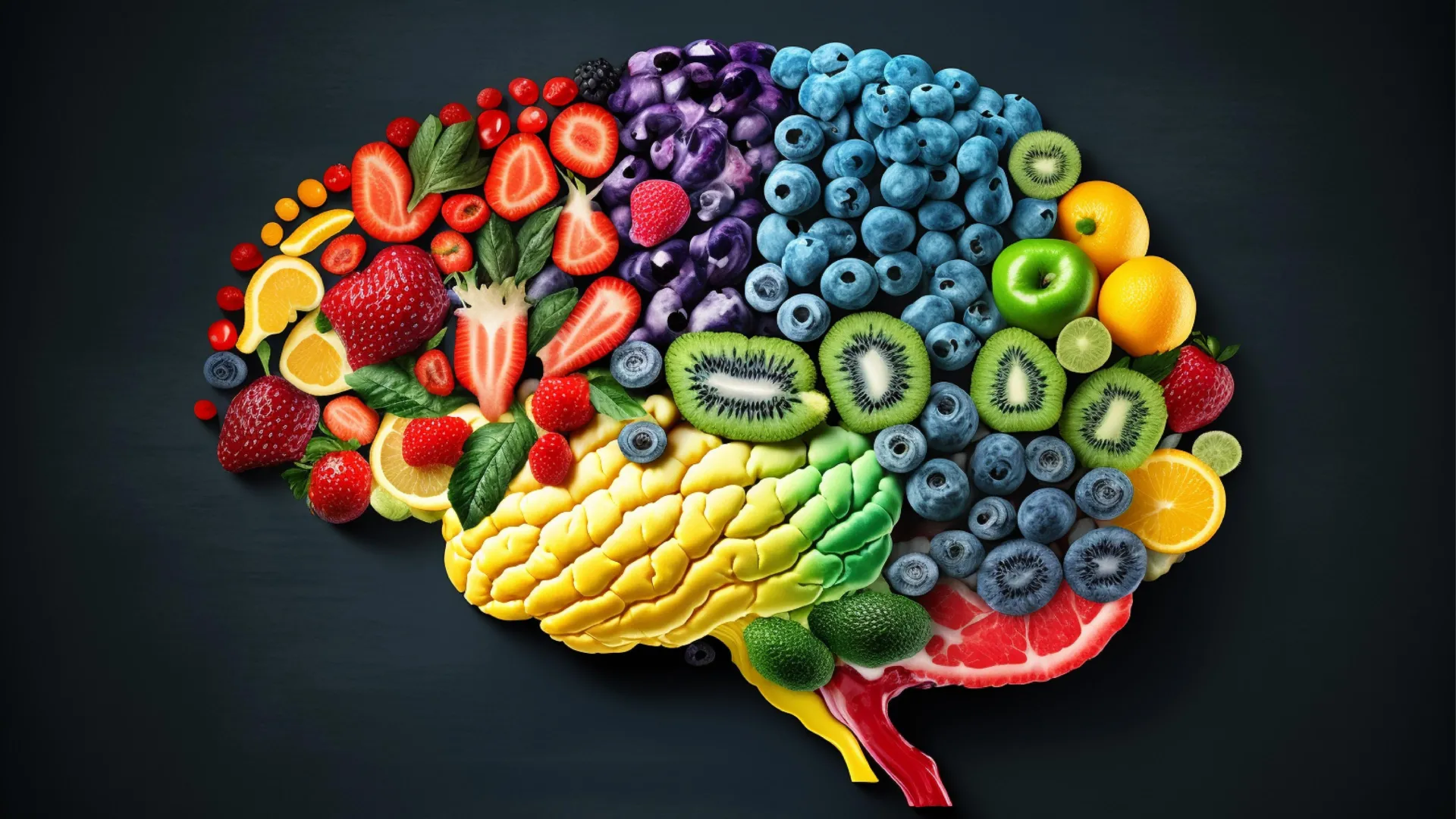
People who followed the MIND diet more closely lost less brain tissue as they aged, according to a study of 1,647 middle-aged and older adults published in the Journal of Neurology, Neurosurgery & Psychiatry. Each 3-point increase in a participant's MIND diet score was associated with 20% less age-related decline, the equivalent of 2.5 years of delayed brain aging.
The researchers drew on the Framingham Heart Study Offspring cohort, a long-running American project that has tracked the health of families in Massachusetts. Participants had an average age of about 60 at the start. They were followed for roughly 12 years and had MRI brain scans every two to six years between 1999 and 2019, which let the team measure how quickly gray matter shrank.
The MIND diet combines elements of the Mediterranean and DASH eating patterns and was designed with brain health in mind. It emphasizes leafy greens, other vegetables, berries, nuts, whole grains, fish, beans, olive oil and poultry. It tells people to limit butter, cheese, red meat, pastries and fried foods.
The foods that stood out were not all the ones the diet promotes. Berries and poultry showed the strongest protective links. Sweets and fried fast food were linked to greater tissue loss. Some results ran against expectations: whole grains were unexpectedly associated with unfavorable changes, while cheese showed the opposite of the expected effect.
Those oddities are a reminder of the study's limits. It is observational, so it cannot show that eating this way caused the slower shrinkage. People who follow healthy diets often differ from others in exercise, income, education and other habits that also affect the brain, and statistical adjustment cannot remove every such difference.
The researchers listed other constraints. Diet information relied on participants' own recall of what they ate, which is imperfect. The team could not rule out mild cognitive impairment at the start of the study. The participants were predominantly White, which limits how far the results can be applied to other groups.
Gray matter is the tissue that holds the brain's nerve cell bodies, and its gradual loss with age is linked to memory decline and dementia risk. A slowdown of 2.5 years' worth, if real, would be meaningful, although the study measured structure rather than memory or dementia diagnoses.
The finding adds to earlier work suggesting that what people eat in midlife shapes how their brains age, and it is likely to be tested in more rigorous settings. Randomized trials, which assign people to a diet and track outcomes, are the standard way to prove cause, but they are expensive and slow for a condition that unfolds over decades. For now, the practical message is modest: the MIND pattern is already consistent with general advice to eat more vegetables, fish and nuts and less fried food and sweets, so the risk of following it is low even while the proof of its brain benefit remains incomplete.