FAA Blackout Traces to a 2006-Era Router and a Contractor Auditors Flagged for Years
Transportation Secretary Sean Duffy says he is "stuck with L3Harris" after Friday's five-hour nationwide ground stop, while federal audits show two decades of warnings about the aging telecom system.
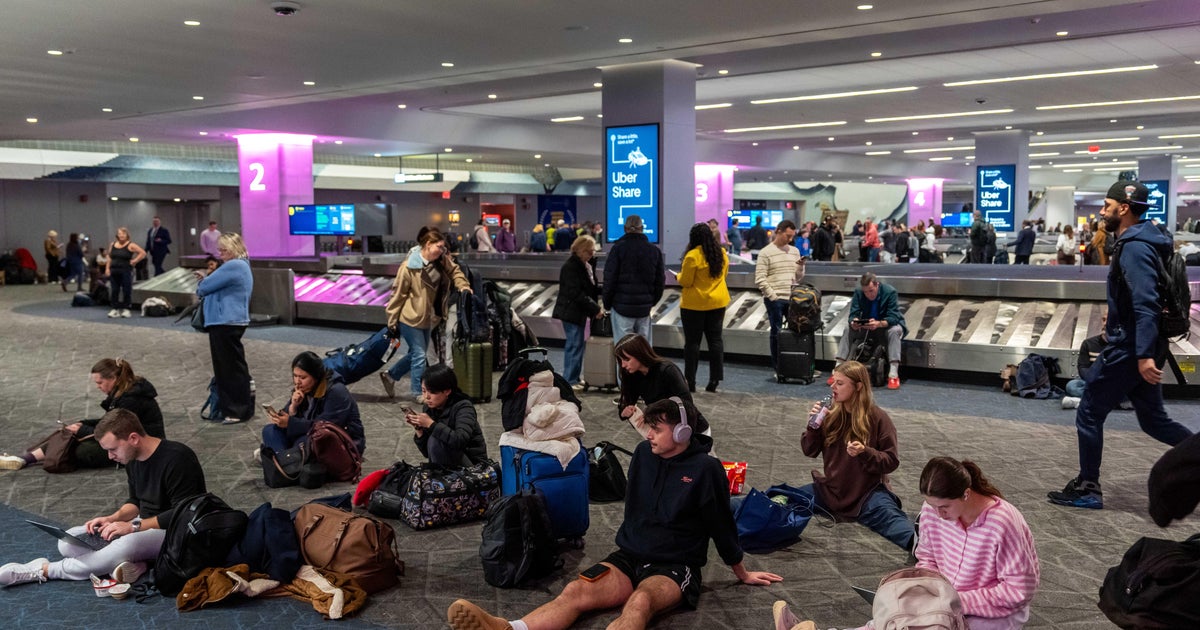
The nationwide ground stop that halted every plane in the country on Friday may trace back to a single router that was supposed to be replaced in 2006, Transportation Secretary Sean Duffy said Sunday, as federal records show watchdogs have warned for years that the air traffic system's aging communications backbone could fail.
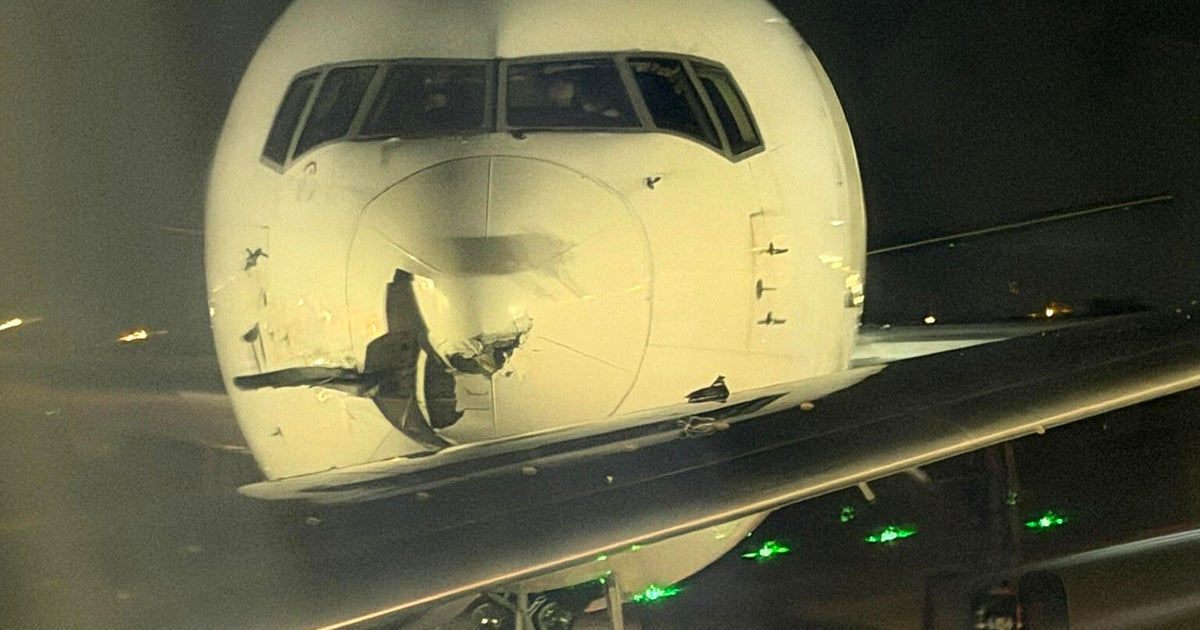
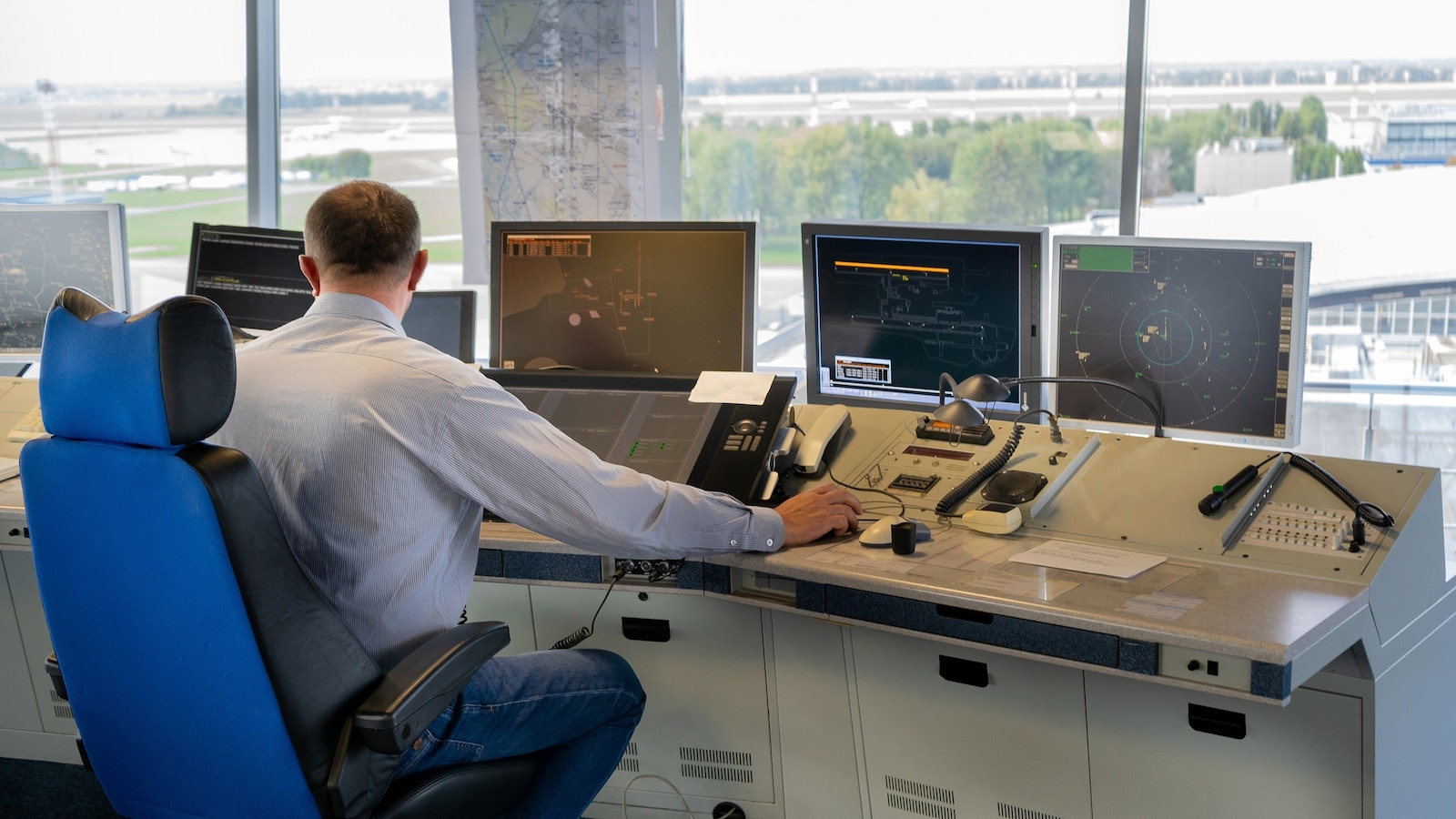
"We're investigating that right now," Duffy said on CBS News' "Face the Nation with Margaret Brennan." "This goes back decades." The Federal Aviation Administration halted flights for roughly five hours on Nov. 13 after problems with air traffic control communications and radar feeds, and the disruption rippled through weekend schedules.
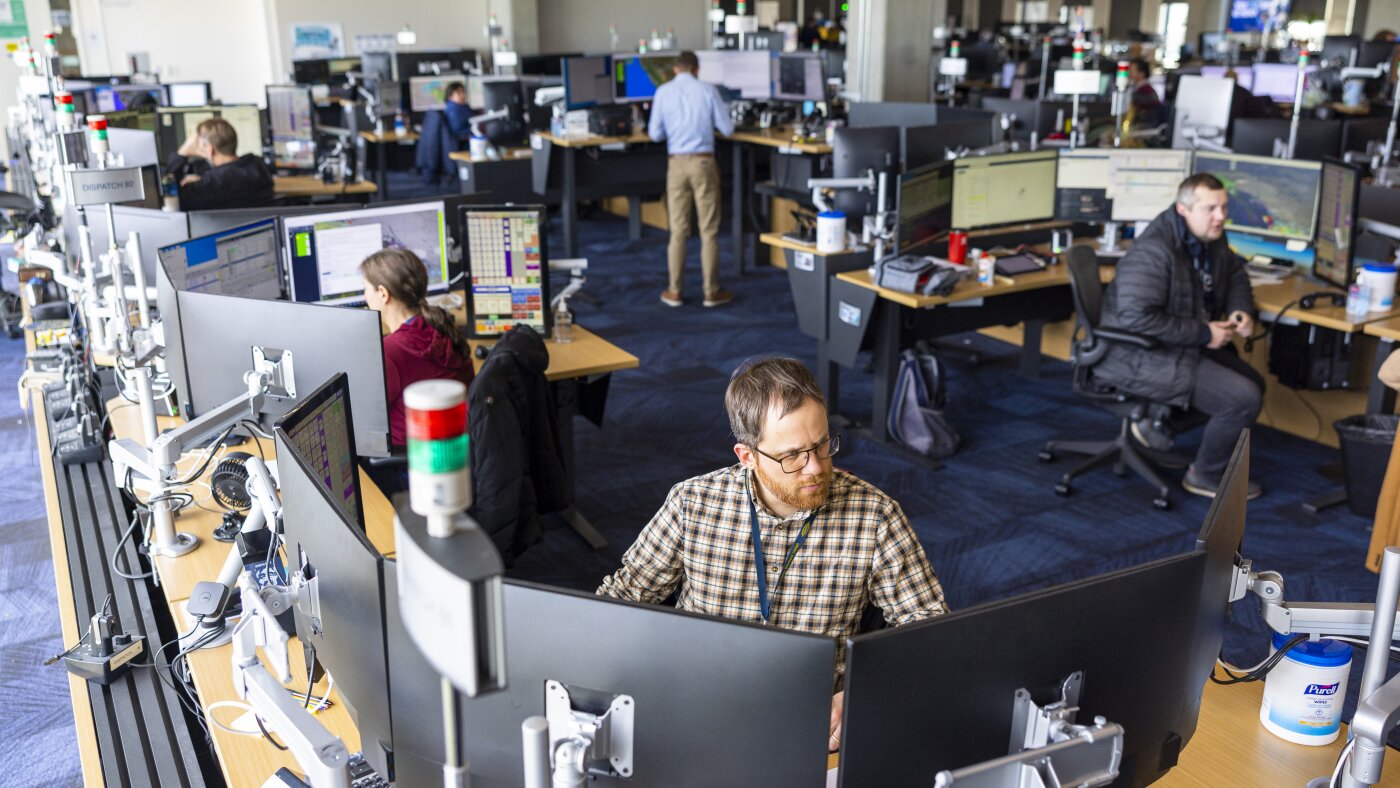
One company has run the FAA's telecommunications infrastructure for the last quarter-century: L3Harris. The agency has poured billions of dollars into its contracts since 2020. A 2024 audit by the Transportation Department's Office of Inspector General found that since the original contract was awarded in 2002, the FAA made 10 extensions that were "improperly authorized," adding 57 months and $1.5 billion in spending. The inspector general warned the FAA "may be repetitively using these noncompetitive extensions for convenience and administrative ease," which "risks paying more than the Agency should and receiving less than the best-quality results."
The concerns stretch back two decades. A 2006 audit warned the modernization program was falling behind schedule, and a 2008 follow-up flagged reliability problems that had disrupted air traffic control operations. In 2009, more than 800 flights were delayed by a telecommunications outage, and investigators found the FAA had failed to adequately oversee Harris Corporation, now part of L3Harris. A separate $291 million contract awarded in 2012 to update voice communications equipment was terminated in 2018 after $160 million was spent on the unsuccessful program.
Duffy acknowledged the government cannot easily walk away. He said he was "stuck with L3Harris" until a replacement system can be built. "Many of our contractors, many of our partners, they take our money and they provide really poor service to us," he said, raising the question of whether Friday's failure was contractor error or faulty equipment. L3Harris said in a statement it is working "in close coordination with the FAA" and has completed 70% of the switch from old copper lines to fiber cables. It did not respond to CBS News' questions about the inspector general's criticisms.
The company has also spent heavily to influence policy. Senate records show L3Harris has paid $23.9 million to lobbyists since 2020, including $2.51 million this year, and lobbied Congress on FAA modernization funding every year. Last April it wrote to leaders of the House Transportation and Infrastructure Committee urging them to advance a proposal that initially called for $15 billion. Four days later, Chairman Sam Graves, a Missouri Republican, unveiled the committee's plan. Graves' campaign received $10,000 from the company's political action committee in the 2021-2022 cycle, and Rep. Rick Larsen, a Washington Democrat who was also addressed in the letter, received $5,000 in the 2023-2024 cycle. Neither responded to requests for comment. Congress ultimately approved $12.5 billion for FAA modernization in President Trump's One Big Beautiful Bill Act, including $4.75 billion for telecommunications upgrades.
The scale of the problem is documented. In 2024 the Government Accountability Office found 51 of the FAA's 138 air traffic systems unsustainable, citing outdated functionality and missing spare parts, with 54 more potentially unsustainable. Eric Soskin, who served as transportation inspector general under President Biden, said some of the equipment is so old that one manufacturer of replacement parts has been out of business for over a decade. "The knowledge of how those systems work may even have been lost to retirements or memory," he told CBS News.
The Transportation Department says its $12.5 billion is going to work, including replacing handwritten paper systems at 25 control towers, upgrading five facilities that still run on floppy disks, and modernizing 469 tower radios. Soskin said the outage "confirms the importance of pushing ahead with the technology upgrades," but cautioned that a September inspector general report warned moving too fast could cause its own disruptions. With the Thanksgiving rush days away, Duffy and FAA Administrator Bryan Bedford have said they expect air traffic to normalize well before then.