FAA Investigates if Distracted Controller Contributed to Deadly LaGuardia Airport Crash
Two air traffic controllers were working when collision killed two pilots, with one handling odor issue on United Airlines plane.
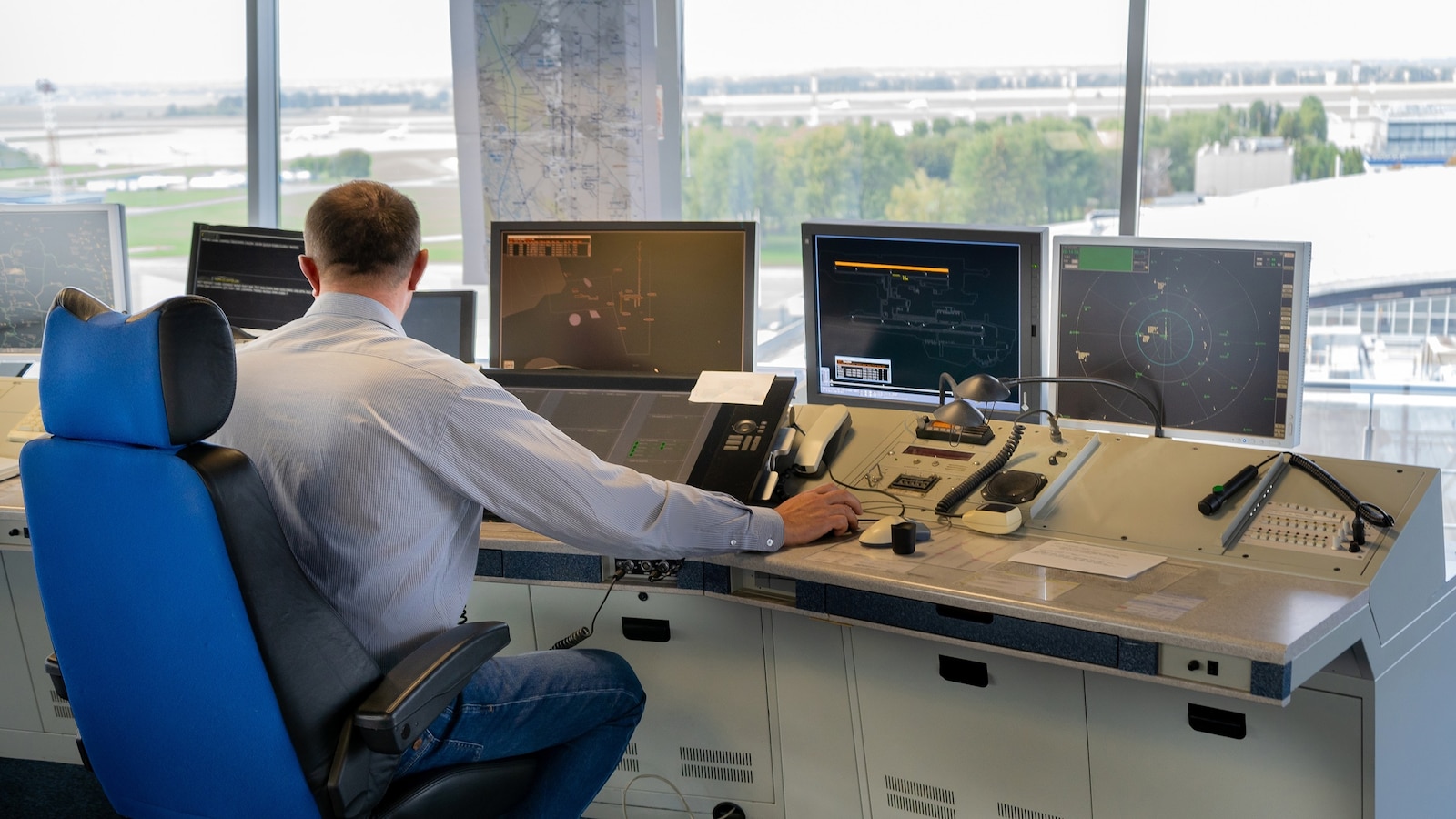
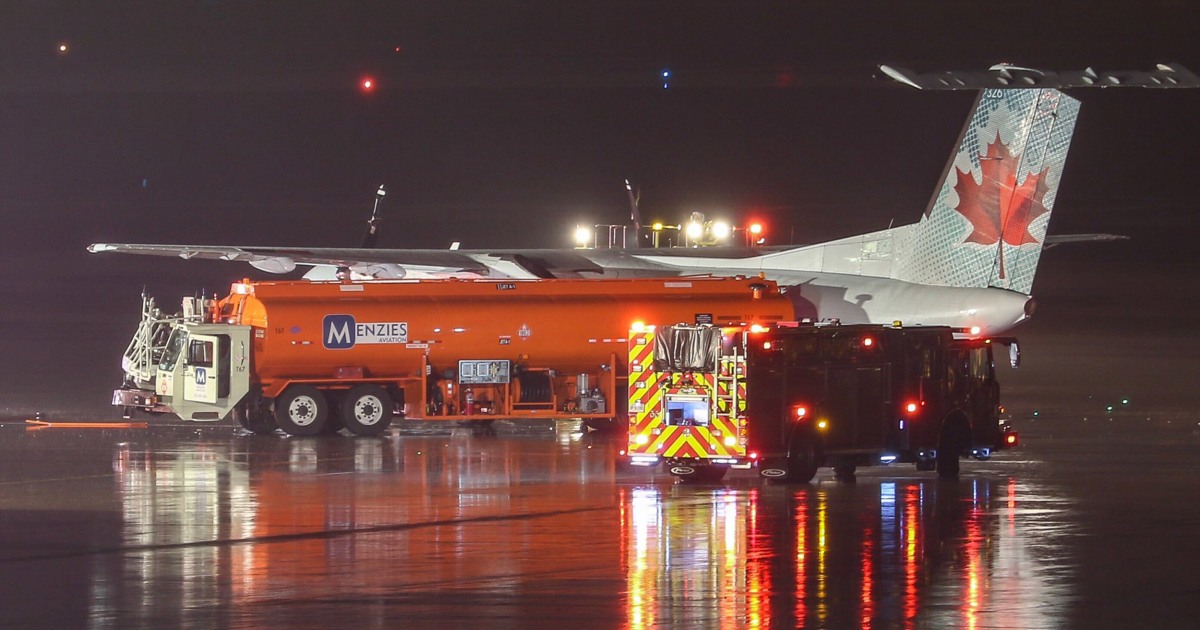
Federal aviation investigators are examining whether a distracted air traffic controller may have contributed to the deadly collision between an Air Canada Express jet and a fire truck at LaGuardia Airport, according to officials briefed on the probe. The investigation has focused on the actions of two controllers who were working the tower at the time of the incident, one of whom was simultaneously handling an unrelated odor issue aboard a United Airlines aircraft.
The collision, which killed both pilots of the Air Canada Express regional jet, occurred during what should have been a routine landing at one of the nation's busiest airports. The aircraft struck a fire truck that was on an active runway, an event that preliminary evidence suggests should have been prevented by standard air traffic control procedures designed to keep vehicles and aircraft separated.
Investigators from the Federal Aviation Administration and the National Transportation Safety Board have obtained recordings of communications between the tower and both the Air Canada flight and ground vehicles operating on the airfield. Those recordings are expected to shed light on whether the controllers issued proper clearances and maintained adequate situational awareness during the critical minutes before the collision.
The controller handling the odor complaint on the United Airlines plane was responsible for coordinating ground movements on the same runway complex where the collision occurred. According to officials familiar with the investigation, the controller was engaged in a series of communications with the United flight crew and maintenance personnel about the odor issue at the time the fire truck entered the runway environment. Whether this distraction played a direct role in the failure to keep the runway clear remains a central question.
The FAA has a longstanding policy that controllers should not be assigned tasks that could divert their attention from safety-critical duties, but staffing shortages at facilities across the country have forced controllers to juggle multiple responsibilities. LaGuardia, which handles hundreds of daily operations in a physically constrained airfield, has been particularly affected by staffing challenges that have plagued the air traffic control system for years.
The National Air Traffic Controllers Association, the union representing controllers, said in a statement that its members were cooperating fully with the investigation. The union has repeatedly warned that understaffing poses a safety risk and said the LaGuardia incident underscored the urgency of hiring and training additional controllers.
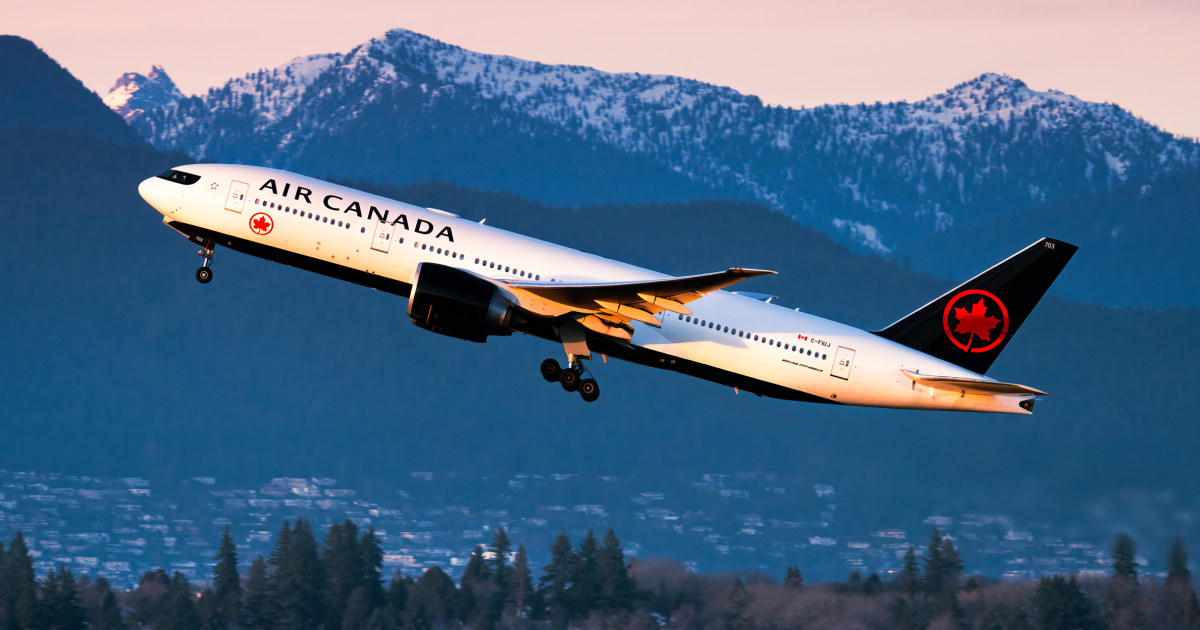
Air Canada Express, which is operated by a regional carrier under the Air Canada brand, said it was providing full support to investigators and extending assistance to the families of the two pilots who were killed. The airline declined to comment on the specifics of the air traffic control investigation.
The incident has reignited debate about the state of the nation's air traffic control infrastructure. The FAA has acknowledged that it is short roughly 3,000 controllers nationwide compared to its own staffing targets, a deficit that has grown over the past decade as experienced controllers retire faster than replacements can be trained.
Passengers aboard the Air Canada flight who survived the collision described a moment of terror as the aircraft struck the vehicle on the runway. Several were hospitalized with injuries, though none were reported to be life-threatening. The fire truck operator also survived and has been interviewed by investigators.