Trump Threatens to Bomb Iran's Bridges and Power Plants in Explosive New Posts
The president's early morning social media threats sent shockwaves through diplomatic channels and rattled financial markets globally.
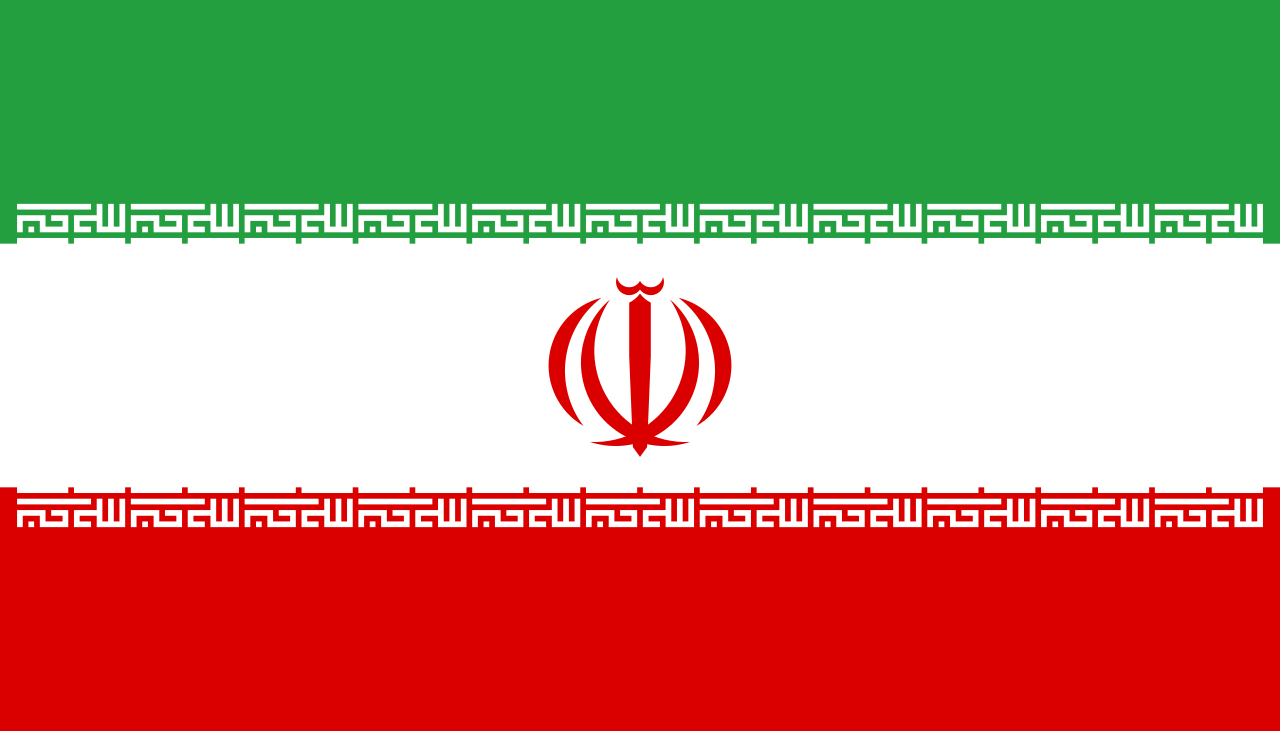
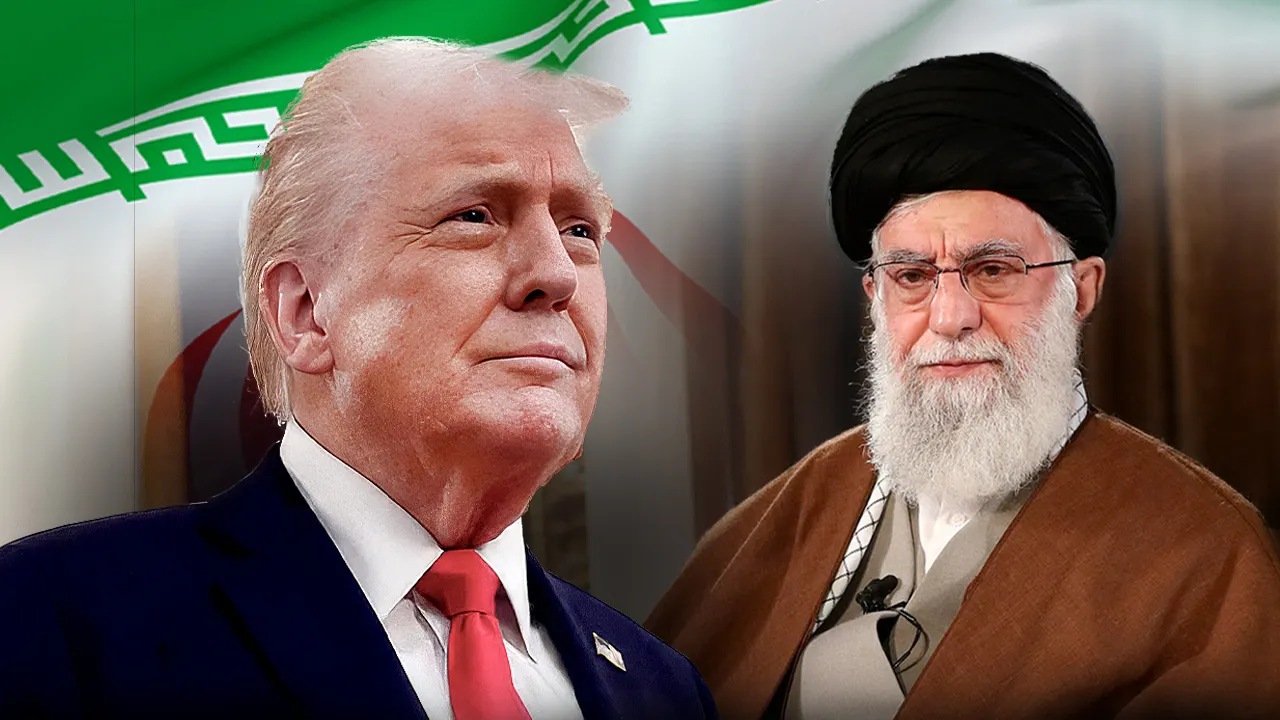
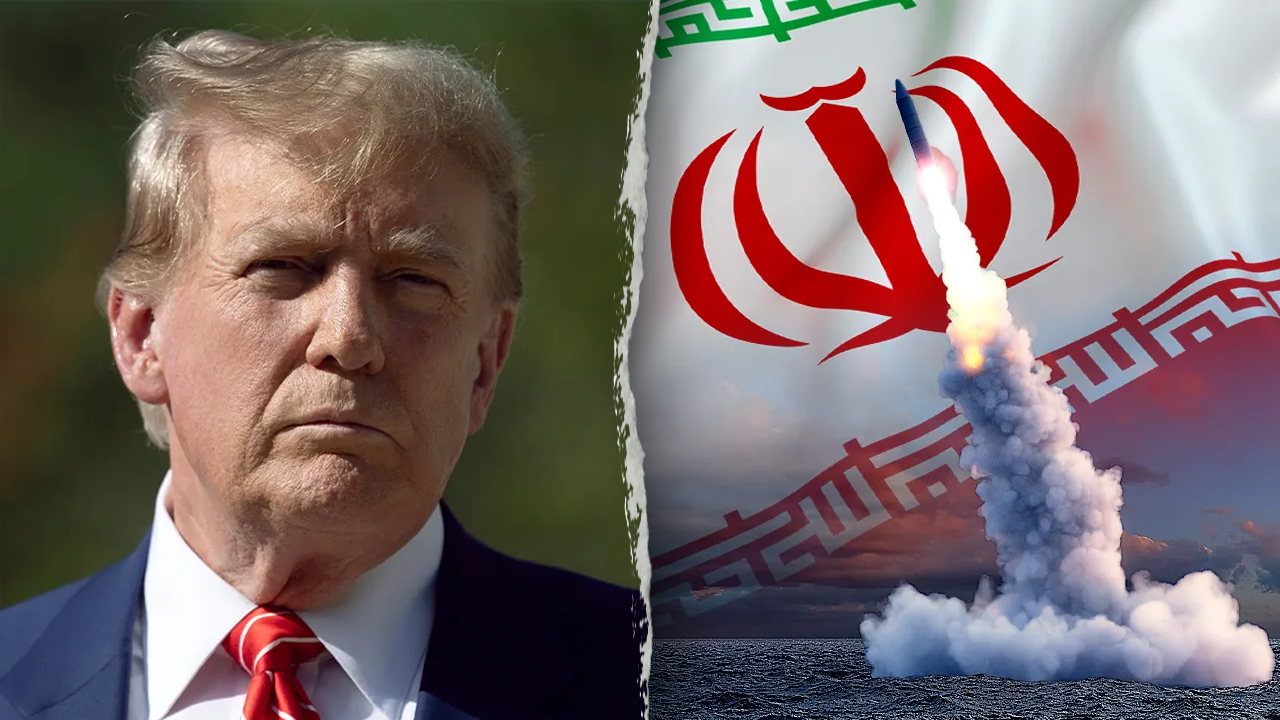
President Trump threatened on Sunday, April 20, to destroy Iran's bridges and power plants if Iranian officials failed to agree to a ceasefire by the following Wednesday, posting on Truth Social that military action could begin "immediately" against civilian infrastructure targets if Tehran did not come to terms within the 72-hour deadline he set. The post marked a significant escalation in Trump's rhetorical posture toward Iran and came as Vice President JD Vance and special envoy Steve Witkoff were preparing to travel to Pakistan to use Islamabad as an intermediary for diplomatic communications with Tehran, since the United States and Iran lack direct diplomatic channels.
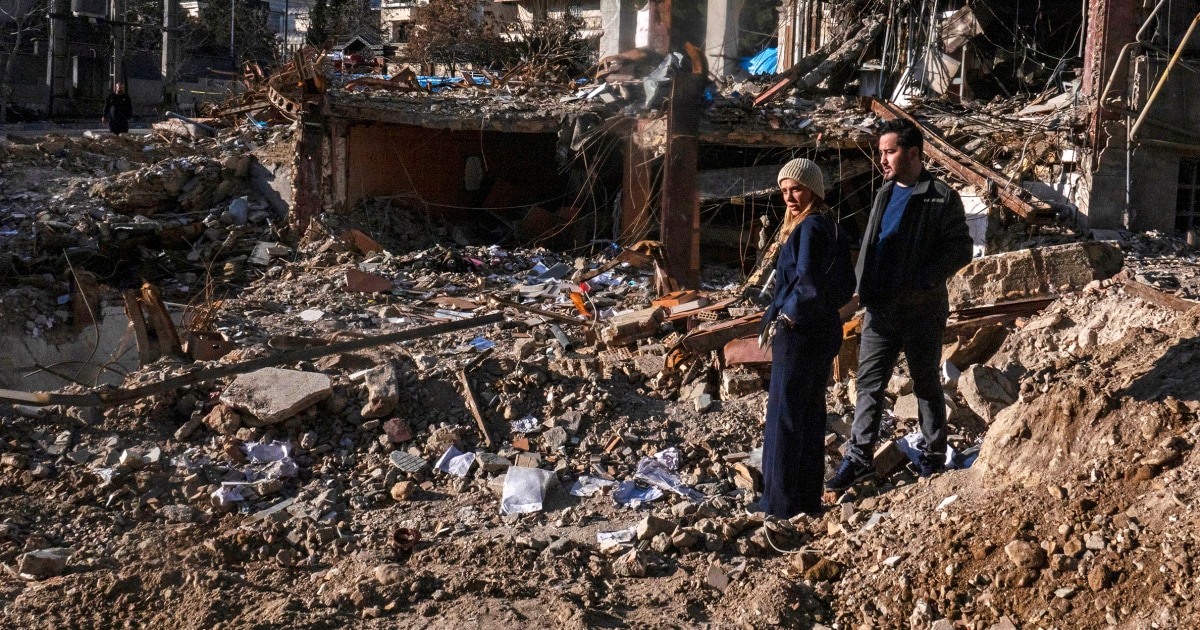
The explicit naming of bridges and power plants in the threat immediately drew attention from international humanitarian law experts, who noted that attacks on civilian infrastructure are governed by the laws of armed conflict and that deliberately targeting power generation and civilian transportation infrastructure serving non-military populations can constitute violations of the Fourth Geneva Convention and its additional protocols. The White House did not respond to questions about the legal review underlying the president's post. Trump administration officials have previously indicated that they view international humanitarian law frameworks as guidance rather than binding constraint and have suggested that deterrence arguments justify targeting infrastructure that funds or enables an adversary's war-making capacity even if it also serves civilian purposes.
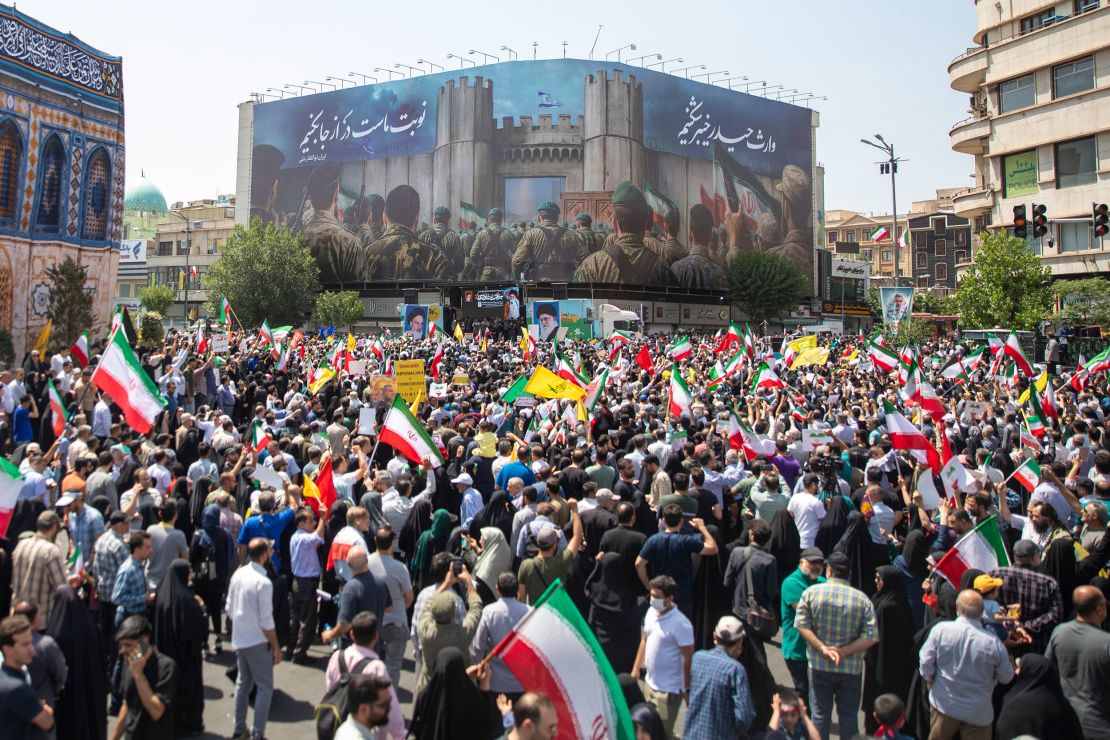
Iran's Foreign Ministry called the threat state terrorism and said it demonstrated that the United States was not a serious party to negotiations. European allies who had been quietly supportive of the U.S. diplomatic effort expressed alarm privately, with several NATO member foreign ministries issuing statements urging restraint and noting that strikes on civilian electrical infrastructure in particular raised humanitarian protection concerns given that hospitals, water treatment facilities, and other critical civilian systems depend on continuous power. The statements were diplomatically phrased but represented an unusual public divergence from U.S. policy framing by close allies.
The Wednesday deadline passed without the threatened military action being carried out, and a White House spokesperson said that diplomatic efforts were continuing and that "options remained on the table." Analysts said the episode followed a pattern from Trump's first term in which maximalist threats served as negotiating leverage rather than genuine operational plans, and noted that Iran appeared to have read it similarly — Iranian government media reported the passed deadline somewhat triumphantly as a demonstration that the threats were empty, which may complicate the credibility of future U.S. ultimatums.
Congressional leaders in both parties called for briefings on the administration's Iran strategy. Senate Foreign Relations Committee Chairman Jim Risch said he wanted to understand the military planning underpinning any stated threats against Iranian infrastructure. Defense Secretary officials said military planning for multiple contingencies was ongoing but declined to characterize the status of specific strike options.