Jeffrey Epstein Secured Sacred Islamic Artifacts From Mecca for Private Island 'Mosque'
Newly revealed messages show how convicted sex offender used connections to obtain holy tapestries for unusual building on his property.
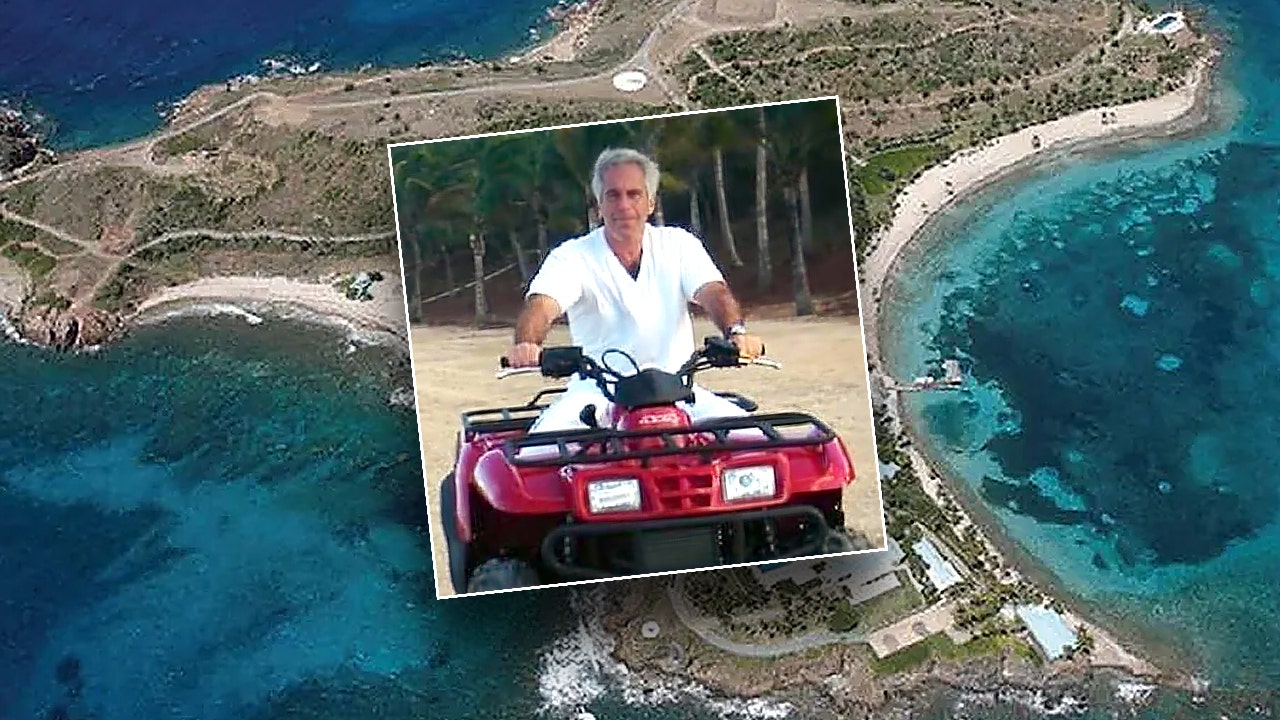
Newly released messages reveal that convicted sex offender Jeffrey Epstein used his extensive network of connections to obtain sacred Islamic artifacts from Mecca for a mosque-like structure on his private island, raising disturbing questions about how someone with his criminal background gained access to some of Islam's most revered religious objects. The communications, which have come to light through ongoing legal proceedings related to Epstein's estate, show the financier actively sought and successfully acquired tapestries and other religious items from Islam's holiest site for what he described as a mosque on Little Saint James, his private Caribbean island.
The messages detail Epstein's efforts to secure kiswa, the sacred cloth covering that drapes the Kaaba in Mecca's Grand Mosque, along with other religious tapestries typically reserved for the most sacred spaces in Islam. These items are considered among the holiest objects in the Islamic faith, and their acquisition by someone outside the religion, particularly someone with Epstein's criminal history, represents a significant violation of religious protocol. The documents suggest Epstein leveraged relationships with wealthy Middle Eastern contacts to bypass normal religious and cultural safeguards that protect such artifacts.
The unusual building on Epstein's island has long puzzled investigators and visitors, appearing to be designed in an Islamic architectural style complete with a distinctive blue and white striped dome. The structure, which Epstein reportedly referred to as his "mosque," now appears to have housed authentic Islamic religious artifacts obtained through questionable means. The building's true purpose remains unclear, though investigators have noted its prominence on the island and its distinctive appearance in aerial photographs.
Islamic religious authorities and scholars have expressed outrage at the revelations, describing Epstein's acquisition and use of sacred objects as deeply offensive and contrary to Islamic law and tradition. "The idea that such sacred items could end up in the hands of someone like Epstein is deeply troubling and represents a profound disrespect for our faith," said Dr. Ahmed Hassan, a scholar of Islamic law at Georgetown University. The controversy highlights broader questions about how religious artifacts can be protected from inappropriate acquisition and misuse.
The discovery adds another disturbing dimension to the ongoing investigations into Epstein's activities and raises questions about the full extent of his international connections. Federal investigators continue to examine Epstein's global network and the various ways he used his wealth and influence to gain access to exclusive circles and protected resources. The case underscores the need for stronger protections for religious artifacts and highlights how wealth and connections can sometimes override cultural and religious safeguards designed to protect sacred objects.