Israel Votes Tuesday in the Election Many Call the Most Pivotal in Its History
Netanyahu, Israel's longest-serving prime minister, faces former military chief Gadi Eisenkot in the first vote since the Gaza war, and polls show neither man has a clear path to a majority.
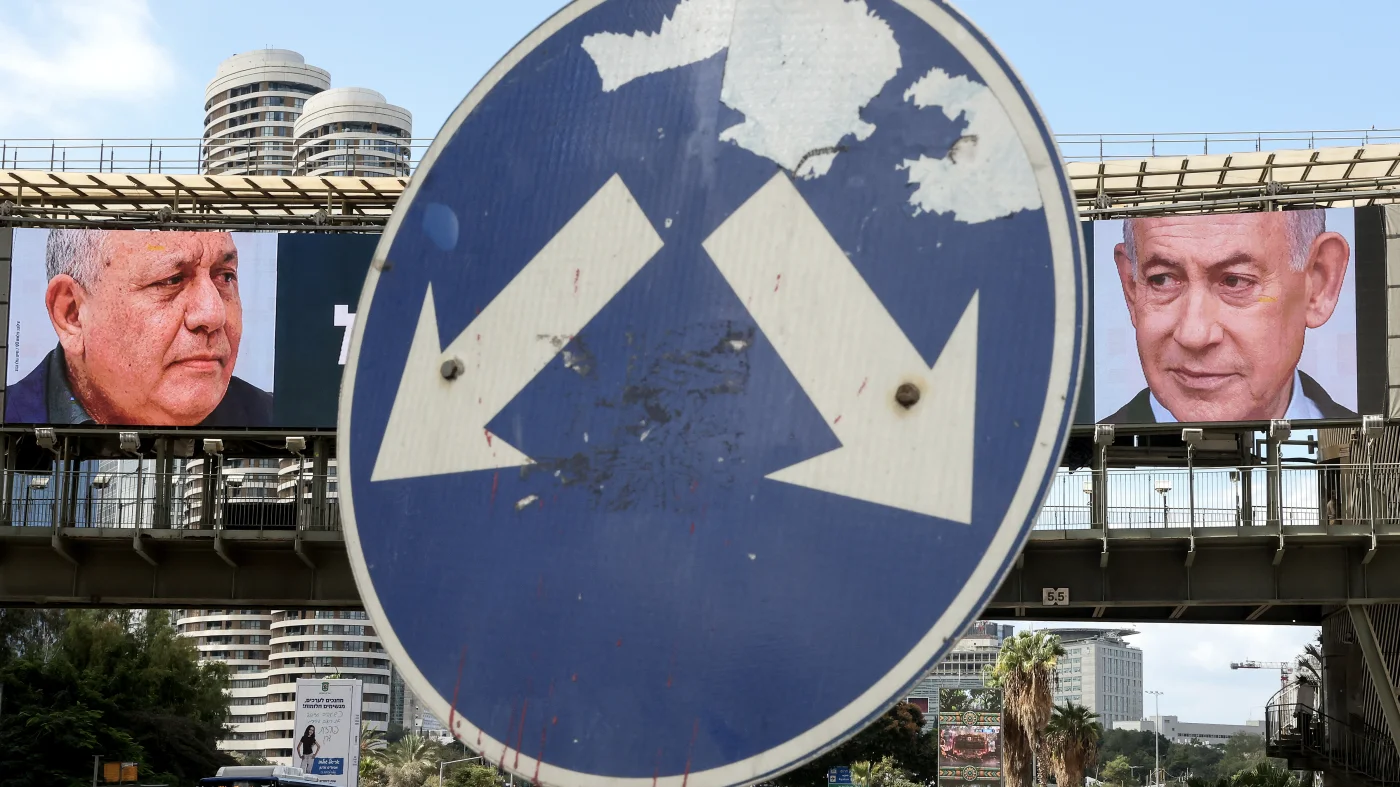
TEL AVIV, Israel — Israelis go to the polls on Tuesday in an election that many of them describe as the most consequential in the country's history, and the outcome is too close to call.
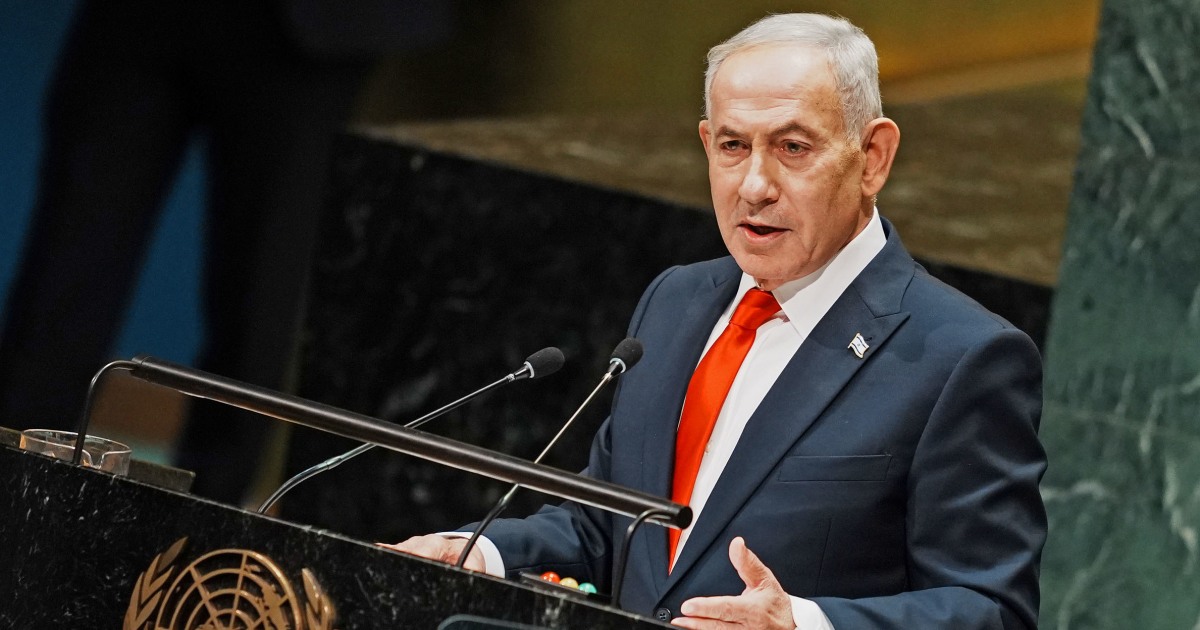
The vote is the first since the Hamas attack of Oct. 7, 2023, and the years of war that followed. Prime Minister Benjamin Netanyahu, who has served more than 19 years in total and is Israel's longest-serving leader, is asking voters to keep him in office to continue wars aimed at reshaping the Middle East. His main challenger is Gadi Eisenkot, a former military chief of staff whom Netanyahu himself appointed a decade ago, and who leads a center-right opposition promising more diplomacy and less extremism.
Most polls show Eisenkot's camp ahead of Netanyahu's camp, but the same polls show that neither man has a clear route to a governing majority. The race could turn on a small number of votes, or it could end in a stalemate that forces a repeat election next spring. In that case Netanyahu would remain in power without a fresh mandate, but with full authority over decisions such as going to war. Netanyahu has told voters that if he wins, he will partner with the United States on a new attack on Iran.
A central obstacle for the opposition is arithmetic. Polls suggest opposition parties would win comfortably if they were willing to share power with Arab parties that represent Israel's Arab citizens, but they have said they will not. Amos Harel, a defense analyst for the newspaper Haaretz, said Netanyahu has managed to build a consensus among Israelis that Arab parties are illegitimate partners, which he called "quite amazing" given Netanyahu's political weakness.
Eisenkot lost a son, a soldier killed in Gaza, and a nephew who died fighting there a day later. He has promised that his first act as prime minister would be to launch an official national investigation into the security failure of Oct. 7, something Netanyahu has refused to do. He has also pledged to crack down on settler expansion and violence against Palestinians in the West Bank. But he says Israeli troops would not leave Lebanon or Gaza soon, and he has avoided endorsing a two-state solution, saying Israel should preserve future possibilities.
Hamas killed nearly 1,200 people on Oct. 7 and took 251 hostages. Netanyahu denies he was warned in advance and has never accepted responsibility for the failure. Harel said Netanyahu's strategy was "to shift the blame" to the security services and the military. Israel's response has killed more than 74,000 Palestinians and left most of Gaza destroyed. Israel is fighting charges of genocide, and Netanyahu faces an international arrest warrant for alleged war crimes. Nearly 19,000 Israeli soldiers have been newly diagnosed with post-traumatic stress disorder or related illnesses.
The campaign closed against a backdrop of fresh violence. After gunmen killed two Israeli soldiers at a West Bank checkpoint near Hebron, Netanyahu vowed an operation on a scale not seen since the Six Day War, and troops began bulldozing homes in the area.
Israel does not allow absentee voting, so tens of thousands of expatriates are flying home to cast ballots. Shoula Romano-Horing, a lawyer who flew in from Kansas City, Missouri, said she is voting for Netanyahu "to make Israel so secure and so safe." Yochai Ben-Haim, who works in renewable energy in California and is flying home for 36 hours to vote, said the government is led by extremists who do not represent Israelis.
Kati and Meir Zohar, whose 23-year-old daughter Bar was killed at the Nova music festival, said they hope Tuesday brings a reckoning. "It's a hope that something will change," Kati Zohar said.