60 Minutes: U.S. Sent 25,000 Deportees to Third Countries, Some Then Forced Home Anyway
A five-month CBS investigation found a Ghana-bound flight whose passengers were largely sent on to countries where U.S. judges had barred their return.
Nearly one million people were deported from the United States in the first year and a half of President Donald Trump's second term, and about 25,000 of them were sent somewhere other than their home country, according to a five-month investigation by CBS News' 60 Minutes. Some of those deportees ended up in countries where U.S. immigration judges had found they would likely be persecuted or tortured.
Third-country removals are legal and earlier administrations used them, but not at this scale. The program sends people to dozens of countries that receive millions of dollars in aid or other benefits in return. Iranians, for example, were sent to Panama.
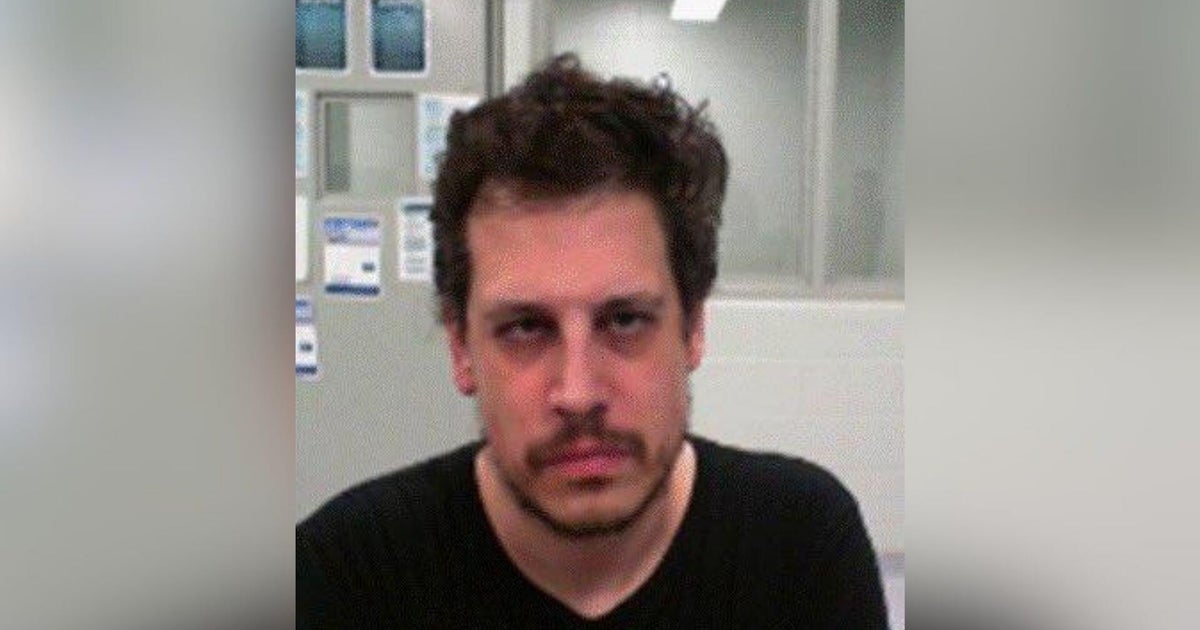
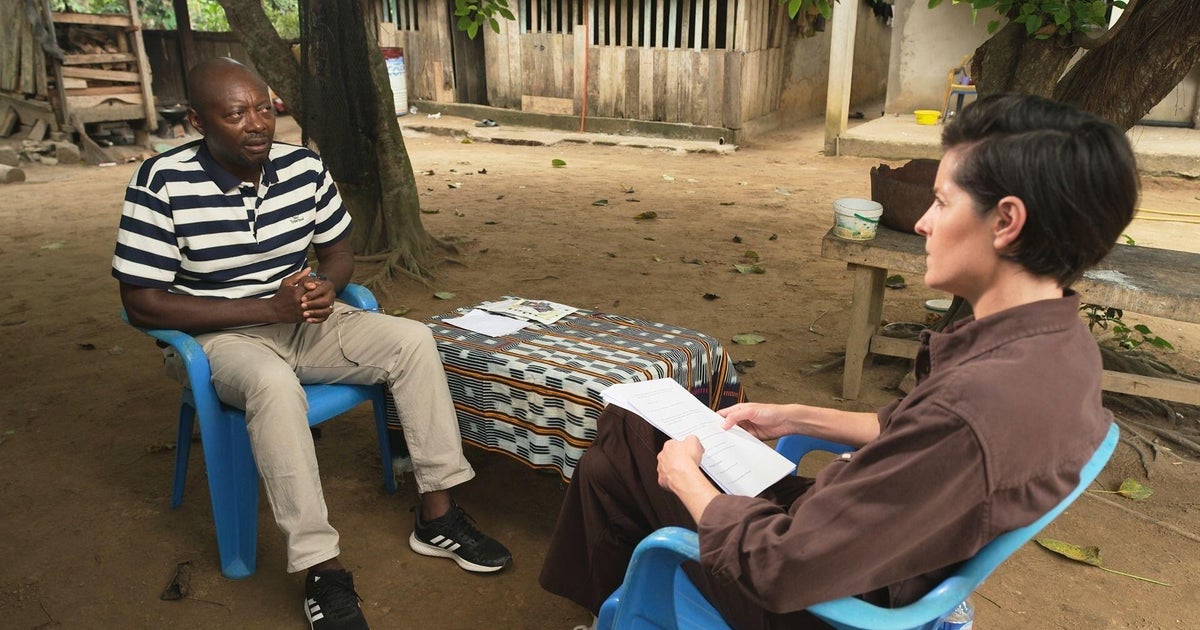
The investigation focused on Moussa Diawara, 57, who has lived in the United States for 25 years with no criminal record. He overstayed a tourist visa and applied for refugee protection, arguing he would be persecuted in his native Mali. In 2012 an immigration judge ruled he could be deported, but not to Mali, a protection known as withholding of removal. That ruling let him get a work permit, drive for Uber and raise two U.S.-citizen children with his wife, a registered nurse, in the Houston suburbs.
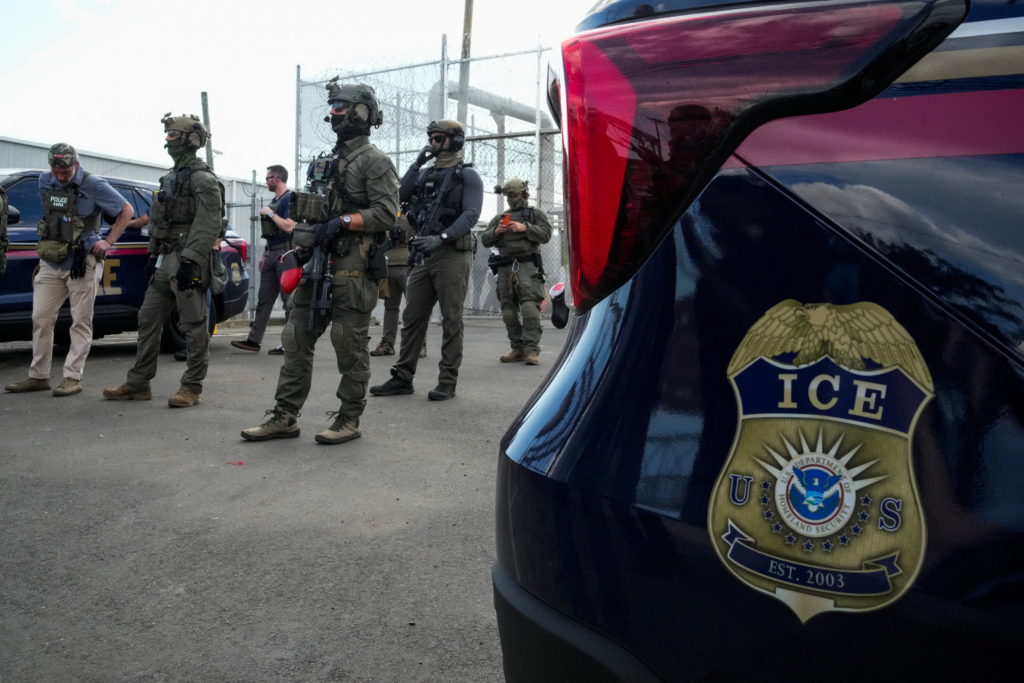
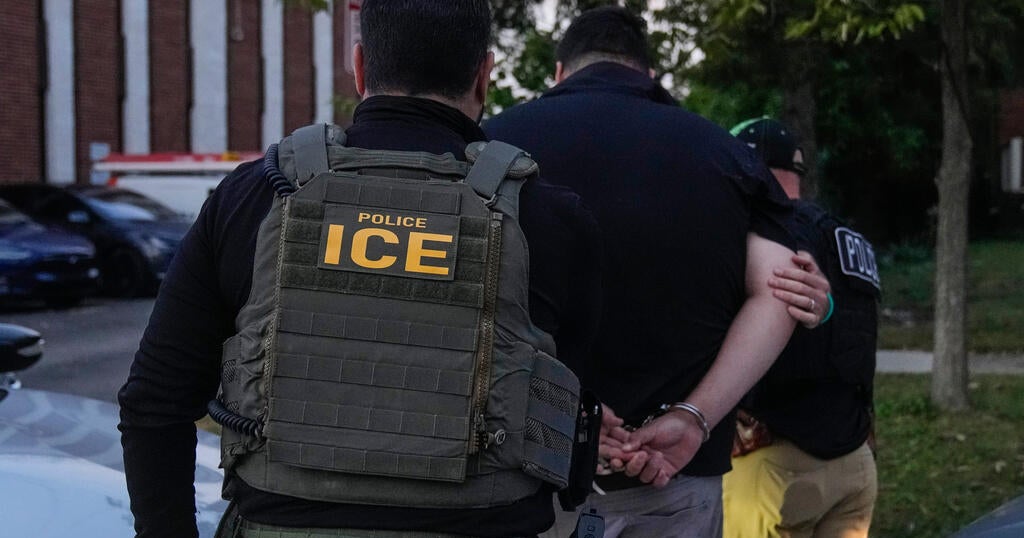
On July 11, Immigration and Customs Enforcement agents were waiting at his home when he finished a night shift. After three weeks in detention in Texas, during which he says he could not speak to his lawyer or a judge, he was flown to Ghana, a country he had never visited. He says he and others were held in a hotel by armed guards and were not allowed to make phone calls. "I tell them, 'This is kidnapping,'" he told 60 Minutes. Within five days, he says, Ghanaian officials put him on a flight to Mali, the very country a U.S. judge had said he could not be sent to.
60 Minutes obtained the names of all 63 people on Diawara's flight, which left Texas on July 30 and stopped in Sierra Leone, the Central African Republic and Ghana. Of 19 passengers reporters reached who were sent to Ghana, 17 said Ghana quickly moved them, against their will, to countries U.S. judges had ruled they should not be returned to. Only 19% of the 63 had a criminal charge or conviction, including theft, assault, drug and weapons offenses. The rest had traffic violations or no criminal record. Diawara, who converted to Christianity, said he hid in Mali, a Muslim-majority country facing an Islamist insurgency, before escaping to another African country.
James Percival, the top lawyer at the Department of Homeland Security, defended the program, saying it "stopped crimes from happening and kept Americans safer." He said some deportees may have consented to go home, or that Ghana applied its own procedures. He could not say what share of those deported are violent offenders. DHS said Ghana had given "diplomatic assurances" for Diawara's safety and called a medication form that listed his flight as a special high-risk charter a "clerical error." Ghana's government declined to comment.
Immigration attorney Meredyth Yoon said the government was warned about Ghana's conduct in a lawsuit last year but still sent 10 more flights. A court upheld a class-action ruling that found the third-country policy unlawful because it denied deportees due process, but the Supreme Court has allowed the deportations to continue until it hears the case in December. Diawara's lawyer has asked a federal judge in Washington to order him returned.